
The study of a radiator

Sorted now. All the valves in my traction control system were fully or partially seized from infrequent use. I don't use brakes much when I drive. The fix is using super magnets from old hard drive to drag the valve stems about to free up the valves. The only cleaning agent needed is a very small amount of fresh brake fluid. A plastic pipette produces just enough pressure to push and pull the cleaning fluid inside the hydraulic block - the object in the above video.

The outlet valve to my front right wheel was fully seized in the closed position, preventing both fluid and pressure going to the wheel. While fixing that valve, I went and fixed all of the rest. The valves should click crisply when activated by magnet. None of mine clicked. Slowly, they went from no click, to dull click, to crispy click.

Super magnets that could take out a finger:
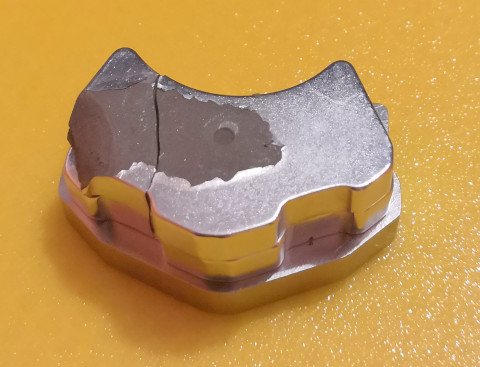
magnet.jpg


Wrap magnets in rag to control power and reduce impact damage:
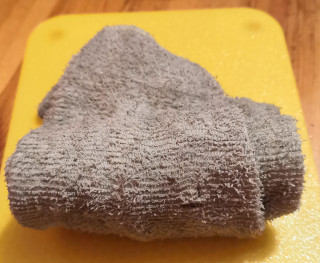
warp.jpg
 
Here's someone's attempt to fix a valve. I will do that first before trying other options. Brake fluid is a cleaning solution and can be used for dissolving a weak clog by applying it from the blocked and dry side. I will use strong magnets to try shifting the valve stem.


Are you as meticulous about changing your brake fluid as you are about changing your engine oil?
 
Are you as meticulous about changing your brake fluid as you are about changing your engine oil?
Yes, you read me like a book. ATE SL.6 is a poor substitute for the dealer stuff. I wonder who the OEM was? I wouldn't mind getting some of that. But my current large jug of SL.6 could take a long time to get rid of. I already paid, and might as well use it. I think it has poor compatibility with the ATE rubber o-rings.
 
Yes, you read me like a book. ATE SL.6 is a poor substitute for the dealer stuff. I wonder who the OEM was? I wouldn't mind getting some of that. But my current large jug of SL.6 could take a long time to get rid of. I already paid, and might as well use it. I think it has poor compatibility with the ATE rubber o-rings.

It's DOT 4 brake fluid made by a company called ATE. It's up to you how much of the rest of the manufacturer's hype you want to fall for! If you still have the handbook for the car, it's likely to have recommended lubricants and fluids in it - "Castrol", "Total", "Girling", etc). Might also be on the lube sticker under the bonnet. However, with many older cars, you can't get the "factory fill" stuff any more anyway.

I'd rather use the cheapest brake fluid (of the correct DOT rating) and change it every couple of years, than use the best and neglect it for a decade. I've never had a minute's bother from the 37 year old ABS pump on my car, but I do:

(a) try to hit the brakes hard enough to get an ABS intervention at least twice a year, so that the valves move and the fluid sat in the valve block gets a chance to circulate and

(b) change the fluid every couple of years so I don't get too much moisture build-up in the system and

(c) never buy brake fluid in bottles of more than a litre, so that I'm not left with half a bottle on the shelf for several years, absorbing moisture.
 
you can't get the "factory fill" stuff any more anyway.
You can if you have the right buying skills. I don't want the factory fill. I want the stuff from the people who made the factory fill. The last factory bottle I had was 15 years ago. So will have to get another bottle at some point to see who the OEM is.

You do have bother with your ABS, but you just don't know it. I didn't know it either, but I know better now. The problem I see is rubber o-rings binding with surface it is in contact with. Some fluids clean too well and remove the lubricant the o-rings retain, and so the o-rings bind and get stuck from non-activity. Buying random fluid even if it meets spec does not guarantee it will work as well as truly compatible fluid with the right level and type of lubricants.

SL.6 cakes up from aging, but the factory fill doesn't. Their formulations are observable to be very different, even though both meet the same spec. The caking does get reversed by fresh fluid of the same type. It can act as a poor man's fluid quality detector instrument.
 
Last edited:
You can if you have the right buying skills. I don't want the factory fill. I want the stuff from the people who made the factory fill. The last factory bottle I had was 15 years ago. So will have to get another bottle at some point to see who the OEM is.

You do have bother with your ABS, but you just don't know it. I didn't know it either, but I know better now.

:ROFLMAO: :ROFLMAO: :ROFLMAO: :ROFLMAO: :rolleyes:

Thanks for that sage advice...

You remind me of the lad at school when we were all just passing our driving tests. He managed to crash his dad's car into the school wall one day, and then, instead of dying of shame, went strutting around telling us all how he was a more experienced driver than any of us, because none of us had been involved in a crash...

Anyway, best get back to my "troublesome" ABS...:ROFLMAO:
 
Anyway, best get back to my "troublesome" ABS...:ROFLMAO:
You are mistaking a heads up for a car crash. Never mind, there is no helping some people. You use your ABS twice a year. Rest of the year, they are stuck at the same place.
 
Back
Top