
Patio drainage

Joined
19 Dec 2019
Messages
24
Reaction score
1
Country
United Kingdom
Hi all,

I'm looking into replacing this patio for a new patio that fits just below the door sill (raised by 150mm from current height) so there's little to no step from inside to outside. This would mean that the new patio would be at dpc level. Could I use ACO dainage to overcome this problem? If so would i need the ACO to be at least 150mm deep? Also how could I configure the ACO drainage so it drains to the gulley shown in the photo.

Any advice would help.
Many thanks
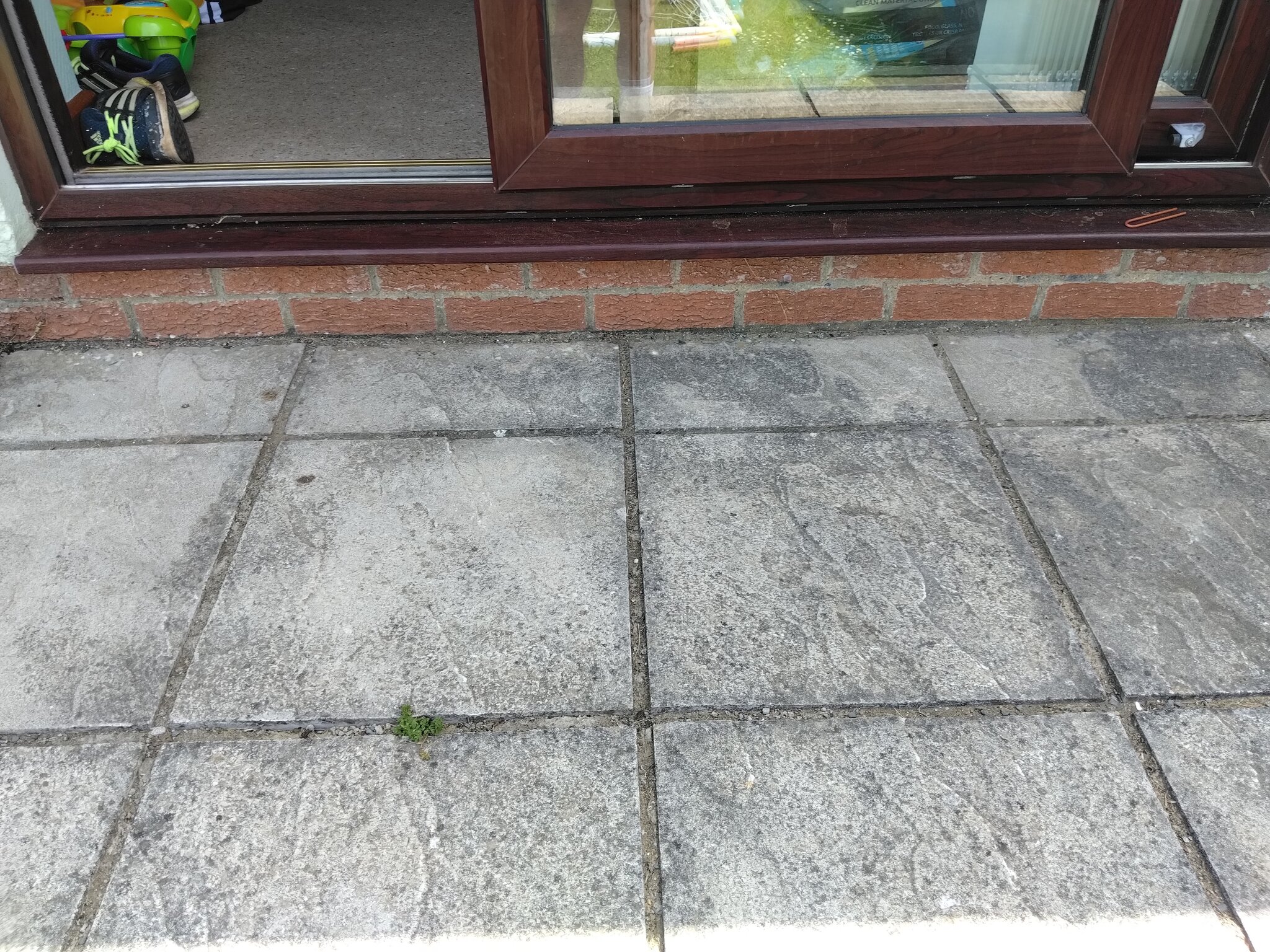
15194.jpg
14810.jpg
 
To make sure water won't penetrate the dpc I was going to use bitumen adhesive strip on the red brick behind the ACO, slightly overlapping the dpc. Any thoughts?
 
Yes that would probably be ok and this is not a criticism but it puzzles me why people of late don't want to have a step down onto a patio when you are going to have to step over the door threshold anyway.
 
I get what you saying. It's more of an aesthetic thing as well as reducing the number of tripping hazards for my young children. Any advice on how I can drain the water from the ACO to the gulley that potentially hides most of the pipe work?
 
Looking at the existing brick courses under the door it doesn't look like you have a problem with water pooling by the door, no green algae forming. So if you keep the same levels and fall away from the door I wouldn't think you will need a gully fitting.
Having said that I don't know if that elevation is the weather side or well sheltered from the elements
 
Hi all,

I'm looking into replacing this patio for a new patio that fits just below the door sill (raised by 150mm from current height space waves) so there's little to no step from inside to outside. This would mean that the new patio would be at dpc level. Could I use ACO dainage to overcome this problem? If so would i need the ACO to be at least 150mm deep? Also how could I configure the ACO drainage so it drains to the gulley shown in the photo.

Any advice would help.
Many thanks
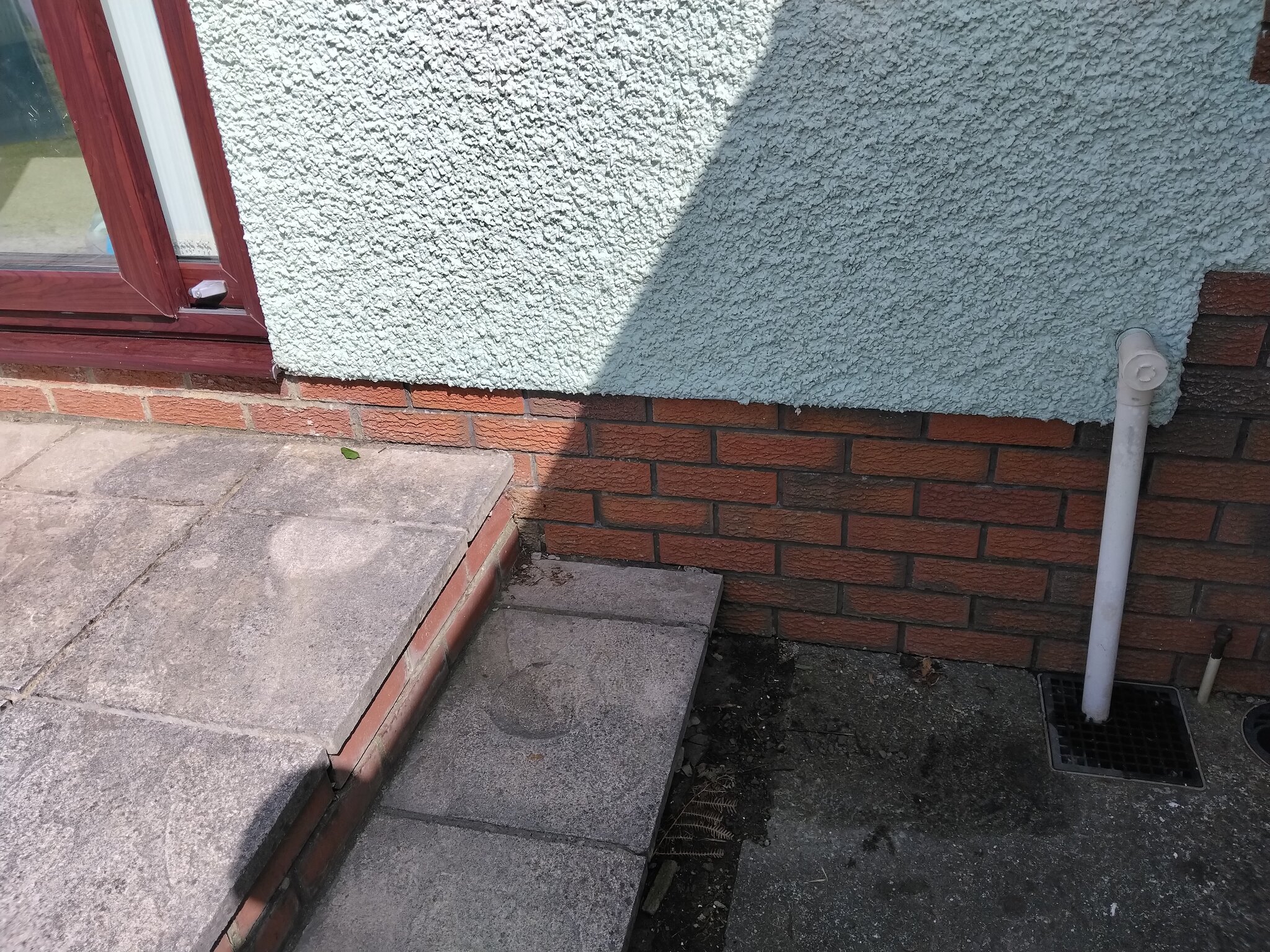
View attachment 417559View attachment 417560
I'd be careful about bringing the patio up to DPC level. An ACO drain may help with surface water, but you'll also need to make sure it can discharge properly into the existing gully with enough fall. What's the difference in height between the current patio and the door threshold?
 
Needs to be 150mm below DPC to satisfy building regs. An eagle eyed surveyor may raise this when you want to sell the house one day.

However, there are practical ways to do this so its neat and works. Main thing is to not bridge the DPC, I have put patio steps up under a door cill before and had a gap behind the steps, its not noticable.

The question has been done to death on other threads. This link may help you a bit: https://www.pavingexpert.com/threshold01
 
Where would you drain the water in the ACO?
I didn't think you would need one if you kept the patio at the current level. If you do raise it and fit an Aco you would need to drop it down through the step and join into the gully underground.
 
Last edited:
Needs to be 150mm below DPC to satisfy building regs. An eagle eyed surveyor may raise this when you want to sell the house one day.
Really? There seems to be an awful lot of people running patios into existing internal floors at the same level. It seems fraught with potential problems but it seems to be the fashion at the moment.
 
It is relaxed at door thresholds, esp with many new houses needing step free access, and yes it is a trend. Hence the need for a proper slot drain there and fall away ideally. At the door threshold any rain splashback will just meet the door which is hopefully weatherproof. Against walls elsewhere, best to stick to 150mm below the DPC
 

If you need to find a tradesperson to get your job done, please try our local search below, or if you are doing it yourself you can find suppliers local to you.

Select the supplier or trade you require, enter your location to begin your search.


Are you a trade or supplier? You can create your listing free at DIYnot Local

 
Back
Top