

Hi All.
I just had an extension finished back in April this year, all of a sudden in the last 2 months I am seeing cracks appearing all over the place. The extension is a side and rear extension, the side extension is a timber frame building much like a loft, and the rear extension is brick.
Works passed by local authority building control.
I do get the fact that buildings move, but I would like to ask these questions because of next time, what could have been done during construction to minimise/reduce these cracks.
Things like, for example doubling up on the number of lateral restraints, so where it ought to be 10, can one use say 20 ? Will these reduce the effect of these cracks, could it also be due to weather fluctuations, the timber was swollen in winter when most of the construction happened, and now its summer, timber dried. I don't know, I am just coming up with my theories.
Does this also happen in brick built extensions ? I say this as I do not like the disruption decorating causes, you think once you have painted a house once, the last thing you want to be doing is patching everywhere with cracks.
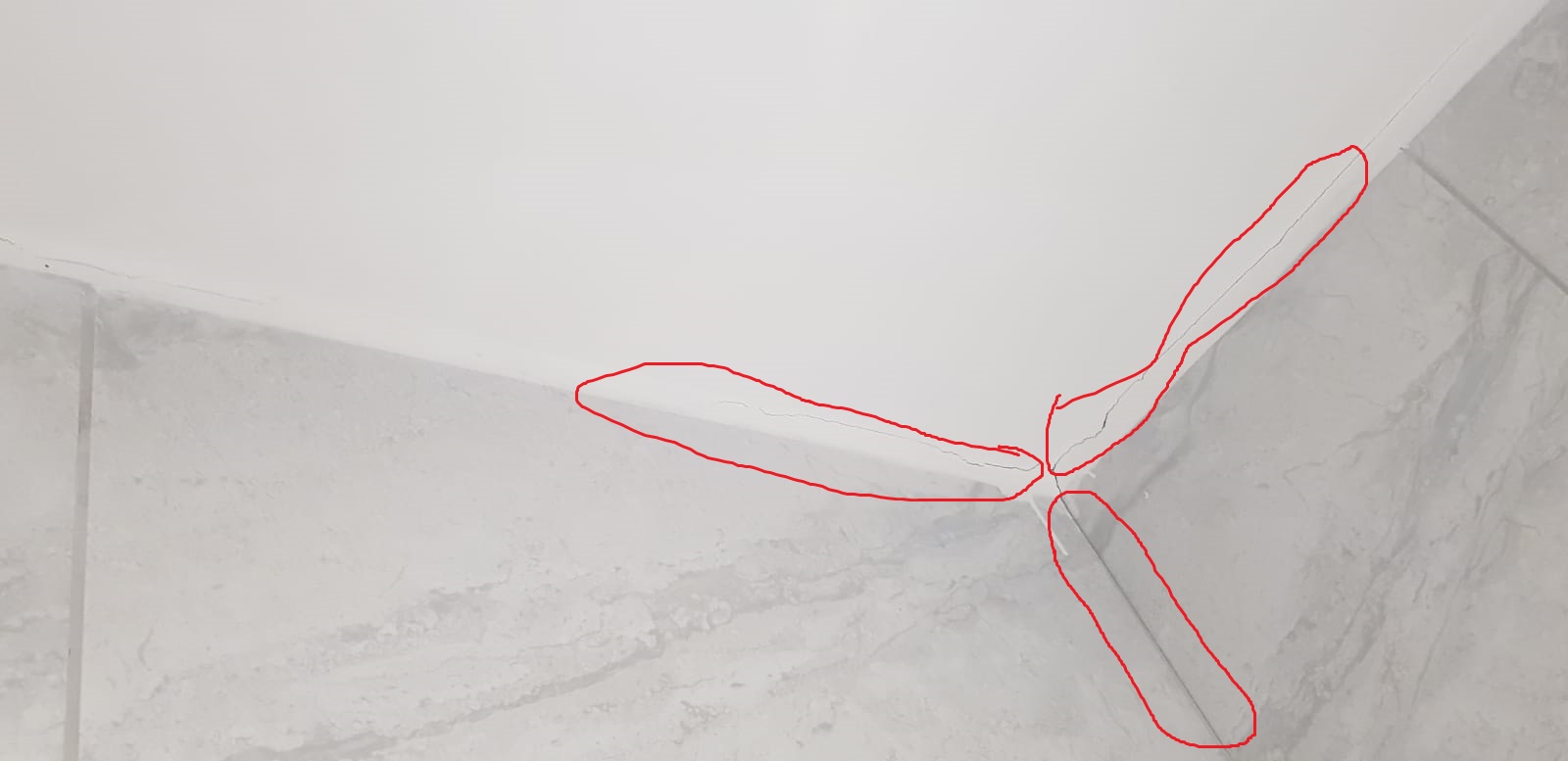
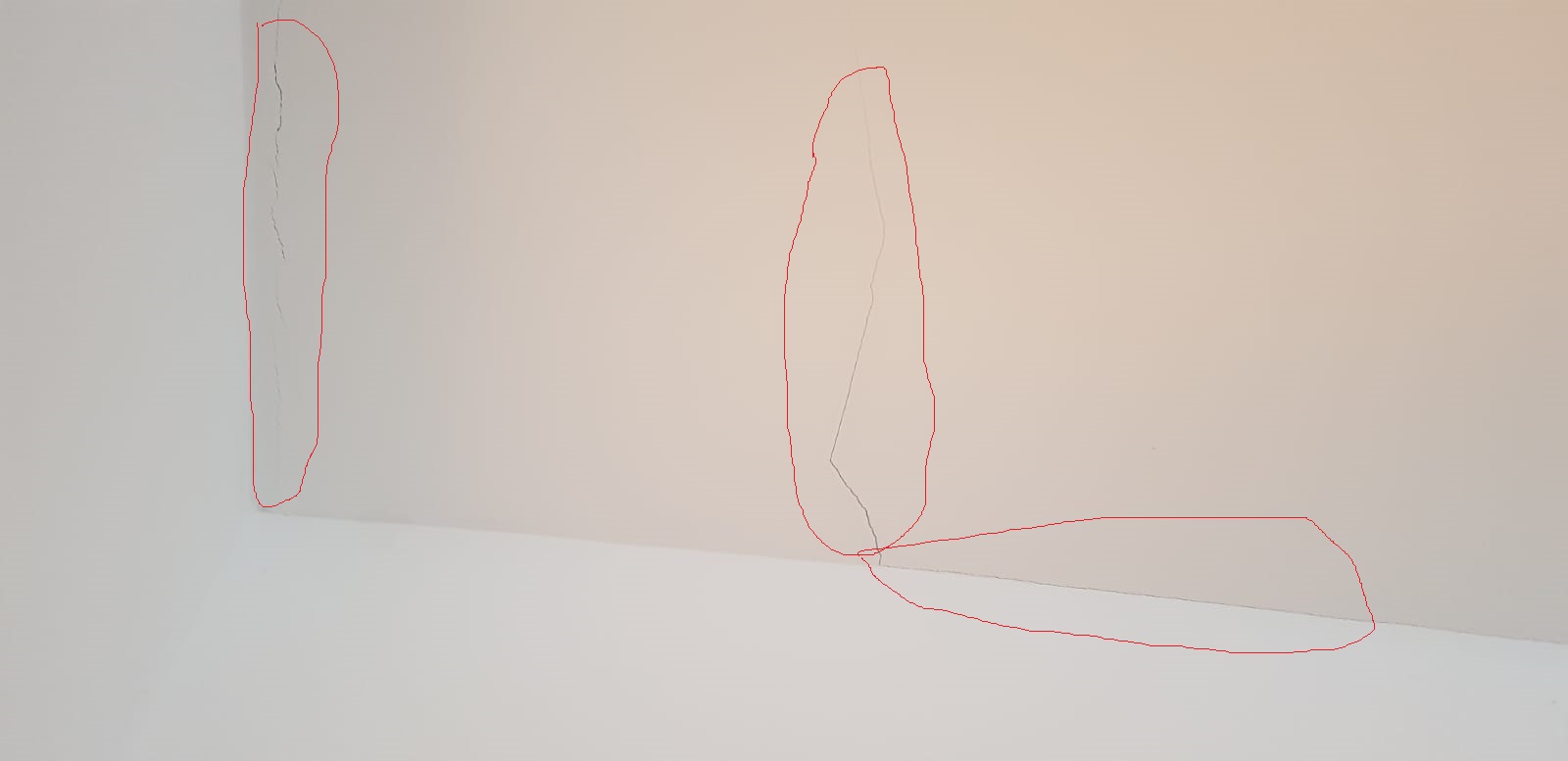
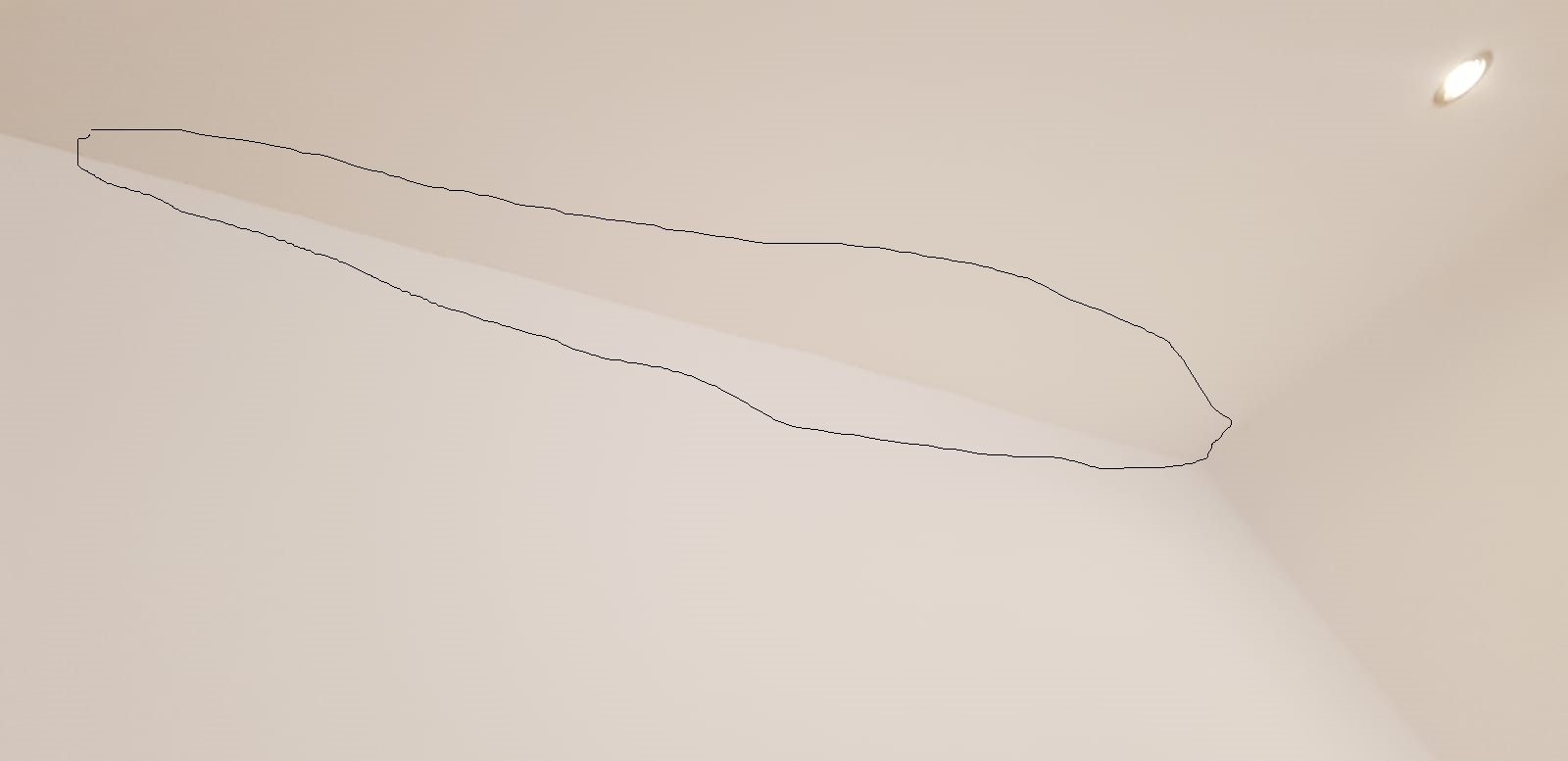
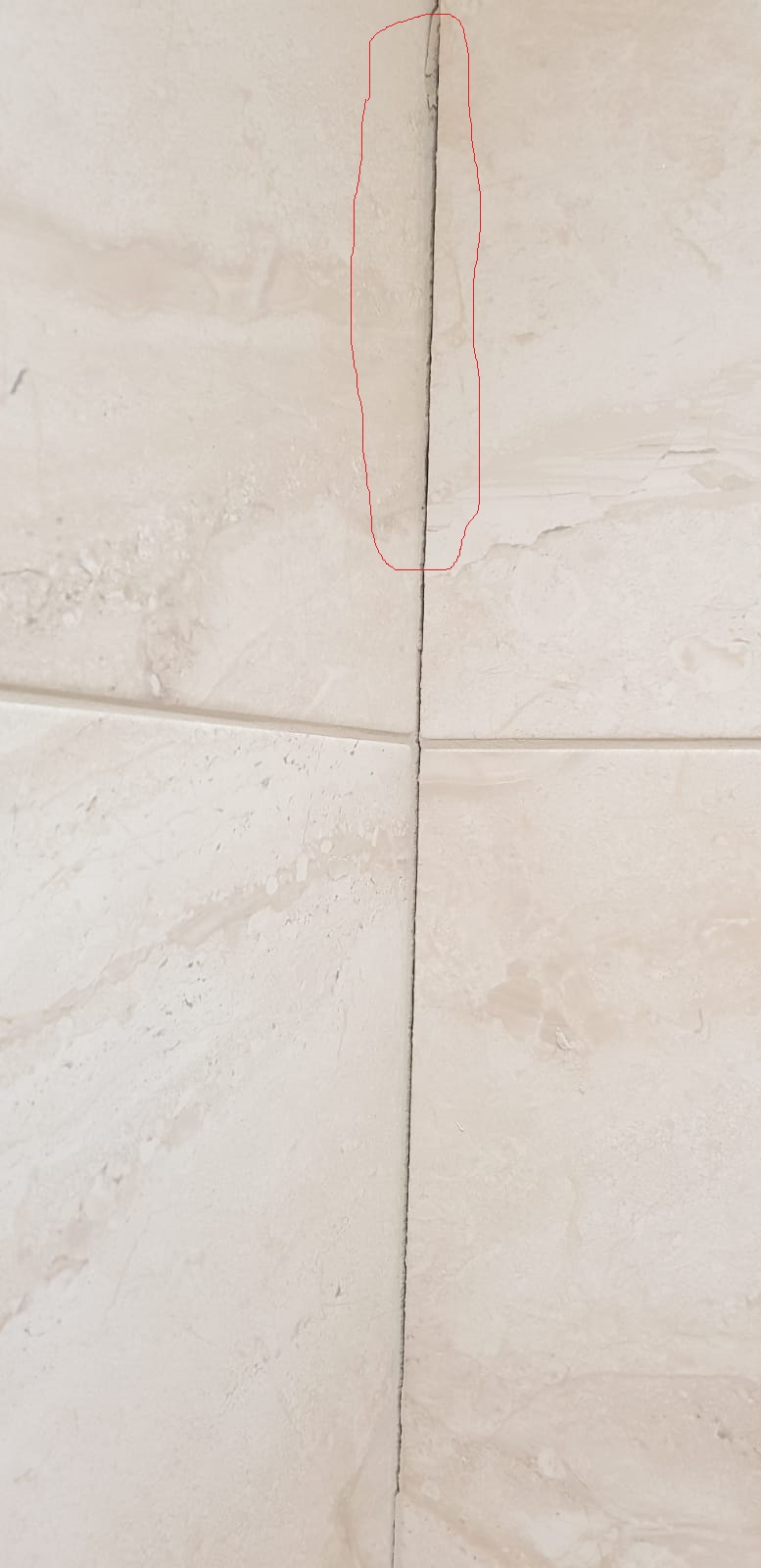
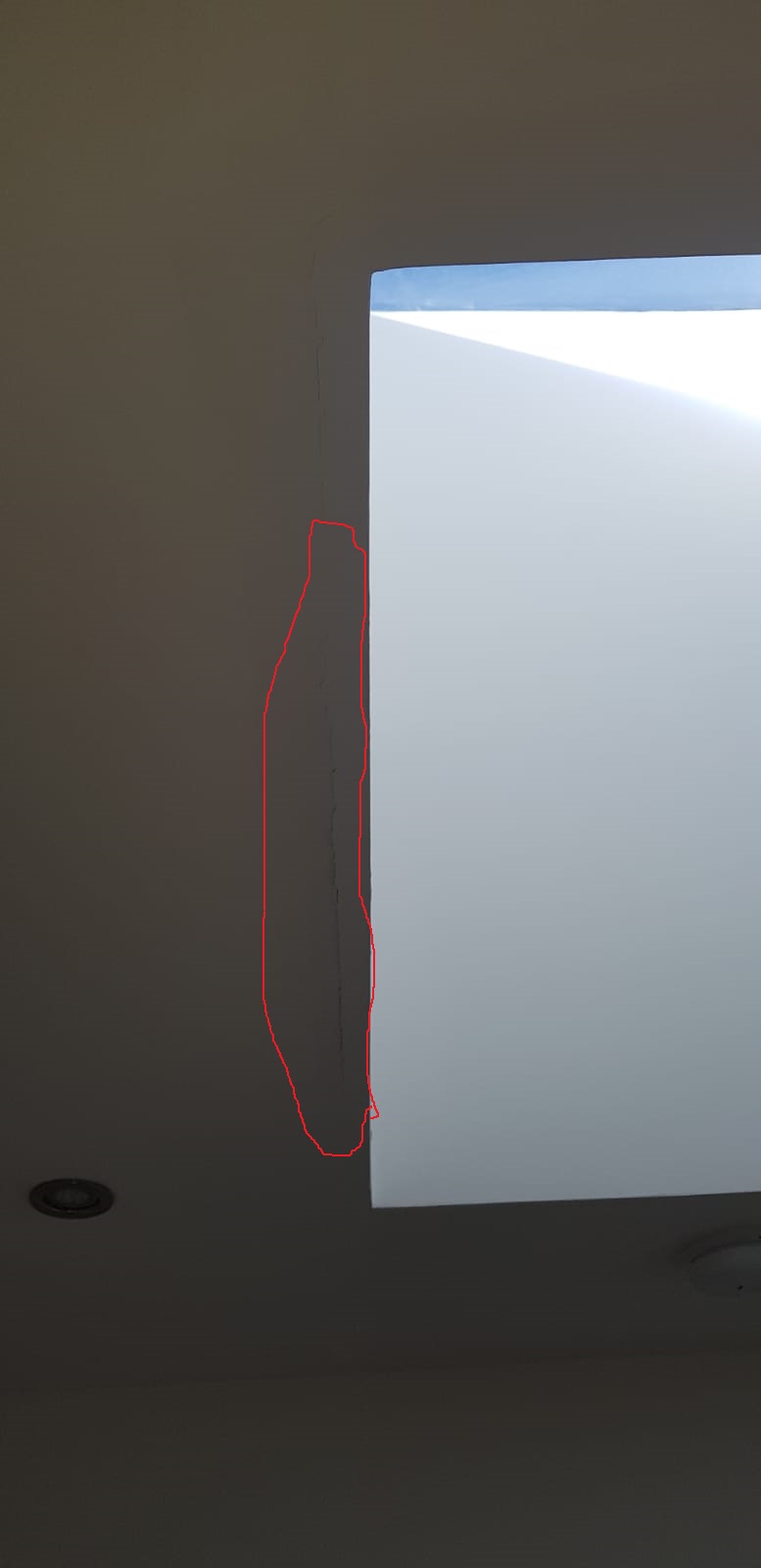
I just had an extension finished back in April this year, all of a sudden in the last 2 months I am seeing cracks appearing all over the place. The extension is a side and rear extension, the side extension is a timber frame building much like a loft, and the rear extension is brick.
Works passed by local authority building control.
I do get the fact that buildings move, but I would like to ask these questions because of next time, what could have been done during construction to minimise/reduce these cracks.
Things like, for example doubling up on the number of lateral restraints, so where it ought to be 10, can one use say 20 ? Will these reduce the effect of these cracks, could it also be due to weather fluctuations, the timber was swollen in winter when most of the construction happened, and now its summer, timber dried. I don't know, I am just coming up with my theories.
Does this also happen in brick built extensions ? I say this as I do not like the disruption decorating causes, you think once you have painted a house once, the last thing you want to be doing is patching everywhere with cracks.


