

- Joined
- 27 Jan 2008
- Messages
- 29,792
- Reaction score
- 3,694
- Location
- Llanfair Caereinion, Nr Welshpool
- Country

For emergancy light I have one of these,
 I really need some more, but they light for 4 hours after a power cut, and can be used to find other touches etc.
I inherited this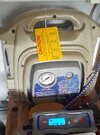 the inverter is only 300 watt, so of limited use, but the 15 Ah lead acid battery will power an up-lighter for quite some time, today we have these
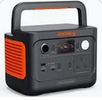 which do basic the same thing, it is called EPS rather than UPS (uninterruptible power supply) as its change over time is slightly longer, still less than a second.
Due to weight, in the main limited to around 3 kW in the portable form as shown, you can get a Tesla power wall etc, at 10 kWh, but they can't be put in the boot of your car, as to if 300 watt or 3 kW is required is down to what you want to run, the cheap freezers has a high start inrush, maybe 6 amps (1.4 kW) where the more expensive inverter control models may be around 200 watt, less than 1 amp when in defrost mode, rest of the time less than 100 watts.
I have solar panels, so my inverter is 5 kW and part of the solar install, with 6.4 kWh of battery, which will stop discharging at 10% so always 640 Wh how much more depends on time of day I get a power cut.
The old 12 volt to 230 inverter is only 150 watt, I made up a lead,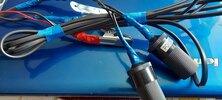 so I can use old car batteries to power anything using a cig lighter plug, hope I will never need it, but I have two old 90 Ah batteries which would keep me going some time.
The inverter generator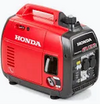 reasonable sound level, but needs to be outside, so first consideration is how to get power in the house,
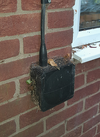
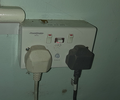 I have the same problem, even with an inverter, can't get the cables through the house internally, so done external. Under that window I have a box for mail, could put a generator or battery in a box like that, as it stands I can manage for around a day with no power in winter, and weeks in summer due to solar. I do have an open grate fire, which could be opened up, but having the central heating still working seems a better idea, which I have until battery goes flat.
But the main point is how far do you go just in case? Window cracked open with an extension lead into the house is likely good enough, with generator sitting outside. I have a gas camping stove, and one would hope any loss of power will not be for long.
I inherited this
the inverter is only 300 watt, so of limited use, but the 15 Ah lead acid battery will power an up-lighter for quite some time, today we have these which do basic the same thing, it is called EPS rather than UPS (uninterruptible power supply) as its change over time is slightly longer, still less than a second.Due to weight, in the main limited to around 3 kW in the portable form as shown, you can get a Tesla power wall etc, at 10 kWh, but they can't be put in the boot of your car, as to if 300 watt or 3 kW is required is down to what you want to run, the cheap freezers has a high start inrush, maybe 6 amps (1.4 kW) where the more expensive inverter control models may be around 200 watt, less than 1 amp when in defrost mode, rest of the time less than 100 watts.
I have solar panels, so my inverter is 5 kW and part of the solar install, with 6.4 kWh of battery, which will stop discharging at 10% so always 640 Wh how much more depends on time of day I get a power cut.
The old 12 volt to 230 inverter is only 150 watt, I made up a lead,
so I can use old car batteries to power anything using a cig lighter plug, hope I will never need it, but I have two old 90 Ah batteries which would keep me going some time.The inverter generator
reasonable sound level, but needs to be outside, so first consideration is how to get power in the house, I have the same problem, even with an inverter, can't get the cables through the house internally, so done external. Under that window I have a box for mail, could put a generator or battery in a box like that, as it stands I can manage for around a day with no power in winter, and weeks in summer due to solar. I do have an open grate fire, which could be opened up, but having the central heating still working seems a better idea, which I have until battery goes flat.But the main point is how far do you go just in case? Window cracked open with an extension lead into the house is likely good enough, with generator sitting outside. I have a gas camping stove, and one would hope any loss of power will not be for long.


