For a B40 MCB to trip the magnetic part, it needs 3 to 5 times that current. We also include 5% safety margin, so 230/200=1.15Ω times 95% = 1.10Ω which is less than 2Ω, so there is nothing in what you show that is a fault.
It does not really need to be so low if there is an RCD or RCBO
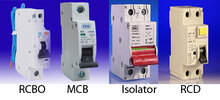
.
The meter used to test insulation resistance uses 500 volt DC, and it is unlikely to show 2Ω it would show 2MΩ, but the only thing it shows is
and to do that the circuit would need disconnecting at the consumer unit, as an MCB only switched the line, not the neutral, and the neutral is linked to earth, the whole home could be tested by turning off the Isolator, or part of home if there is an RCD, but to test just one circuit some RCBOs are double pole, but in the main it would need to open the consumer unit, and disconnect inside the unit to test.
It seems the installer does not know the difference between earth fault loop impedance and insulation resistance. Which is very worrying. I looked for
instructions clearly old as refers to IEE, and it has been IET for nearly 20 years. But does say
For new installations a 30mA Residual Current Device (RCD) must be incorporated into the electrical supply to the shower in accordance with the current wiring regulations. When replacing an existing electric shower we recommend that a 30mA RCD is incorporated in accordance with current wiring regulations if not already provided.
So what we would expect is the test details of the RCD, it should trip at 30 mA, and we would normally enter either the speed, and the current at which it tripped, mainly to show it had been tested.
Fact it refers to installation certificate and minor works certificate the certificate you show is clearly not a version of the minor works certificate, so you should have one of them as well.



