
Leaking waste pipes and foul smells

Joined
1 Jan 2010
Messages
244
Reaction score
24
Location
Yorkshire
Country
United Kingdom
Hello,

Hope the cognoscenti on DIYnot can help.

My daughter has a washing machine in the cupboard next to the main sink - 1½ bowl with waste dispposal.

All 3 ultimately drain through the same waste pipe.

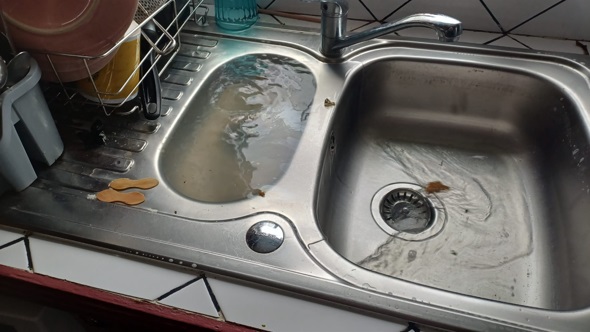
She has had recent problems with the washing machine not draining, the waste disposal not working (it is 13-months old) and the ½ bowl filling up with foul water (pic below).
sinkful.jpg


IMG_3690.jpg


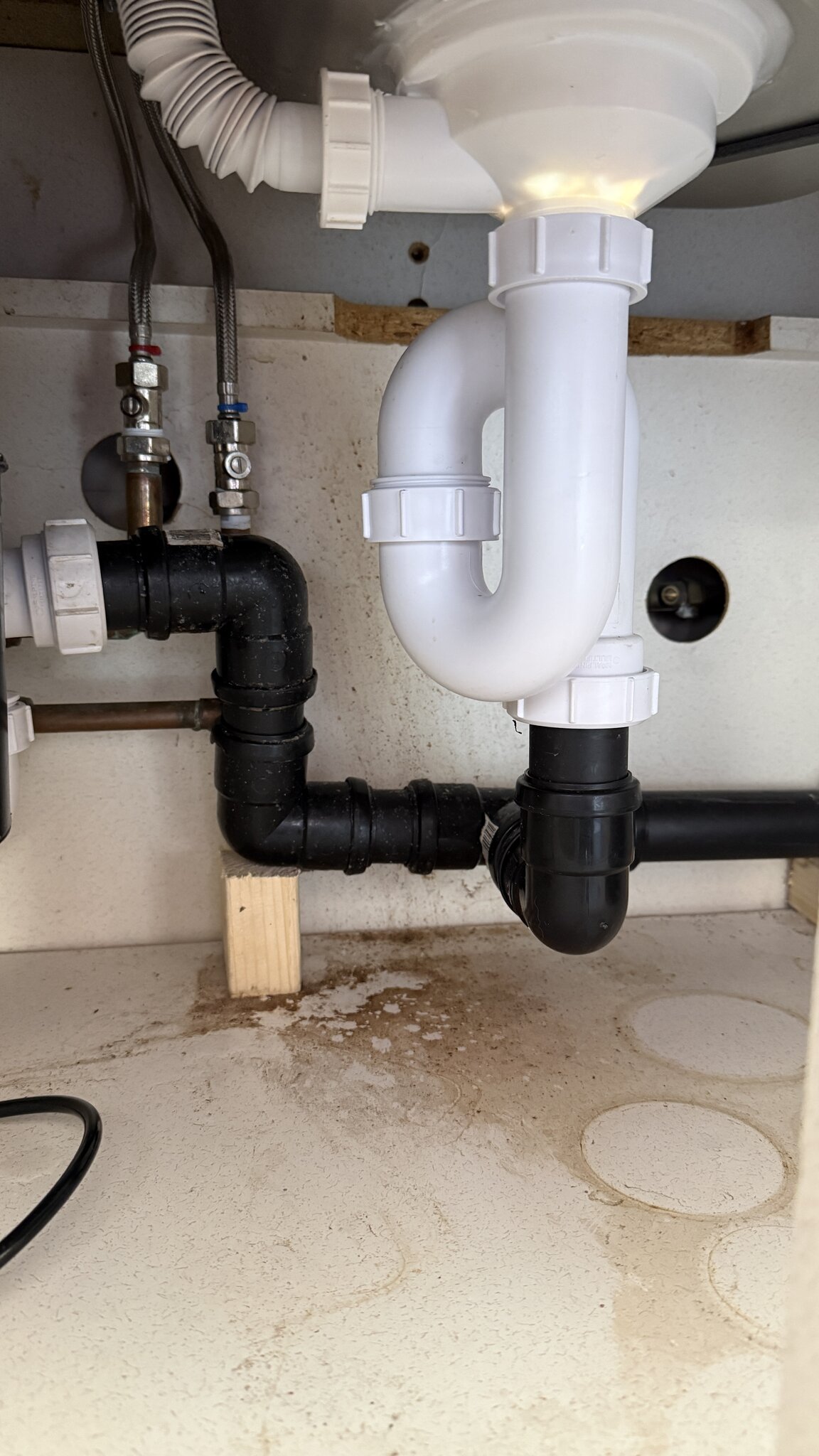
Picture 2 shows the waste under the main sink (with a s-trap?), the feed from the waste disposal on the left and the black main waste outlet pipe on the right.
IMG_3691.jpg


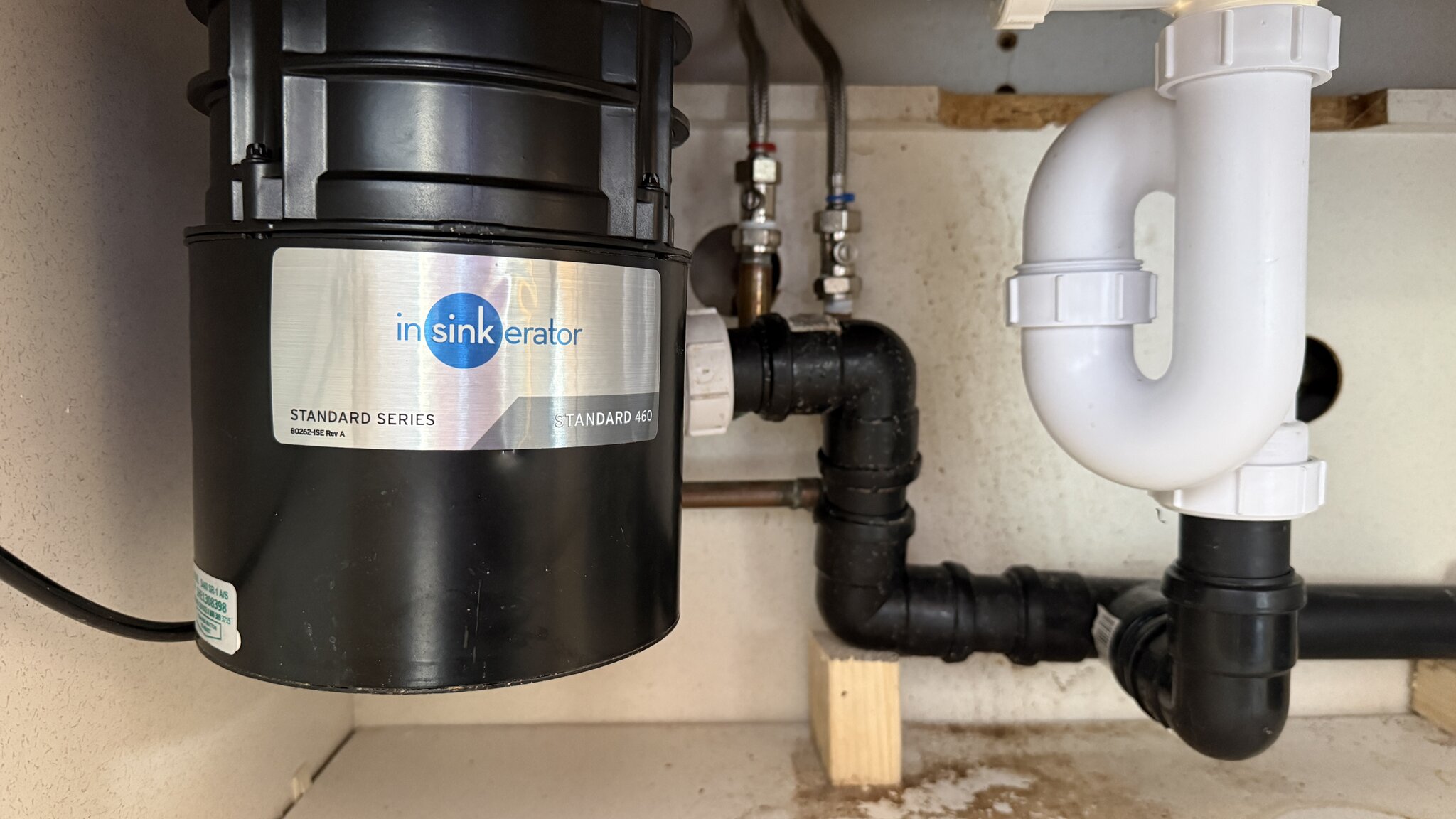
Picture 3 shows a wider view including the waste disposal.
IMG_3692.jpg


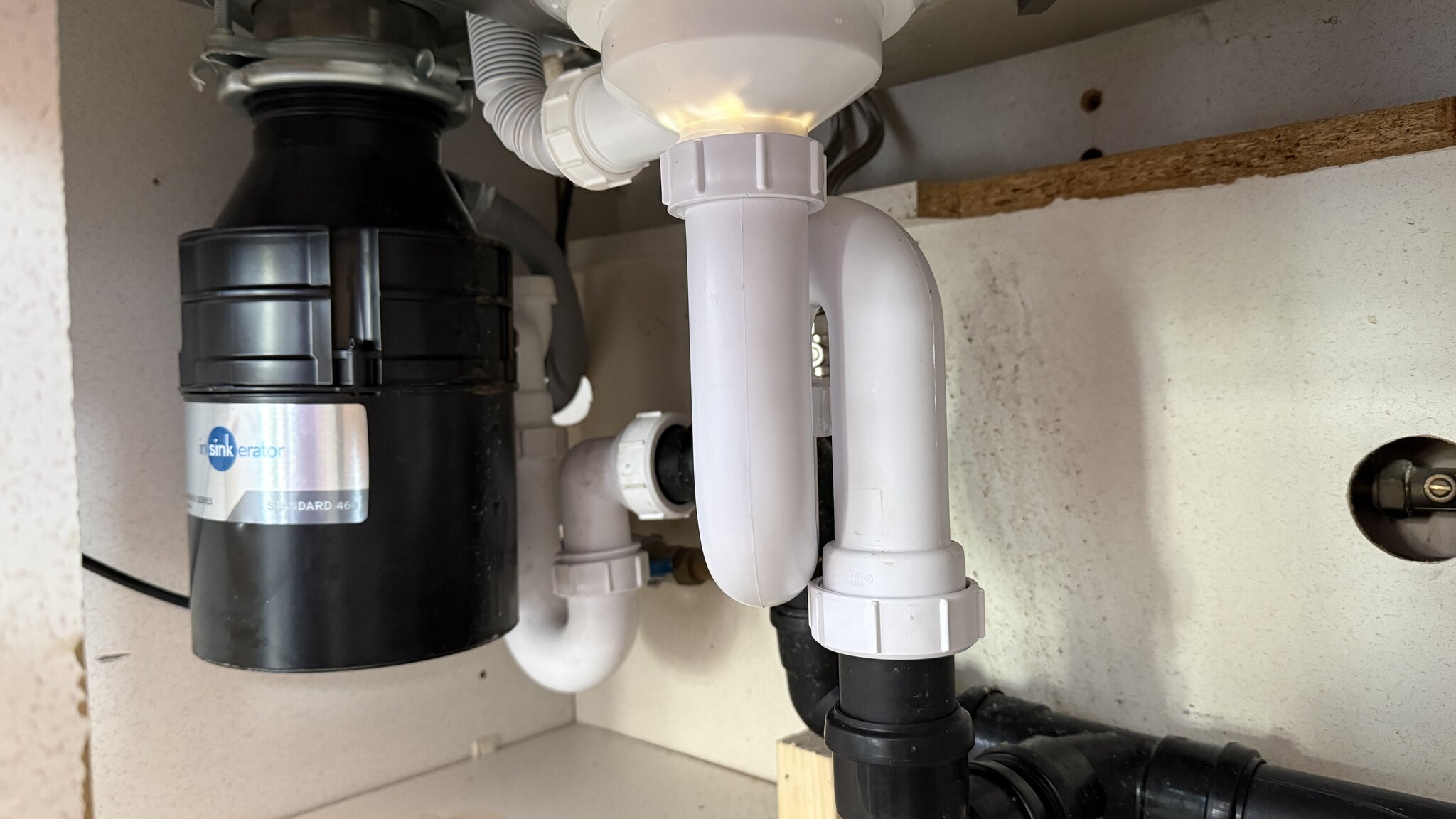
Picture 4 shows a P-trap behind the waste disposal. The grey pipe behind the P-trap is from the washing machine.
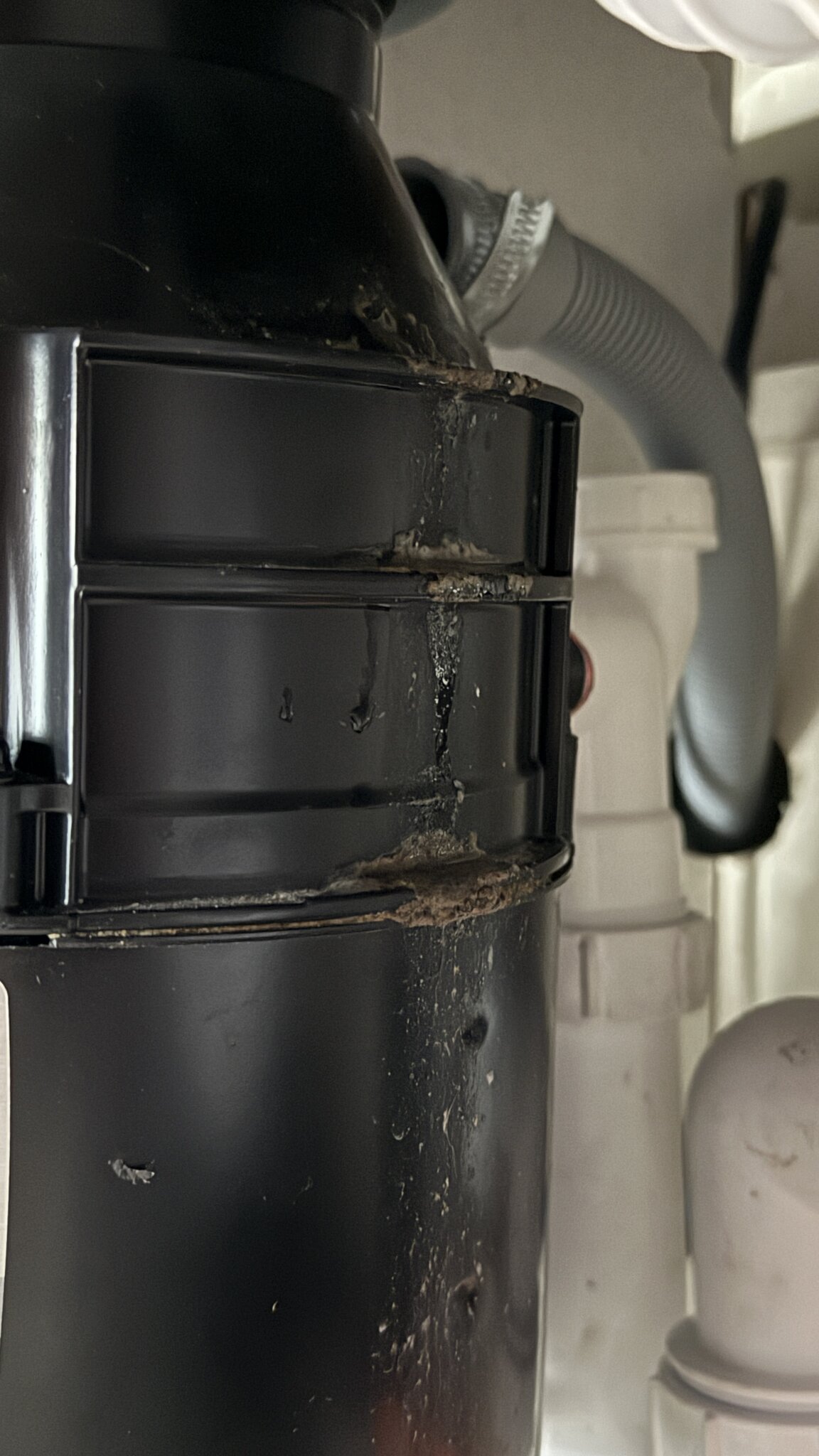
IMG_3695.jpg


Picture 5 shows what appears to be evidence of a leak from the waste disposal.
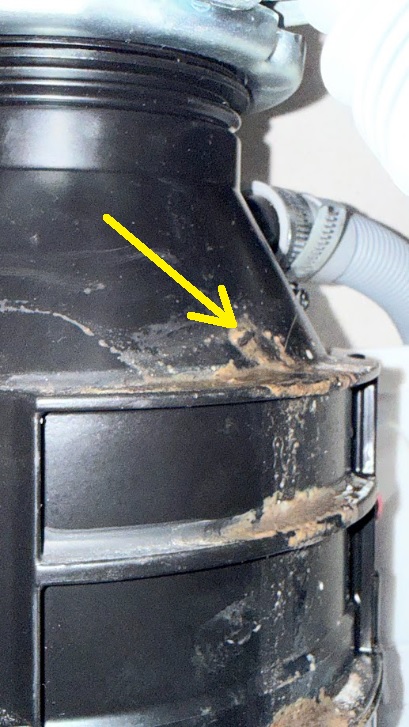
Hole.jpg


Picture 6 identifies what Christopher Plumber thought was a hole but actually feels mor like a moulding 'nib' in the plastic.

I have tried to remove the insinkerator by twisting the unit closkwise (as viewed from above) but im not sure how much force to apply and don't want to break anything thereby making the situation worse.

Looking at Pictures 2, 3 & 4, the sink waste trap (right) appeare to be higher than the waste disposal trap - will this cause an issue?

Thanks in advance,

Dave
 
I have tried to remove the insinkerator by twisting the unit closkwise (as viewed from above)
The unit doesn't move, twist this bit using the lugs, which can be tight...
1785176642355.png


Looking at Pictures 2, 3 & 4, the sink waste trap (right) appeare to be higher than the waste disposal trap - will this cause an issue?
Not if the waste to the outside is running clear.
 
Thanks denso.

I know that the waste twists off, I said that in my op - but it seemed reluctant to move and I didn't want to force it.

#2 - can't tell if the waste is running clear as the black waste pipe disappears into the floor (I think).

XRD
 
Get a wet vac, suck out any water then remove the tee junction after the trap and suck from where it goes into the floor, this should clear your blockage. Also suck any food waste from the waste disposal.

Once cleared make sure the waste disposal should be run with cold water only and left running once the food has gone with the tap running for 30 seconds.

Andy
 
OP,
First, isolate elec supply to disposal.
Place a container under the traps & pull apart the push fittings to catch waste water - scoop out any waste water from the half sink.
An Allen key or similar can be used in the lugs to turn & free the disposal.
Skip the trashed disposal, & for my money why even have a GD - water & power cost money, & will cost far more in the future?

You have double traps - best practice plumbing is for one shared trap.
Typically, the washing machine waste hose (or DW hose) is connected to a spigot on a sink waste extension. But if your arrangement works & no smells then fine.
 
I read somewhere that s-traps are prone to suction , this maybe allowing the smell up.
 
Yep, that's why they are not recommended (not sure if there is an outright ban as I'm not a plumber).

XRD
 
Yep, that's why they are not recommended (not sure if there is an outright ban as I'm not a plumber).

XRD
News to me on both counts, S Traps are no different to a P Trap followed by a bend, there is no restriction in the size of the pipework.

Biggest issue that will cause syphoning is a restriction in the bore of the pipework caused by crud build up, which in the OP's case, is likely to be exacerbated by the discharge from the Waste Disposer.
 
S-Traps are well known, by qualified plumbers, for being prone for siphonage.
City & Guilds used to teach and test names and use for various traps - you failed the test if you didn't describe the possible siphoning issues with S-Traps.

The biggest issue is a slug of water pulling air, & water from the trap behind it as it drops.

Ask any BCO for an opinion ref S-Traps - BCO's in my experience dont favor them because of siphonage issues.

The most significant Plumbing Codes in the USA have outright bans on using S-Traps.
 
S-Traps are well known, by qualified plumbers, for being prone for siphonage.
City & Guilds used to teach and test names and use for various traps - you failed the test if you didn't describe the possible siphoning issues with S-Traps.

Please provide your Plumbing Qualifications. Mine, City and Guilds 603 Plumbing Craft, obtained through an Apprenticeship and Day release at Technical College. I have no knowledge or recollection of what you are talking about being taught, S Traps have been in successful use in the UK since Sinks were invented. Other vertical outlet Traps are available.

The biggest issue is a slug of water pulling air, & water from the trap behind it as it drops.
Hence why UK Building Regs Part H give limits for the length of waste runs. Anti Vac Traps are available if need arises.

Ask any BCO for an opinion ref S-Traps - BCO's in my experience dont favor them because of siphonage issues.
BCO's don't generally get involved with Plumbing work in the UK. With many UK Builds having waste pipes directly connected to the Drain, invariably the pipe heads downwards following the Trap, so if a 'S' Trap isn't used, then a 'P' Trap with a 90° Bend is needed.

The most significant Plumbing Codes in the USA have outright bans on using S-Traps.

This is the UK and we do things differently. Part H gives no mention of 'S' Traps. https://assets.publishing.service.gov.uk/media/5a80cf9ded915d74e33fc8ae/BR_PDF_AD_H_2015.pdf
 
Distinguished C&G craft.
I am so sorry that your college missed that bit.
"since sinks were invented" - Really, how would you know?

Waste pipe runs & anti-vac traps are not the issue - waste pipe run lengths is to prevent blockages - the issue is siphonage in S-Traps not anti-vac traps.

Its obvious that a trap is needed at a waste fixture. So, whats your point in saying an S-Trap or a P-Trap is needed?
Asking the BCO for an opinion is not asking for involvement.

Be cautious in suggesting that I dont understand the UK building trade.
I understand it, and the US construction world pretty well.
FWIW: siphonage is the same in the US as in the UK.
 
Distinguished C&G craft.
That may have been on my Exam Result Certificate, it's been many years and it's not something I look at every day.
"since sinks were invented" - Really, how would you know?
Carrying out Plumbing work, one tends to visit many different premises, some of which are particularly interesting due to age, and the work of Plumbers gone before is evident for all to see. I always take a particular interest in techniques of days gone by, including Waste arrangements.

Waste pipe runs & anti-vac traps are not the issue - waste pipe run lengths is to prevent blockages - the issue is siphonage in S-Traps not anti-vac traps.
Complete Tosh, has absolutely no relevance, now you really are grasping at straws. Go and read section 1.19 of Part H which references Maximum Lengths of Branch Discharge pipework to prevent siphonage. Any waste pipe can block, regardless of length, if it has been badly installed or the discharge contains products that can congeal within the pipe.
 
Misuse of waste disposal and/or washing machine/dishwasher is the culprit here.
Combine that with most modern habits of never filling the sink with clean hot water and letting it go, to flush the waste system.

Most blockages I go to are due to very little volume of water flushing the pipework over time.

And I get asked to remove a lot of insinkerators as they are a bloody pita.
 

If you need to find a tradesperson to get your job done, please try our local search below, or if you are doing it yourself you can find suppliers local to you.

Select the supplier or trade you require, enter your location to begin your search.


Are you a trade or supplier? You can create your listing free at DIYnot Local

 
Back
Top