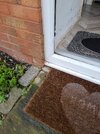
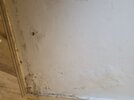
Localised damp patch on internal wall

Joined
15 May 2024
Messages
7
Reaction score
0
Country
United Kingdom
Hi all,

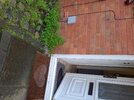
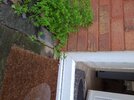
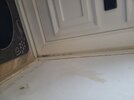
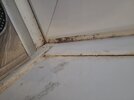
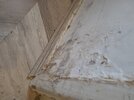
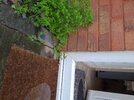
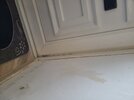
I’ve got a localised low-level damp / moisture patch on an internal wall near the front door / kitchen (photo attached).
No obvious leaks internally, house is otherwise dry. The patch hasn’t spread much but doesn’t fully dry out.

Before calling any damp companies, I’m trying to work out likely causes and what to check first. Possibilities I’m considering are:
– external ground levels bridging the DPC
– door threshold or seal letting water in
– external pointing / brickwork issues
– possible minor plumbing leak from the kitchen side

Any advice on first checks or simple fixes to rule things out would be appreciated.

Cheers.
 

Attachments

  • 20260129_114808.jpg
    20260129_114808.jpg
    200.9 KB · Views: 27
You're not considering condensation then?
And hygroscopic plaster (salts absorbing air moisture)?
 
Stand back and take wider pics, of the whole wall, both sides, so we can see what's going on. Include watery items such as sinks, showers, washing machines, radiator pipes, kettles, water pipes

It is on the ground floor? Show the airbricks outside and their height above ground level. Show nearby drains, gullies, downpipes and manholes.

Is the floor wet?

Do not allow anybody who sells silicone injections into your home, even if they masquerade as a damp consultant
 
Thanks all for the replies so far.

Condensation was my initial thought, especially being close to the kitchen, but the patch is very localised, low-level and doesn’t really come and go with cooking or weather. The rest of the house is dry and well ventilated. The floor feels dry at the wall edge.

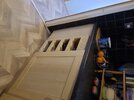
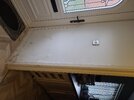
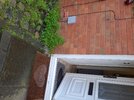
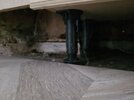
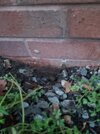
I’ve now added wider internal photos of the whole wall and both sides, plus external photos showing the door threshold, ground levels and surrounding area. There are no plumbing pipes, radiators or appliances directly behind this wall.

Someone suggested ingress at the door reveal / threshold or external ground levels being too close to internal floor height seems plausible, but happy to rule condensation or hygroscopic plaster out properly if I’m missing something.

Any thoughts on what to check or address first would be appreciated.
 

Attachments

  • image-1769868847016.jpg
    image-1769868847016.jpg
    406.9 KB · Views: 23
  • image-1769868826992.jpg
    image-1769868826992.jpg
    313.8 KB · Views: 23
  • image-1769868745809.jpg
    image-1769868745809.jpg
    115.8 KB · Views: 23
  • image-1769868731083.jpg
    image-1769868731083.jpg
    114.4 KB · Views: 23
  • image-1769868718560.jpg
    image-1769868718560.jpg
    247.4 KB · Views: 22
  • image-1769868677479.jpg
    image-1769868677479.jpg
    167.4 KB · Views: 24
  • image-1769868638603.jpg
    image-1769868638603.jpg
    191.7 KB · Views: 21
  • image-1769868847016.jpg
    image-1769868847016.jpg
    406.9 KB · Views: 24
  • image-1769868826992.jpg
    image-1769868826992.jpg
    313.8 KB · Views: 23
  • image-1769868745809.jpg
    image-1769868745809.jpg
    115.8 KB · Views: 23
The ground level is much higher too high. Look for the DPC. You may need to pull back some earth in the flowerbed beside the door.

I think, on the other side of the wet wall is your kitchen unit. Take out the plinth. I expect you will find bad damp. Ventilate it.

Is there any part of the floor you can see or touch? It looks to be concrete covered in laminate.

Look at other parts of the kitchen walls and floor. It's possible for water to track unseen under floor coverings. A leak somewhere in a kitchen can saturate the whole floor.
 
Thanks for the advice. I’ve removed the kitchen plinth and the concrete floor behind the unit is dry, though the back of the wall shows localised damp. I’m pulling back and lowering the gravel outside to expose the DPC and will do a controlled hosepipe test around the door/frame next. I’ll leave the area ventilated and report back.
 

Attachments

  • image-1769938808278.jpg
    image-1769938808278.jpg
    365.4 KB · Views: 5
Not specifically yet, but I will check the guttering above the area for any leaks or staining. There’s a canopy over the door, but I’ll rule it out properly.
 

If you need to find a tradesperson to get your job done, please try our local search below, or if you are doing it yourself you can find suppliers local to you.

Select the supplier or trade you require, enter your location to begin your search.


Are you a trade or supplier? You can create your listing free at DIYnot Local

 
Back
Top