I live in a bungalow with six radiators, five i which you could fry an egg on but in my small bathroom i have a small radiator and it wont heat. When i try bleed it no air just water so i am guessing its full of sludge. I want to remove it to clear it out but the lock shieldvalve wont budge. Any ideas?

You are using an out of date browser. It may not display this or other websites correctly.
You should upgrade or use an alternative browser.
You should upgrade or use an alternative browser.
Lockshield valve wont budge for me. Any ideas?
- Thread starter fitzykev
- Start date
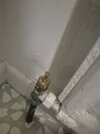
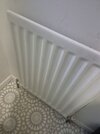

Managed to free it up. Some gentle taps with vice grips. So now both valves are shut off is it safe to remove radiator and flush out? Also how do i fill the radiator again do i simply open the valves again? Something makes me think its not as simple as thatDrain the whole system and take the opportunity to replace the stuck valves at the same time
Managed to free it up. Some gentle taps with vice grips. So now both valves are shut off is it safe to remove radiator and flush out? Also how do i fill the radiator again do i simply open the valves again? Something makes me think its not as simple as that
Yes and yes - provided the valves are definitely completely off. Have a plan for what to do if they are passing a small amount of water.
Stupid question but where does the extra water to fill the radiator come from?Yes and yes - provided the valves are definitely completely off. Have a plan for what to do if they are passing a small amount of water.

Stupid question but where does the extra water to fill the radiator come from?
Depends on the type of system you have. Open Vented with a Feed and Expansion Cistern in the Loft, then as the name suggests, this small cistern feeds the system and should top up automatically via a Ballvalve. (The Ballvalve can sometimes get stuck, so worth checking it's free if you cant hear the system filling when you've finished.)
Other common type is a 'Sealed System' where the User has to manually open a couple of valves and allow water in from the mains, usually via a braided silver hose 'Filling Loop'. Once system has reached required pressure, close both valves, and ideally the filling loop should be disconnected.
Depends on the type of system you have. Open Vented with a Feed and Expansion Cistern in the Loft, then as the name suggests, this small cistern feeds the system and should top up automatically via a Ballvalve. (The Ballvalve can sometimes get stuck, so worth checking it's free if you cant hear the system filling when you've finished.)
Other common type is a 'Sealed System' where the User has to manually open a couple of valves and allow water in from the mains, usually via a braided silver hose 'Filling Loop'. Once system has reached required pressure, close both valves, and ideally the filling loop should be disconnected.
I once removed a ground floor rad for a customer so that I could redecorate. She told me that she had an open vented system. I made the mistake of assuming that the ball valve was working properly. I refitted the rad.
A couple of days later her boiler stopped working. The plumber said that the ball valve was stuck and that the pump overheated because it was running dry.
I now make a point of checking the header tank...
After you've turned off both radiator valves, you'll need to drain the radiator before you remove it, by cracking open one of the valve to radiator connectors (NOT the supply pipe to valve connectors!) and then opening the bleed valve at the top of the radiator to let in air.
When the raditor is re-installed, fill it by opening the valves and opening the bleed valve until just water comes out of it. As Hugh Jaleak has said, this water should automatically come from the F&E tank in the loft for a vented system, or via the filling loop if you have a sealed system. This re-filling will dilute any anti-corrosion inhibitor which you should have in the water circuit but, for just one radiator drained and re-filled, this probably won't be significant
When the raditor is re-installed, fill it by opening the valves and opening the bleed valve until just water comes out of it. As Hugh Jaleak has said, this water should automatically come from the F&E tank in the loft for a vented system, or via the filling loop if you have a sealed system. This re-filling will dilute any anti-corrosion inhibitor which you should have in the water circuit but, for just one radiator drained and re-filled, this probably won't be significant

Also, when refilling, you'll need to crack open the Bleed Screw at the top of the Rad to release the air as it fills. Now, with the 2 Valves, one Handwheel should be fully open then crank back half a turn, TRV willadjust as required. Other end, should be a Lockshield Valve, that you've closed using either the Head from the handwheel Valve other end or a small spanner. Crack this open half a turn at a time until Rad get's hot.
This is used to Balance the system, see Balancing in FAQ's.
This is used to Balance the system, see Balancing in FAQ's.
And carry it upside downWatch out for black sludge all over your carpet when you take it off the wall, bung something in the ends when carrying it outside.
A couple of 1/2" screw blanking pieces, about £3 each from SF 51939 or 1.Yes and yes - provided the valves are definitely completely off. Have a plan for what to do if they are passing a small amount of water.
50 from Toolstation
Last edited:
Watch out for black sludge all over your carpet when you take it off the wall, bung something in the ends when carrying it outside.
Yes - currently a neighbour's block paving driveway has a brown stain leading from a pair of ancient radiators apparently removed by a flooring company. Nice new floor, but nasty drive.

- Joined
- 21 Jun 2021
- Messages
- 173
- Reaction score
- 54
- Country

Would that be the smaller cistren in the roof space with like a clear jelly in that water? What is that clear jelly?Depends on the type of system you have. Open Vented with a Feed and Expansion Cistern in the Loft, then as the name suggests, this small cistern feeds the system and should top up automatically via a Ballvalve. (The Ballvalve can sometimes get stuck, so worth checking it's free if you cant hear the system filling when you've finished.)
Other common type is a 'Sealed System' where the User has to manually open a couple of valves and allow water in from the mains, usually via a braided silver hose 'Filling Loop'. Once system has reached required pressure, close both valves, and ideally the filling loop should be disconnected.

DIYnot Local
Staff member
If you need to find a tradesperson to get your job done, please try our local search below, or if you are doing it yourself you can find suppliers local to you.
Select the supplier or trade you require, enter your location to begin your search.
Please select a service and enter a location to continue...
Are you a trade or supplier? You can create your listing free at DIYnot Local
Similar threads
- Replies
- 4
- Views
- 3K