Hi everyone
Apologies for the long post, and thanks for reading.
I'm probably going to be getting a replacement boiler soon. I've always found these forums really helpful, and as it's such an expensive purchase, I was hoping to get some opinions from people on here about what will or won't work.
The current install is a bit sloppy, and I'm expecting there will be a fair bit of work to tidy up and bring up to standard. I've got a couple of questions for now:
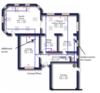
1. We currently have a system boiler and unvented cylinder in a 5 bed, 2 bathroom house.
For non technical reasons (mainly space) my preference is to fit a combi boiler. I'm aware this is probably against conventional wisdom, but want to look into whether it could work for us.
Am I right in thinking that mains water flow rate is the most important factor here? To measure this, I have just run the outside tap for 1 minute and observed how much the water meter reading moved. It moved on just over 20 litres in a minute. Is this a valid way to test water flow, and is 20 litres enough to supply a mid/large sized house?
2. I've had someone recommend a plate heat exchanger to separate the boiler from the radiator circuit (which is split into upstairs and donwstairs heating zones). I understand the benefits of separating the boiler from old/dirty rads but are there any negatives or complications with this kind of set up that I should be aware of?
Thanks for reading
Apologies for the long post, and thanks for reading.
I'm probably going to be getting a replacement boiler soon. I've always found these forums really helpful, and as it's such an expensive purchase, I was hoping to get some opinions from people on here about what will or won't work.
The current install is a bit sloppy, and I'm expecting there will be a fair bit of work to tidy up and bring up to standard. I've got a couple of questions for now:
1. We currently have a system boiler and unvented cylinder in a 5 bed, 2 bathroom house.
For non technical reasons (mainly space) my preference is to fit a combi boiler. I'm aware this is probably against conventional wisdom, but want to look into whether it could work for us.
Am I right in thinking that mains water flow rate is the most important factor here? To measure this, I have just run the outside tap for 1 minute and observed how much the water meter reading moved. It moved on just over 20 litres in a minute. Is this a valid way to test water flow, and is 20 litres enough to supply a mid/large sized house?
2. I've had someone recommend a plate heat exchanger to separate the boiler from the radiator circuit (which is split into upstairs and donwstairs heating zones). I understand the benefits of separating the boiler from old/dirty rads but are there any negatives or complications with this kind of set up that I should be aware of?
Thanks for reading