• Looking for a smarter way to manage your heating this winter? We’ve been testing the new Aqara Radiator Thermostat W600 to see how quiet, accurate and easy it is to use around the home. Click here read our review.

Step flashing - DIY or call in an expert?

Joined
27 Dec 2015
Messages
191
Reaction score
8
Country
United Kingdom
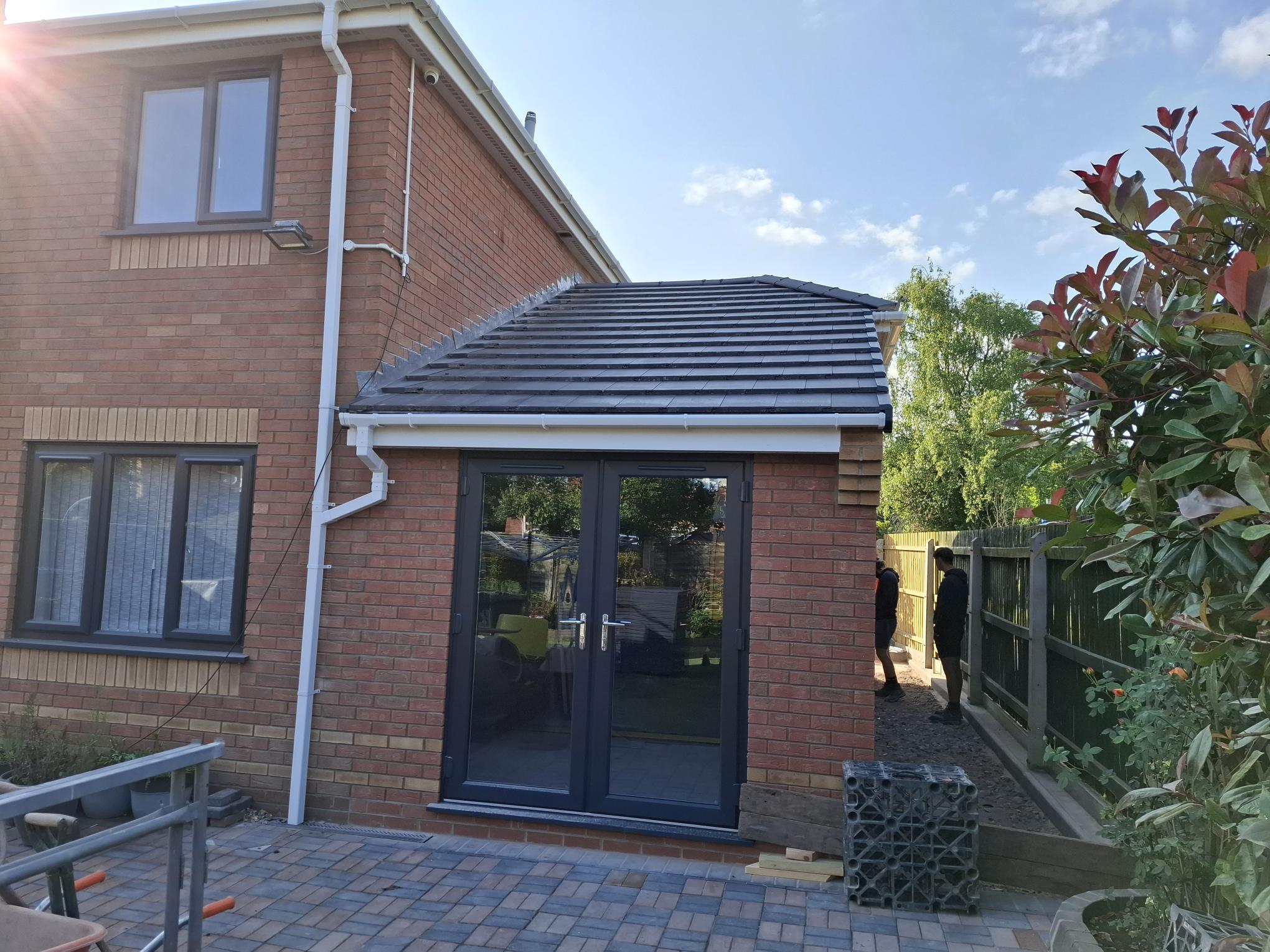
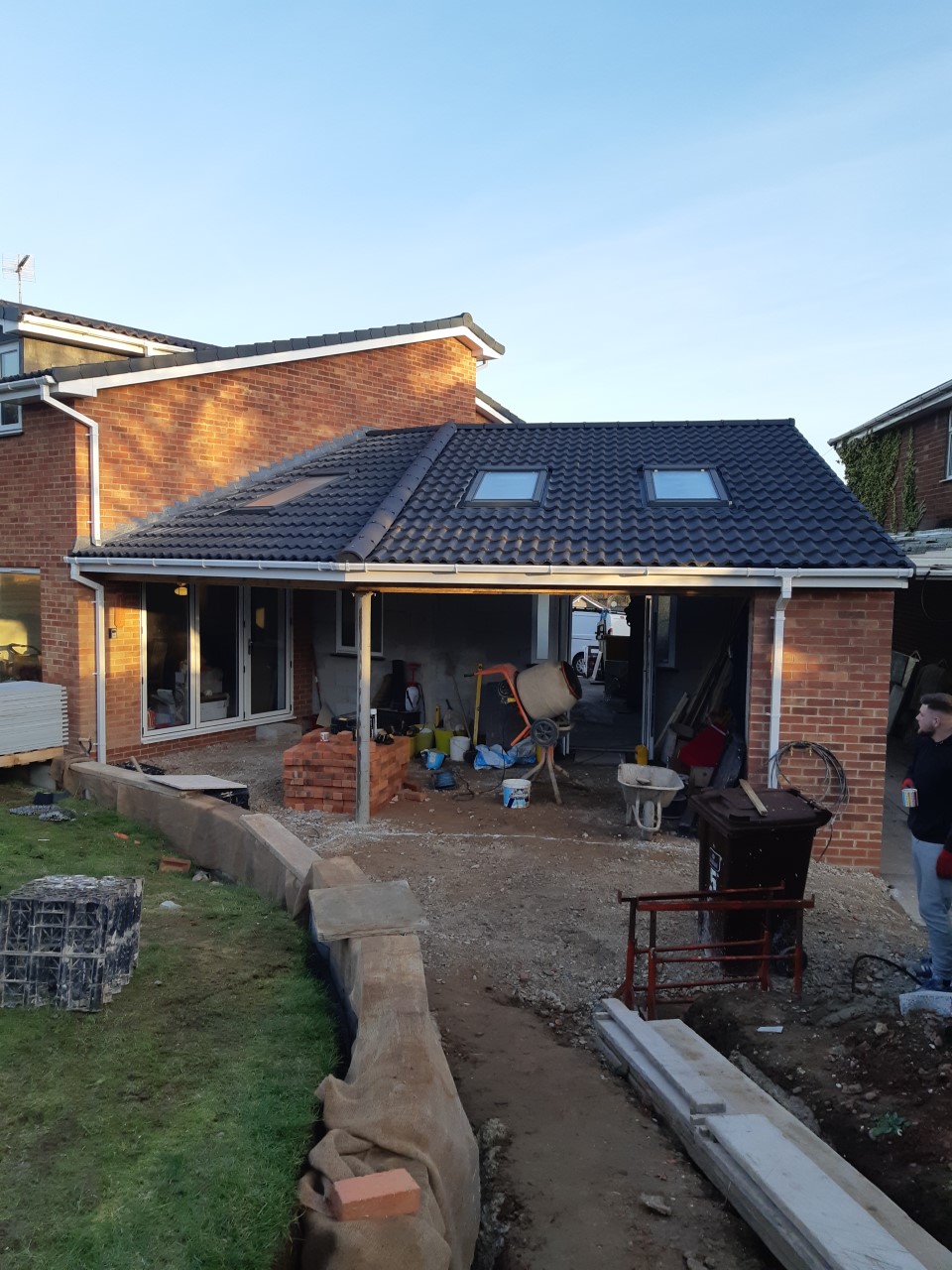
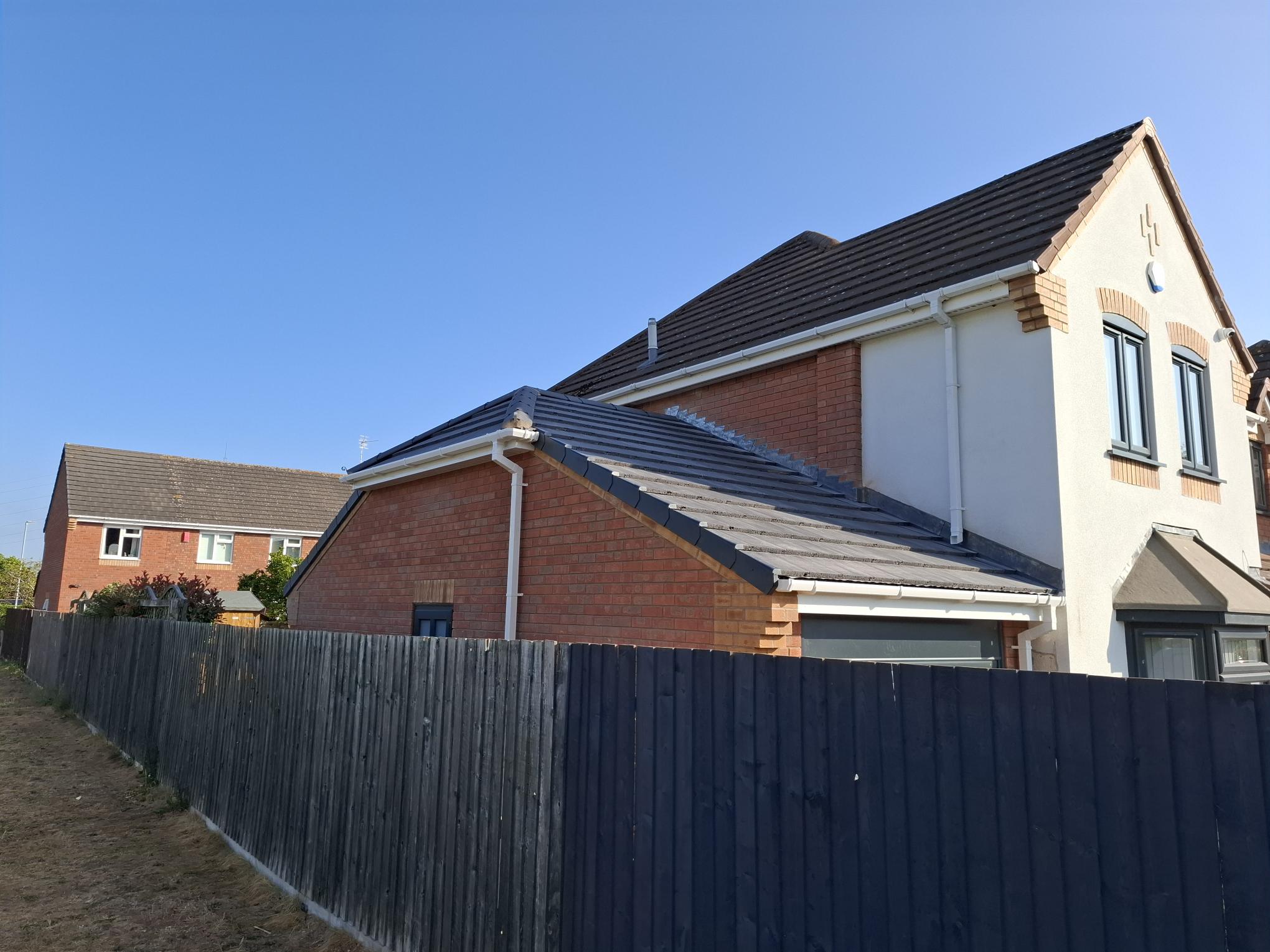
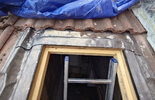
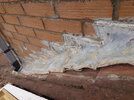
The flash stepping on my garage roof meets gable end has failed. I knew it had been bodged but on inspection there are fractures all over in the same place. It may be the sealant hasn't allowed for expansion/contraction. It's a right mess.
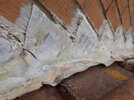
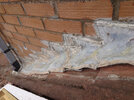
20250831_152201.JPG 20250831_152206.JPG

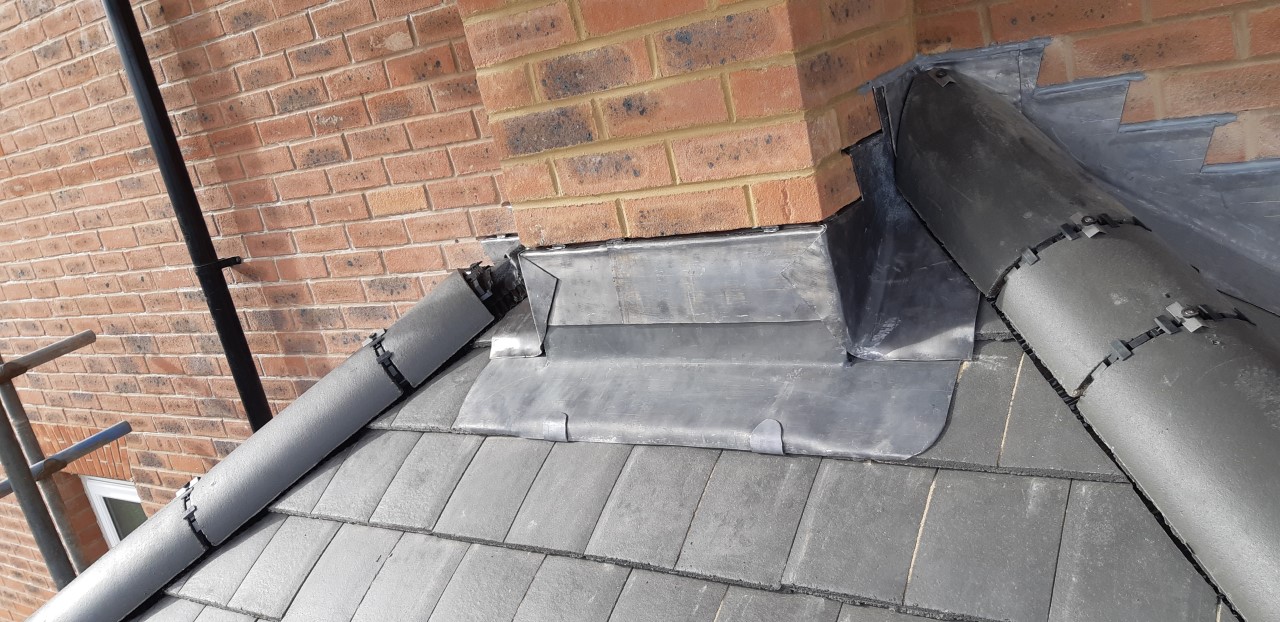
Until today I had no experience with lead, but I'm installing skylights and attempted the flashing myself. I don't have the proper tools so there was a lot of malleting and I made some bash-able pipe and things to assist. It went ok, I guess.
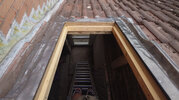
20250901_171154.JPG 20250901_171147.JPG

Question is how much more difficult will the stepping be? The double roman tiles add more complexity and I'm wondering if this is one of those situations where a time served pro is the better call. Or could I take the lead out, bash it flat and use it as a template?

Thoughts?
 

Attachments

  • 20250831_152206.JPG
    20250831_152206.JPG
    445.7 KB · Views: 75
The flash stepping on my garage roof meets gable end has failed. I knew it had been bodged but on inspection there are fractures all over in the same place. It may be the sealant hasn't allowed for expansion/contraction. It's a right mess.

View attachment 391465 View attachment 391466

Until today I had no experience with lead, but I'm installing skylights and attempted the flashing myself. I don't have the proper tools so there was a lot of malleting and I made some bash-able pipe and things to assist. It went ok, I guess.

View attachment 391468 View attachment 391469

Question is how much more difficult will the stepping be? The double roman tiles add more complexity and I'm wondering if this is one of those situations where a time served pro is the better call. Or could I take the lead out, bash it flat and use it as a template?

Thoughts?
Step flashing in one of those jobs that is as easy to right as it is to get wrong.

You take your 230mm or 305mm wide lead (width depends upon tile profile lap) and cut it into the correct (1.5m) length and make a 90 degree fold so that you have 150mm of lead travelling up the the wall. The travel horizontally depends upon the lead covering a full tile profile so that its aiming down hill on the profile.

You then offer the lead into place at the bottom of the run ensuring the lead is at the bottom of the eaves tile or slightly lower. Gently press the lead so that it is seated against the wall and make sure it can't slip down. With a short level, apply horizontal marks to the lead indicating the top arris of every brick on the run up the lead. This is your fold line. Take the lead to your bench and then mark a parallel line 22mm up from your brick arris line. This is your cut line. The length of the cut line will depend on the pitch of the roof and the angle of your drip-back. Ideally you need about 65mm water line. We use a bevel to mark the drip back line.

Once the lead is marked you cut out the triangles, the fold the lead mortar inserts.

Watch a video on utube or some such as its difficult to explain the cutting/folding procedure.


I can say for sure I won't be getting it neat like that. I've had a hard job getting the lead to stay close to the tiles, it always wants to ride up.

I may have a little lead left over and might have a go for two bricks to see how I get on.
 
It is almost impossible to carry out decent and smooth lead work without the correct tools and also avoid cold days or constantly warm the sheet lead as work progresses. Also use the right weight of lead for the job to avoid splitting. If in any doubt, employ a decent time served plumber (at least 40 or over) to save any heartache and wasted lead.
 
It's proving difficult to find anyone that can do it, or of they can they won't do it any more as there's easier jobs to make money on. Older guys don't want to be on the roof nowadays! :)

I've been told that another solution is to cut a diagonal line into the brick (he used a name for it but I can't remember it now) then the lead goes into it and does the same thing. Aesthetically it may not be so appealing but it's a lot less work in theory. It would also mean I could hide the bodging that's gone on before. Thoughts?
 
I've been told that another solution is to cut a diagonal line into the brick (he used a name for it but I can't remember it now) then the lead goes into it and does the same thing. Aesthetically it may not be so appealing but it's a lot less work in theory. It would also mean I could hide the bodging that's gone on before. Thoughts?
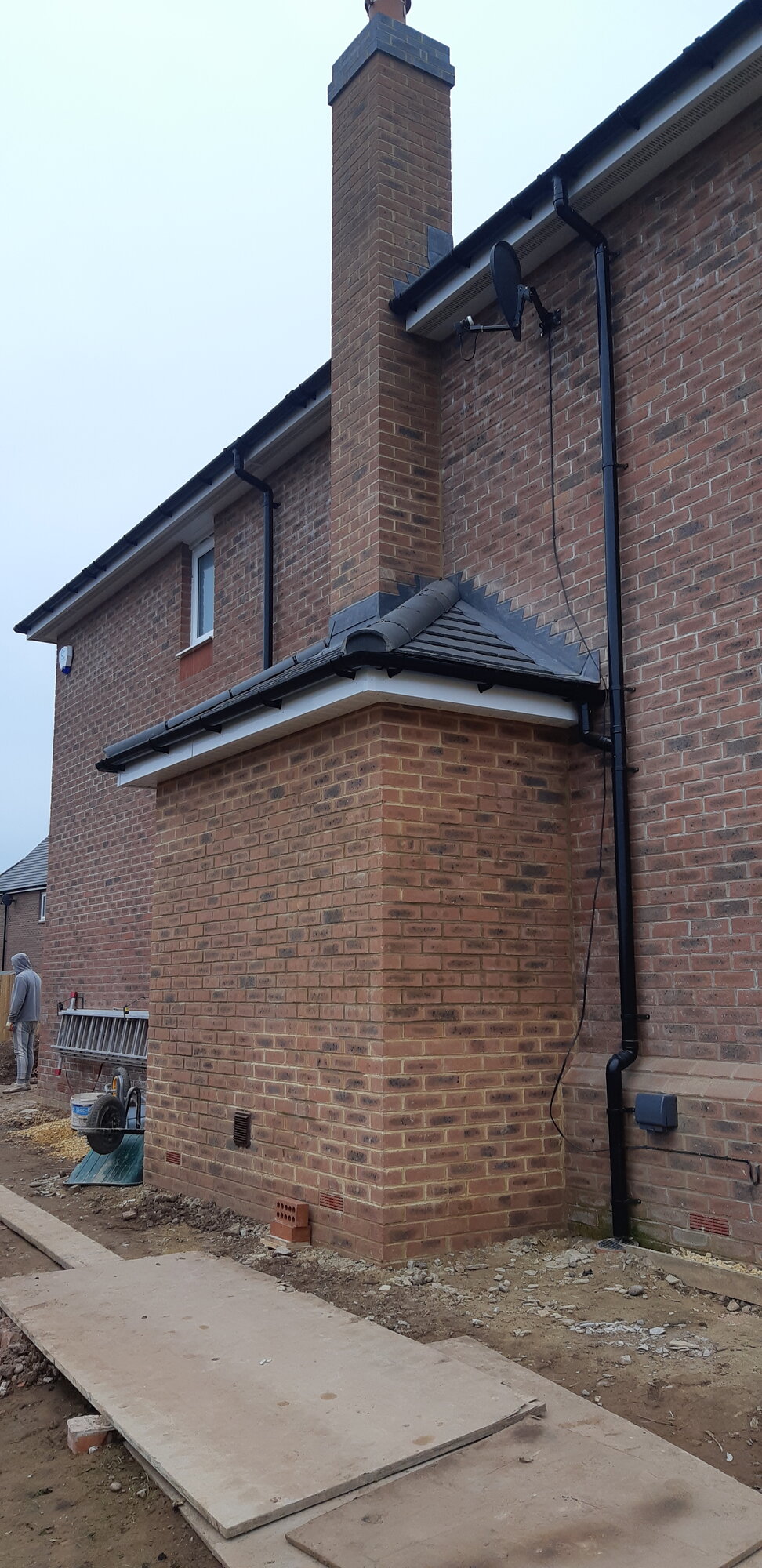
That's for whan you render above as in the image below, note the bottom half of the lead...
 
Are step flashings used on new builds then or something else? If most plumbers and roofers won't do it I'm thinking there's an alternative (at least for cheaper builds).

Any reason why I can't use the diagonal without the render?
 
I like the longevity of lead. A diagonal install is a good compromise and I read it usually lasts longer as it's going into brick not just mortar.

One question is what to fill the small gaps with, silicone or chalk? Another is whether to give a little pre-fill to the gap to aid sticking the lead. I doubt I'll get much in otherwise.
 
This is a job you can try, just give yourself the time to do it with safe access. Fix my Roof on YT is a good resource.
 
I've chased a diagonal line and mostly completed the flashing. It's waterproof but...

Being double roman tiles the lead isn't straight. Trying to get it straight with snips isn't working well. It's like it needs a hot butter knife, or maybe a grinder. I'm not sure how-to so I've left it non-neat.

At the beginning I thought the silicone was enough to give mechanic strength - wrong!, it still needs the lead nuggets bashed into place.
 
I've chased a diagonal line and mostly completed the flashing. It's waterproof but...

Being double roman tiles the lead isn't straight. Trying to get it straight with snips isn't working well. It's like it needs a hot butter knife, or maybe a grinder. I'm not sure how-to so I've left it non-neat.

At the beginning I thought the silicone was enough to give mechanic strength - wrong!, it still needs the lead nuggets bashed into place.
You are not cut out for lead-work. :(
 
Hah, probably, but it would be good to know what the technique is for double romans, sculpting the lead and somehow making it straight!
 

If you need to find a tradesperson to get your job done, please try our local search below, or if you are doing it yourself you can find suppliers local to you.

Select the supplier or trade you require, enter your location to begin your search.


Are you a trade or supplier? You can create your listing free at DIYnot Local

 
Back
Top