
Suitable sandpaper for sanding plaster?

Joined
2 Feb 2014
Messages
412
Reaction score
2
Country
United Kingdom
I think the plasterers sanded out newly plastered walls after they were done. It wasn't part of the plan but after the walls got done, we decided to get the ceiling done & we've a bit of an issue.

I don't know whether they've bashed something into the wall or what, but it's now no longer smooth. There's bumps on there, raised plaster & small indents. Some of it rubs off with a finger, some doesn't.

I don't want to use too coarse a paper, or an incorrect paper as i'm sick of making mistakes by just jumping in with both feet & having a go, so i'll ask first.
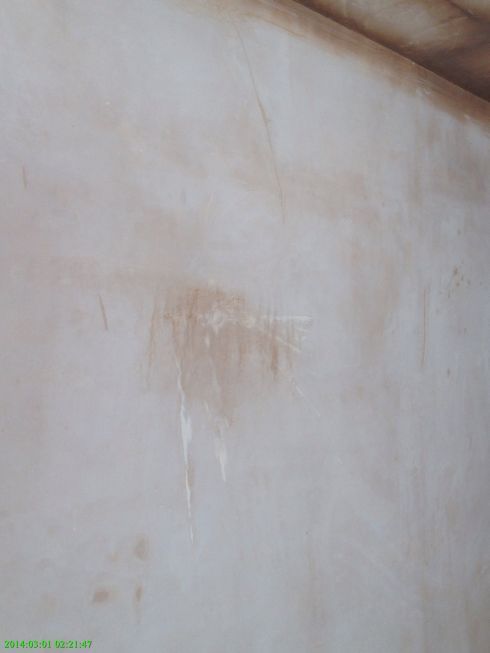


I think i've some 600 & 800 grit wet & dry. Is that ok or do we need to go finer, or even coarser? What do you guys use?
 
Finished plaster does not sand.

Once the smooth 'skin' is abraded the stuff below is less compressed and is friable.

You can sometimes pull it out by working the trowel over the area and hitting it with a splash of water.
 
Finished plaster does not sand.

Once the smooth 'skin' is abraded the stuff below is less compressed and is friable.

You can sometimes pull it out by working the trowel over the area and hitting it with a splash of water.

With that patch on the wall being uneven & bumpy, how would you suggest smoothing it off?

If it matters, that plaster has been on there about 2 weeks now.


Oh & out of interest, why would they use multifinish instead of board finish? In sections i know they've plasterboarded. I would assume BOARD finish would get used on plasterBOARDS, but i don't remember seeing any of the TBF bags, but plenty of TMF bags.
 
It looks like they have tried to fill a few blemishes with the "scum" (fat) off the trowel and there is no setting power in it and it has gone powdery, Try to lightly brush it with a stiff brush to see wether the "scum" comes off. Then get some filler (I use Tetrion Filler ready mixed) when I am filling ready for painting, And it will sand down quite easily, and run your hand over it to feel for any "high spots," When you paint it thin your emulsion down 30 to 50% with water for first and second coat Give it a good stir,Leave it to dry then use paint straight from tub un-thinned, and might be best to use matt emulsion on it...Always give the paint a real good stir I use a paint whisk that fits in to my cordless.. :wink:[/quote :wink:
AS for multi and board multi can be and is used on boards but also over other substrates and backing plasters. So don't worry about that. :wink:
 
I should've added - that section of the wall was perfectly fine until they boarded & skimmed the ceiling afterwards.

I know it's a bit backwards but when we were getting the walls done we didn't intend on getting the ceiling done at that point.


I went round it today with one of those sponges that have the green rough top to them. You know the ones - used for the dishes generally i suppose.

Anyway, rubbed a lot of high spots off. Some needed a little persuasion with a fingernail but others weren't for budging & i didn't want to get too rough. Thankfully these were generally where the radiators going to be or where the sofa will be.
 

If you need to find a tradesperson to get your job done, please try our local search below, or if you are doing it yourself you can find suppliers local to you.

Select the supplier or trade you require, enter your location to begin your search.


Are you a trade or supplier? You can create your listing free at DIYnot Local

 
Back
Top