
What would cause this? And how would I sort it?

Joined
14 Jan 2009
Messages
64
Reaction score
2
Location
Oxfordshire
Country
United Kingdom
Hi all,

hope you're doing well.

Im thinking of updating/ modernising one of our upstairs bedrooms and turning it into a media room. Now the house was converted about 25 years ago from a bungalow and one thing thats always annoyed me is the way the plasterboard has been put up and I want it sorted.

Basically where the virtical wall meets the slope going into the seiling, the line isnt true/ straight.. and this is the case most the way around the room
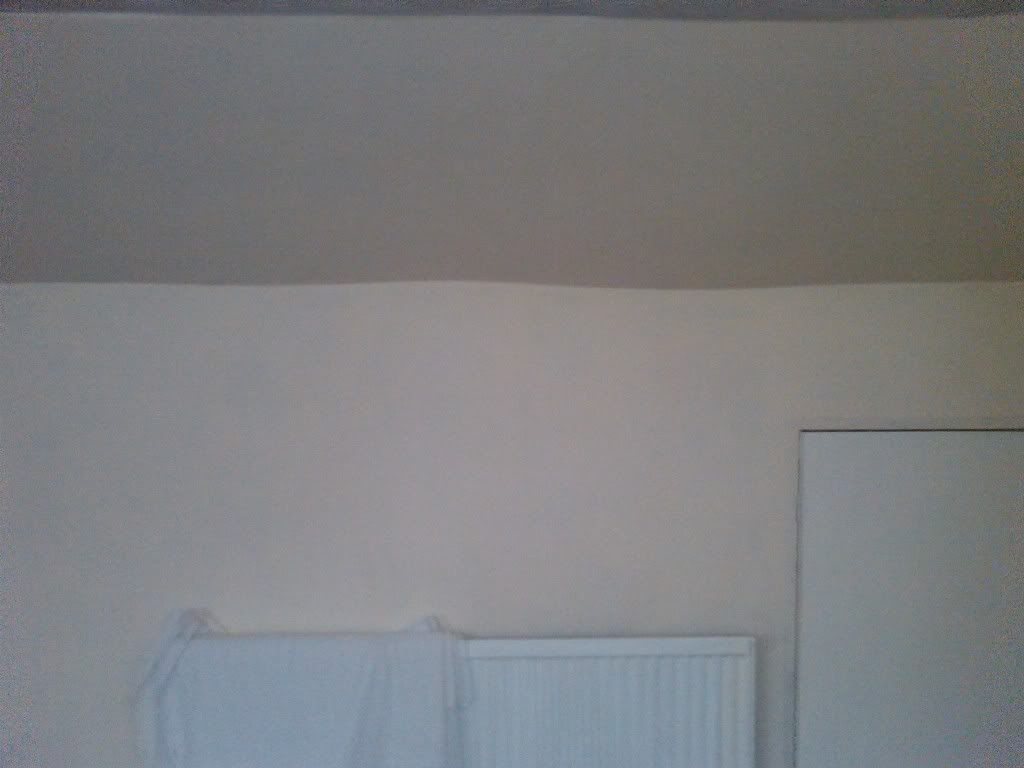
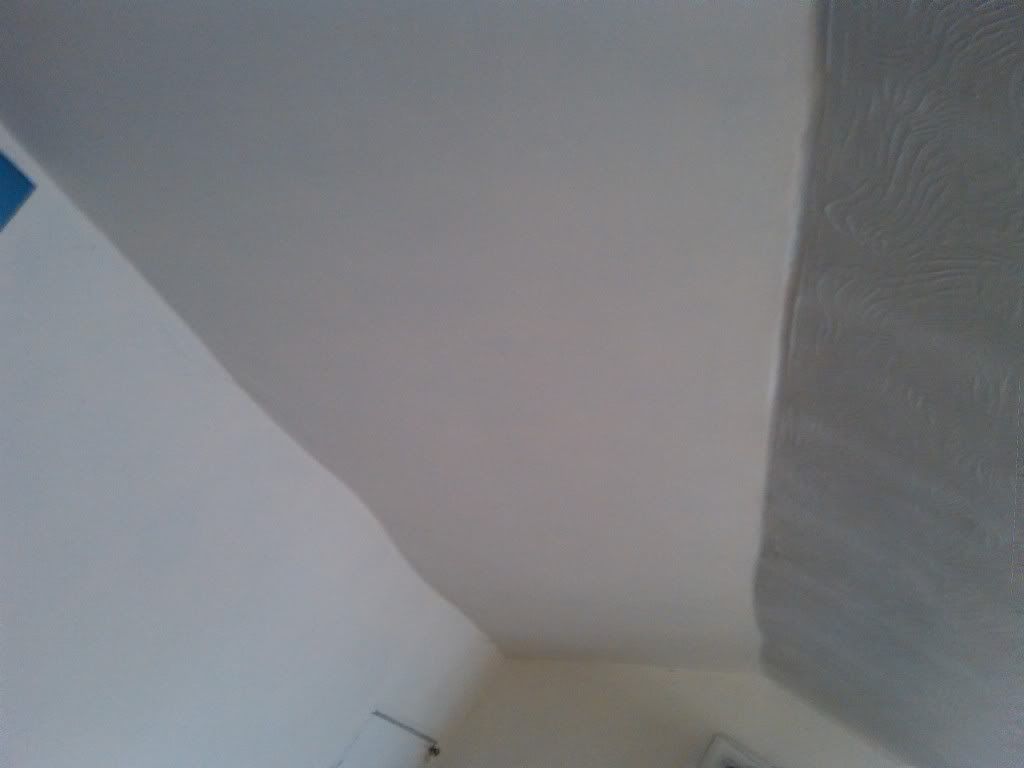
IMG00032-20090608-2003.jpg


IMG00033-20090608-2004.jpg


So i was just wondering what would of caused this? And how easy it would be to rectify? Would it be something that can be sorted by having the room re-skimmed? or even something as simple as some extra plaster?

Im open for suggestions really?

On a side note, the room I believe has simply been painted directly on to plasterboard rather than plastered fully and Id love a nice clean finish. currently some of the joints are cracking abit so I was wondering whether patching plaster would surfice to cover these cracks, and plenty of coats of paint will hide the signs of plasterboard, or whether im better off getting the room plastered properly (the room is approx 18ft x 25ft so any suggestions how much this may cost would also be appreciated)?

Thanks in advance,

Grangey
 
If I were a gambling man, I'd guess that the reason for the wavy corners is that either the original ceiling was sagging/cracking and the previous owners either reskimmed it as it was, or put plasterboard over the whoe surface, screwing it up to the existing ceiling (sags and all); OR they removed the previous ceiling and stuck plasterboard to the ceiling joists which was not exactly perfectly co-linear (which wouldn't have mattered too much on the original plaster/lath since a variable thickness of the subcoat could have rectified this).

As for solving it - I'd be inclined to construct a false ceiling below the existing one which could be made perfectly flat and true (and with some extra insulation). I'd also be inclined to skim over the whole room - new ceiling and all.

Cost - dunno, but I'd wildly guess that for that size room you'd be looking at 800-1000 all in for all the above (2 blokes for 3 days with materials?)
 
Lord knows but it looks awful. If its boards, it looks like they have warped through insufficient support, damp or a mixture of both at some time & it’s someone’s half baked attempts at solving the problem. A simple re-skim isn’t gonna solve waves like, do they transfer down into the walls?

I’d agree with Dex that the solution is probably to either rip it all down & start again or batten out for new boards & a skim but if there is a damp problem, you need to solve that first & make sure there is a damp membrane & suitable insulation above & use Duplex boards; it's a big room & depending on how much has to be done it probably aint gonna be cheap!
 
From what i can gather, we are looking at the junctions that occur on a 'raked' ceiling. This is where part of the roof actually occurs within the room space at the ceiling-wall junction

Because the angle is obtuse, i.e. not 90 degrees but more like 45 degrees, then any deviations will be greatly exaggerated. If any of the rafters are sized differently or the spread was not too clever with his feather-edge, then these deviations will be made more obvious by the angle of the rake.

Any abutment, be it vertical or horizontal is fine at 90 degrees. We have just completed an en-suite conversion that involved one of the stud partition walls to be built at 45 degrees. This junction took some serious trowel work to keep the abutment join straight.

That said, yours does look like a pig. :shock: :lol:
 
i would be tempted to gut the room check out how flat the joists and walls run the if ****ed pack out the low joists till level and same with the walls if stud work if block work then dot and dab the wall flat, my one advice would be to make sure you hire a good plasterer with plenty of experience at this type of plastering and ask specifically to make sure those lines are straight obviously any plasterer worth his salt would make sure the lines are straight but if you specify first then if your not happy again the plasterer has no excuse. i would hazard a guess that the job would take 3 to 4 days start to finish and the price would be between 800 and 1000 materials included i.e all in
hope that is of help to you
jrplastering
 

If you need to find a tradesperson to get your job done, please try our local search below, or if you are doing it yourself you can find suppliers local to you.

Select the supplier or trade you require, enter your location to begin your search.


Are you a trade or supplier? You can create your listing free at DIYnot Local

 
Back
Top