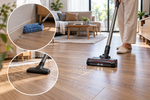


Vinyl flooring is a popular choice for homes because it comes in a wide range of designs and is relatively easy to maintain. However, using the wrong cleaning products or cleaning methods can gradually affect its surface, appearance, and durability.
The good news is that maintaining vinyl flooring does not require complicated equipment. A few simple habits can help keep the floor clean while reducing scratches, stains, and unnecessary wear.
Here are some practical tips worth following.
Small particles of sand, dust, and debris can create friction between the mop and the flooring surface. Over time, this may contribute to scratches and surface wear. A better routine is to:
When mopping:
A few simple precautions can help:
Curtains, blinds, or window coverings can help reduce direct solar exposure. It is also important to follow the flooring manufacturer's recommendations regarding temperature limits and installation conditions.
Regular dust removal, careful mopping, prompt stain treatment, and furniture protection can help preserve the appearance of the floor.
If you are looking for a more detailed maintenance guide, including daily cleaning steps, stain removal methods, and ways to reduce scratches, I have also put together a guide here:
Vinyl Flooring Cleaning and Maintenance Guide (Vietnamese-language article):
The article is written in Vietnamese, but it covers the cleaning and maintenance points in more detail.
What cleaning products do you usually use on vinyl flooring? Have you found any methods that help prevent dullness or scratches over time?
The good news is that maintaining vinyl flooring does not require complicated equipment. A few simple habits can help keep the floor clean while reducing scratches, stains, and unnecessary wear.
Here are some practical tips worth following.
1. Remove Dust and Dirt Before Mopping
One of the most common mistakes is mopping the floor without removing loose dirt first.Small particles of sand, dust, and debris can create friction between the mop and the flooring surface. Over time, this may contribute to scratches and surface wear. A better routine is to:
- Sweep the floor with a soft broom.
- Use a vacuum cleaner suitable for hard flooring.
- Pay extra attention to entrances and high-traffic areas.
- Place a doormat near exterior doors to reduce the amount of dirt brought indoors.
2. Use a Suitable Floor Cleaner
Not every household cleaning product is suitable for vinyl flooring. A neutral-pH floor cleaner specifically approved for vinyl or resilient flooring is generally a good starting point. Always check the product label and the flooring manufacturer's maintenance instructions.When mopping:
- Dilute the cleaning solution according to the label.
- Use a microfiber mop that has been properly wrung out.
- Avoid pouring cleaning solution directly onto the floor.
- Do not leave standing water on the surface or around joints.
- Allow the floor to dry before normal use.
3. Deal With Stains as Soon as Possible
Food spills, coffee, soft drinks, and cooking oil are easier to clean when addressed promptly. Use a soft cloth or paper towel to absorb the spill first. Then wipe the affected area with a damp microfiber cloth and a cleaner approved for your flooring. For more stubborn marks, avoid aggressive scrubbing, you need especially careful with:- Acetone and strong solvents.
- Abrasive scouring pads.
- Harsh bleach-based cleaners.
- Unapproved polishing products.
4. Protect the Floor From Furniture Scratches
Furniture legs are a common source of scratches on vinyl flooring. When chairs, tables, or cabinets are moved, their feet can create concentrated friction against the floor.A few simple precautions can help:
- Attach felt pads or suitable protective glides to furniture legs.
- Replace worn or damaged pads when necessary.
- Lift heavy furniture instead of dragging it across the floor.
- If moving heavy items requires a trolley, use suitable clean wheels that will not damage the surface.
5. Reduce Prolonged Exposure to Direct Sunlight
Long periods of direct sunlight and excessive heat may cause some vinyl flooring products to fade, discolor, or experience dimensional changes. This is particularly worth considering near large windows, glass doors, and areas exposed to strong afternoon sunlight.Curtains, blinds, or window coverings can help reduce direct solar exposure. It is also important to follow the flooring manufacturer's recommendations regarding temperature limits and installation conditions.
6. Avoid Leaving Cleaning Residue on the Surface
Sometimes a vinyl floor looks dull or develops streaks after cleaning. One possible reason is excessive cleaning solution or residue left behind on the surface. To avoid this:- Follow the recommended dilution ratio.
- Do not use more detergent than necessary.
- Rinse with clean water if the cleaning product instructions require it.
- Use a clean, well-wrung mop.
- Avoid applying wax or polish unless the flooring manufacturer specifically permits it.
Final Thoughts
Keeping vinyl flooring in good condition is mostly about using appropriate cleaning products and avoiding unnecessary friction, harsh chemicals, and prolonged exposure to heat.Regular dust removal, careful mopping, prompt stain treatment, and furniture protection can help preserve the appearance of the floor.
If you are looking for a more detailed maintenance guide, including daily cleaning steps, stain removal methods, and ways to reduce scratches, I have also put together a guide here:
Vinyl Flooring Cleaning and Maintenance Guide (Vietnamese-language article):
The article is written in Vietnamese, but it covers the cleaning and maintenance points in more detail.
What cleaning products do you usually use on vinyl flooring? Have you found any methods that help prevent dullness or scratches over time?