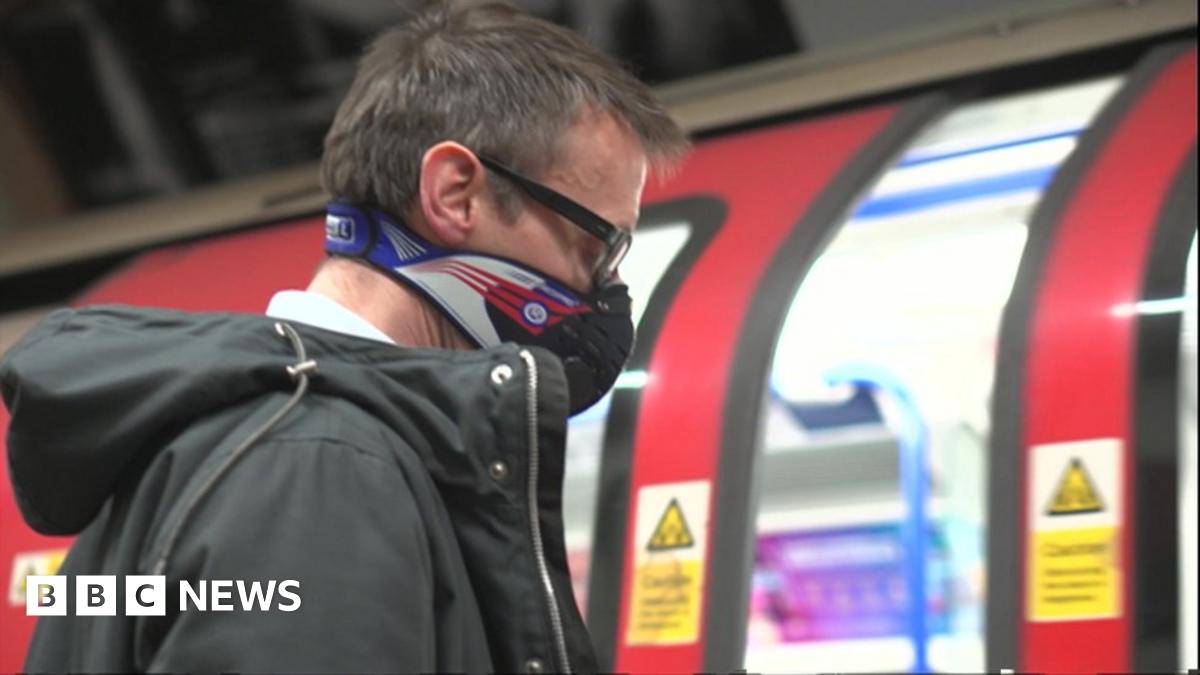
People don't spend every hour of every day living and working in one location next to a busy traffic junction. They move around, they travel, they commute, during which time they are exposed to many other sources of pm2.5, so they are not magically breathing in cleaner air all the time, they are still exposed to it, there's no escaping pollution when you cram 10 million people into an area the size of London.Except it didn't. It looked at air quality across a variety of locations. It analysed the pollutants. It tracked the sources. It went for the lowest hanging fruit first. Now we're in the happy position where we can start looking at other sources of poor air quality - which itself, is pretty good evidence that the system is working! (Or are you one of those who thinks gas hobs and brake dust were the problem all along and that road vehicles were never really a problem)? If so, why has it improved after targeting road vehicles?
They can exercise choice over where they decide to live.People can exercise choice over what they decide to eat (or smoke). They can't do that when it come to the air they breathe...
"Less than a year's notice"?! I'm curious... How long do you think the average person needs to make up their mind on how to vote?!
He did it without a mandate, and without giving individuals and businesses enough time to adjust to the change.
Bottom line, it cost people money. In some cases a lot of money, plus time and stress.
I'm not against the idea in principle, but it should've been done incrementally, over a period of time, instead of being forced through against people's will.