Can i block these off?

Joined
11 Jun 2016
Messages
333
Reaction score
17
Country
United Kingdom
Afternoon guys, looking for more advice please.

I did post about the inside of house in relation to where these outside vents/holes are, because i wasn't sure whether i had a damp/condensation problem or both.

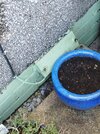
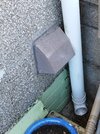
Are these here to bring air into the cavity or can i block them up?

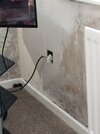
The 2nd photo is not very clear, but that is the plasterboard (i think) on living room wall. I'm sure that shouldn't be that open, should it?

I found a damp area more or less where it hits the plasterboard & lot's of condensation nearby. Could that be the cause of damp patch?

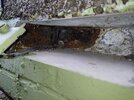
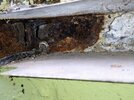
3/4/5 photo, what's it's purpose? The outside aerial cable goes in there & up a conduit to living room. You can feel a draught from where the cable comes out of wall.

Any ideas much appreciated
 

Attachments

  • IMG_20221216_132814.jpg
    IMG_20221216_132814.jpg
    537 KB · Views: 80
  • IMG_20221216_124953.jpg
    IMG_20221216_124953.jpg
    115.9 KB · Views: 65
  • IMG_20221216_132823.jpg
    IMG_20221216_132823.jpg
    562.7 KB · Views: 65
  • IMG_20221216_124733.jpg
    IMG_20221216_124733.jpg
    358.7 KB · Views: 64
  • IMG_20221216_124749.jpg
    IMG_20221216_124749.jpg
    323.2 KB · Views: 61
  • 16712022053944603325249991881186.jpg
    16712022053944603325249991881186.jpg
    260 KB · Views: 67
Vents are for gas burning appliances.
You have any that needs vents?
Thermalite blocks I use on inside for the insulation. Don't want cold spot.
Bricks or concrete block outside.
 
Vents are for gas burning appliances.
You have any that needs vents?
Thermalite blocks I use on inside for the insulation. Don't want cold spot.
Bricks or concrete block outside.
We have a living flame gas fire in the same room, that discharges to the chimney. The flu hasn't been inspected thou.

Would that change what i can do?
 
OP,
If you have a suspended floor then any Air Brick below the FFL must remain open to provide venting for the floor.
Any air brick or vent terminal above the FFL is often used to supply make up air for a gas appliance that requires make up air. There are other possibilities so:
Why not get an opinion from a GasSafe for your situation?
 
OP,
If you have a suspended floor then any Air Brick below the FFL must remain open to provide venting for the floor.
Any air brick or vent terminal above the FFL is often used to supply make up air for a gas appliance that requires make up air. There are other possibilities so:
Why not get an opinion from a GasSafe for your situation?
Hi tell80, don't know what FFL means. We have concrete floor thou. GasSafe is a option too.
 
OP,
you dont seem able to google FFL so why should you trust yourself where gas is concerned?
Dont pennypinch get the GasSafe and show him/her the pics above.
 
OP,
you dont seem able to google FFL so why should you trust yourself where gas is concerned?
Dont pennypinch get the GasSafe and show him/her the pics above.
tell80. I can Google quite readily thanks. You should have made it a bit clearer to me, as for gas never have anything to do with it.

What makes you think I trust myself where it's concerned?
 
Ideally the fire installer would have conducted a 'spill test' - in other words the efficiency of the chimney concerned.
For natural flame appliances the output has to be externally vented if over 5kW - my own new LPG installation with an output of 4kW max relies on normal draught within the room.
Ideally large appliances draw their combustion air from outside, to prevent a gale in the room.
I would recommend the testing of any oxygen depletion sensors if they are fitted within the fire....these shut off the gas if the flue isn't drawing well and this is sometimes likely if the air in the flue is cold and dense.
I'd certainly block up the cable holes though!
John :)
 
tell80. I can Google quite readily thanks. You should have made it a bit clearer to me, as for gas never have anything to do with it.

What makes you think I trust myself where it's concerned?
Well said. FFL is finished floor level. Tell would rather tell you off than tell you a straight answer, bless him.
 
Ideally the fire installer would have conducted a 'spill test' - in other words the efficiency of the chimney concerned.
For natural flame appliances the output has to be externally vented if over 5kW - my own new LPG installation with an output of 4kW max relies on normal draught within the room.
Ideally large appliances draw their combustion air from outside, to prevent a gale in the room.
I would recommend the testing of any oxygen depletion sensors if they are fitted within the fire....these shut off the gas if the flue isn't drawing well and this is sometimes likely if the air in the flue is cold and dense.
I'd certainly block up the cable holes though!
John :)
It was installed before we bought the property. Found the instructions for fire & no purpose built ventilation is required. It has an oxygen depletion sensor on it, can't seem to find out in the instructions how to test it out thou.
 
It’s beyond my remit to test for oxygen depletion I’m afraid, all I know is that the flame goes out which closes the thermocouple on the gas valve.....common enough, that one and it’s obvious if the thermocouple is working ok.
For sure, I’d tend to rely heavily on CO detectors and have two installed in the recommended positions.
John
 

If you need to find a tradesperson to get your job done, please try our local search below, or if you are doing it yourself you can find suppliers local to you.

Select the supplier or trade you require, enter your location to begin your search.


Are you a trade or supplier? You can create your listing free at DIYnot Local

 
Back
Top