- Joined
- 19 Jan 2024
- Messages
- 49
- Reaction score
- 6
- Country


IIRC if the situation with the cutout is deemed unsuitable for live-working they will usually dig up the service cable and cut it to isolate the cutout.Live, of course (no way to isolate without cutting power to the whole street).
The worse bit of diy wiring I’ve ever seen was when we moved into a new council house with a garden in the early seventies. I was about 14 at the time. My dad went out and bought a secondhand 'home made' electric lawnmower from someone who lived in a block of flats. It was basically a cylinder push lawnmower that the bloke had mounted an electric motor on to, welded a couple of pulleys on it and connected them with a fan belt. However, the cable coming out of the motor (no switch, just connect up and go) went to a single socket outlet bolted to a piece of wood on the handle. Consequently, the extension lead had a three pin plug at either end! My dad was excitedly setting it up when he got it home and told me to plug it in indoors when I noticed that and told him it was dangerous. He told me not to be silly and touched the pins at his end and promptly got an electric shock. He still used it after that but plugged the lawnmower end of the cable in first!
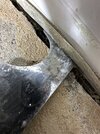
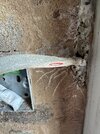
Was the cable in the electrical safe zone? If so, why did you cut in a safe zone where there are likley to be electrical cables?It was all going so well!I've removed the old plaster in my hallway back to the brick in places, and filled all round the edges with foam, mortared the old brickwork and I was just trimming the excess foam off and bzzzzzzt, right up my arm. I feel OK, index finger is a bit hot, and no sign of anything else going on, but that was close!
Whoever wired this up (Wasn't me), has wedged the cable between the front door frame and the plaster/brickwork so only the very edge is visible. There's some kind of thick rubberised (might be tar) sheet and I thought this cable was that, and just trimmed it, as I have done a few times this week .I'm going to need to fix this length of cable before my plasterboard goes on. Should be OK with a simple low profile junction box and remove the damage and joint back together? Any recommendations for a flat as possible junction box, or other ways to rejoin the cable safely, long term, that are low profile, as in under 20mm if possible?

Not unless an electrical safe zone is stuffed between the upvc front door frame and the top layer of plaster? This is a 70+ year old house and the wiring is probably late 80s, so there are no zones that fit with today's regs, as far as I'm aware? Plug sockets are low to the floor, wiring is all the old colours, electricity meter is from the 70s, an old Feranti one that spins. As I said in the OP, the cable was just below the surface, mostly, with a very small amount, occasionally appearing for a few mm at a time, it had been painted many times over the years, had plaster on and more, so was well camouflaged, but the thing that got me, was that there was also a thick, bitumen type membrane in there, too, and I thought that I was trimming that.Was the cable in the electrical safe zone? If so, why did you cut in a safe zone where there are likley to be electrical cables?

If you need to find a tradesperson to get your job done, please try our local search below, or if you are doing it yourself you can find suppliers local to you.
Select the supplier or trade you require, enter your location to begin your search.
Are you a trade or supplier? You can create your listing free at DIYnot Local