• Looking for a smarter way to manage your heating this winter? We’ve been testing the new Aqara Radiator Thermostat W600 to see how quiet, accurate and easy it is to use around the home. Click here read our review.

Hearth issue - damp and mould

Joined
28 Aug 2025
Messages
5
Reaction score
0
Country
United Kingdom
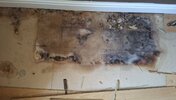
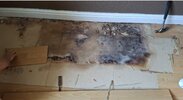
We have a serious patch of damp in our dining room where the old fire used to be, it also goes around the skirting, the rest of the floor is a bitchumin surface so hard for moisture to penetrate.

The chimney has been capped as no longer in use but the vent in the room was blocked for years. its now been unblocked for about 3 months.

The housing association seem to think the chimney is the cause possibly due to leak or condensation inside the chimney but I've had someone say it could be rising damp coming up through the hearth and also around the skirtings?

The vent was taken off and the lad said it was bone dry inside but couldn't touch the floor or lower internal walls to feel them, the roofers said the chimney looks good from inside the attic and there is no damp on any of the walls but the mortar on the chimney externally has some holes in it and all needs repointed.

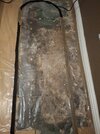
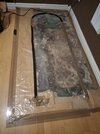
The plastic covering was placed there as there was a posible asbestos issue so I wanted it covered, I have removed it today.

We have had a really dry summer yet the patch has remained damp so would it really be the chimney causing the problem?

Any thoughts would be appreciated
 

Attachments

  • damp 1.jpg
    damp 1.jpg
    272.2 KB · Views: 37
  • damp 2.jpg
    damp 2.jpg
    264.8 KB · Views: 34
  • damp covered 2.jpg
    damp covered 2.jpg
    322 KB · Views: 31
  • damp covered.jpg
    damp covered.jpg
    257.9 KB · Views: 32
So there's an empty cavity in the wall where the vent is, and that's the old chimney right?

The old hearth from the chimney has been left in place in the room and then the flooring laid on top?

It seems quite plausible that water is coming down the chimney, possibly pooling at the bottom, and getting higher than the old hearth. The water is then able to run over the hearth from the chimney, and that is causing the damp issue.

The alternative is that water is being drawn up through cracks in the old hearth, as this isn't fully sealed against water, whereas the rest of the room will be if there is a bitumen covering. So this explanation would be plausible too.
 
So there's an empty cavity in the wall where the vent is, and that's the old chimney right? Yes

The old hearth from the chimney has been left in place in the room and then the flooring laid on top? Yes

It seems quite plausible that water is coming down the chimney, possibly pooling at the bottom, and getting higher than the old hearth. The water is then able to run over the hearth from the chimney, and that is causing the damp issue.

The alternative is that water is being drawn up through cracks in the old hearth, as this isn't fully sealed against water, whereas the rest of the room will be if there is a bitumen covering. So this explanation would be plausible too.

Hi

Thanks for the reply, the answer to your first 2 points is yes.

What I dont understand is surely there cant be that amount of water coming down the chimney as there are no signs of damp on any internal walls from upstairs to down, its all just on the floor shown in the photos, also considering how dry this summer has been and the lad saying the chimney felt bone dry when he placed his hand through the vent would there not be some signs of damp or wetness on the walls and inside the vent? He removed the vent btw then fitted another.

I appreciate the help btw

Thanks again
 
It’s not uncommon for the constructional hearth to bridge the dpc and/or not have its own protective membrane, so damp from this source should be investigated and the hearth removed or re constructed as appropriate
 
What I dont understand is surely there cant be that amount of water coming down the chimney as there are no signs of damp on any internal walls from upstairs to down, its all just on the floor shown in the photos, also considering how dry this summer has been and the lad saying the chimney felt bone dry when he placed his hand through the vent would there not be some signs of damp or wetness on the walls and inside the vent? He removed the vent btw then fitted another.

It may be dry in the chimney at the moment, because we are in Summer and have had prolonged hot weather. However, during long periods of rainy weather, it's still possible that the bottom of the chimney is getting very wet and the resulting water ingress into the room is causing the damp problem.

To my mind, it can only be two things, i.e. a chimney leak, or ground water coming up. To solve the problem, preventative measures should be taken on both.
 
The house is rented from local housing association and they seems to think its the chimney and I honestly dont think they will remove the hearth, if so would I be able to place a membrane down on top after cleaning it all and then lay new insulation and laminate or would this cause problems?

I just dont want to lay new laminate only for it to get ruined again after a while all because the housing association wont lift and replace the hearth.

Thanks
 
1) So the way the floor was laid, was it some sort of board put directly onto the hearth stones, and then overlaid with laminate?

2) Is the board soaking wet?

3) Where you have dampness in the skirting board, where is it positioned in relation to the old chimney?

4) Could water be coming down through the old brickwork of the chimney? Is there any dampness up the wall? You could consider hiring a thermal imaging camera to take pictures of the wall and maybe any walls above the room, as this would show you if there is moisture in the wall from the colder temperature.

5) From the pictures of the hearth stones, there don't appear to be any gaps between the stones that would allow water ingress up from beneath the stones. My view is therefore it's more likely water coming in above the stones from the chimney space or down the walls.

The pattern of damp formation will also tell you something about where the water is coming from. You could put down some cardboard or similar and see where the damp appears first and this will tell you something.

These are just my thoughts and I'm sure more people will comment.
 
The house is rented from local housing association and they seems to think its the chimney and I honestly dont think they will remove the hearth, if so would I be able to place a membrane down on top after cleaning it all and then lay new insulation and laminate or would this cause problems?

I just dont want to lay new laminate only for it to get ruined again after a while all because the housing association wont lift and replace the hearth.

Thanks
You could try a membrane making sure it overlaps the sides and into the wall above dpc level
 
1) So the way the floor was laid, was it some sort of board put directly onto the hearth stones, and then overlaid with laminate?

2) Is the board soaking wet?

3) Where you have dampness in the skirting board, where is it positioned in relation to the old chimney?

4) Could water be coming down through the old brickwork of the chimney? Is there any dampness up the wall? You could consider hiring a thermal imaging camera to take pictures of the wall and maybe any walls above the room, as this would show you if there is moisture in the wall from the colder temperature.

5) From the pictures of the hearth stones, there don't appear to be any gaps between the stones that would allow water ingress up from beneath the stones. My view is therefore it's more likely water coming in above the stones from the chimney space or down the walls.

The pattern of damp formation will also tell you something about where the water is coming from. You could put down some cardboard or similar and see where the damp appears first and this will tell you something.

These are just my thoughts and I'm sure more people will comment.
I'll reply to this later as I need to rush out, I'll have more time to answer in depth

Thanks
 
1) So the way the floor was laid, was it some sort of board put directly onto the hearth stones, and then overlaid with laminate? Yes Its called fibreboard and is laid under laminate for insulation

2) Is the board soaking wet? It wasn't soaking wet but very damp and mouldy

3) Where you have dampness in the skirting board, where is it positioned in relation to the old chimney? It goes around along the chimney wall and then onto the external wall to the left, if you look top left of the first image you can see the damp going along the bottom of the skirting, its like that around the walls mentioned.

4) Could water be coming down through the old brickwork of the chimney? No idea tbh? The roofers did say the mortar needed repaired but the chimney is capped? Is there any dampness up the wall? No damp on any walls that the chimney is connected to from upstairs to down. You could consider hiring a thermal imaging camera to take pictures of the wall and maybe any walls above the room, as this would show you if there is moisture in the wall from the colder temperature. I'll mention this to the housing association but I won't hold my breath for them to do it.

5) From the pictures of the hearth stones, there don't appear to be any gaps between the stones that would allow water ingress up from beneath the stones. My view is therefore it's more likely water coming in above the stones from the chimney space or down the walls. No idea if this is the case but again would there not be damp down the walls? I'm not sure how a chimney is constructed or how thick the walls are so if water was coming down would it eventually cause damp on the walls due to soaking through the brickwork overtime?

The pattern of damp formation will also tell you something about where the water is coming from. You could put down some cardboard or similar and see where the damp appears first and this will tell you something. Thats actually an interesting idea, I'll do that tomorrow when I get some cardboard from somewhere.

These are just my thoughts and I'm sure more people will comment.

The housing association roofers are coming next week to drop the chimney to below the roof level and then felt and tile over so I wonder if there would be a way of telling if the chimney is the issue once they have taken the brickwork to below roof level? Thanks for the reply
 

If you need to find a tradesperson to get your job done, please try our local search below, or if you are doing it yourself you can find suppliers local to you.

Select the supplier or trade you require, enter your location to begin your search.


Are you a trade or supplier? You can create your listing free at DIYnot Local

 
Back
Top