You're slowBut you're married to an Irishwoman.
 As I wrote (8 pages ago, in post #84), my wife is half-Irish, but was born in England and has spent her entire life in England (and never has had the slightest hint of an Irish accent).
You're slowBut you're married to an Irishwoman.
As I wrote (8 pages ago, in post #84), my wife is half-Irish, but was born in England and has spent her entire life in England (and never has had the slightest hint of an Irish accent).
I didn't read the thread - I just never forget anything.You're slow
You must have read some of itI didn't read the thread - I just never forget anything.
No confusion whatsoever.
Well yes that is somewhat confusing and fails to explain the 'loose convention' why the direction the audio flows was changed from conventional to: audio flows from the male to the female, and completely fails to mention when XLRs are used for loudspeakers it flows from female to male as was the original standard for audio such as microphones.
I understand your thinking, but I reckon this is a pretty grey are, since my thinking about 'gender identification' tends to be a little different ....No confusion whatsoever.
I believe my original description still applies, I accept that some of the pins are of a male design and some appear to be famale as they are hollow and go over the mating part, but the left has distinct pins sticking out whereas the metal parts are enclosed in the right. .... Accordingly I have no hesitation describing the left as male and therefore the plug and the right as female anf therefore the socket.

Because that is what it is. A socket my friend.
Well yes I can sympathise with that view I will admit that.Not the least because it is clear that different people may think differently, I personally would not us the words 'male' and 'female' in relation to such connectors, because I would not be confident that everyone would understand my meaning.View attachment 395204
I'm not so sure about the 'free' one but as for the other, I don't think I've ever heard anyone talking about a "panel-mounted plug", have you?Because that is what it is. A socket my friend.
Quite so - sometimes prudent, but sometimes 'essential' ("I went to B&Q to buy a socket")Well yes I can sympathise with that view I will admit that. ... It is one of those cases where if easy to define the is unlikely to be a problem but in some cases it is prudent to add some clarification
When (quite late in life) I started thinking about the "I before E...." that had been drummed into us) it seemed that there might well be moire exceptions to, rather than conformities with, that 'rule', lots of things in life have that "sometimes" problem (I before E except after C becomes one simple example)
He’s got a good memory like meYou must have read some of it
Yes, but he only needed a couple of days or so of memory in this case, since he was responding to (and quoting) a message I posted in tis thread - so, as I said, although he claimed that he "had not read the thread", he must have read some of itHe’s got a good memory like me
ThisBecause that is what it is. A socket my friend.
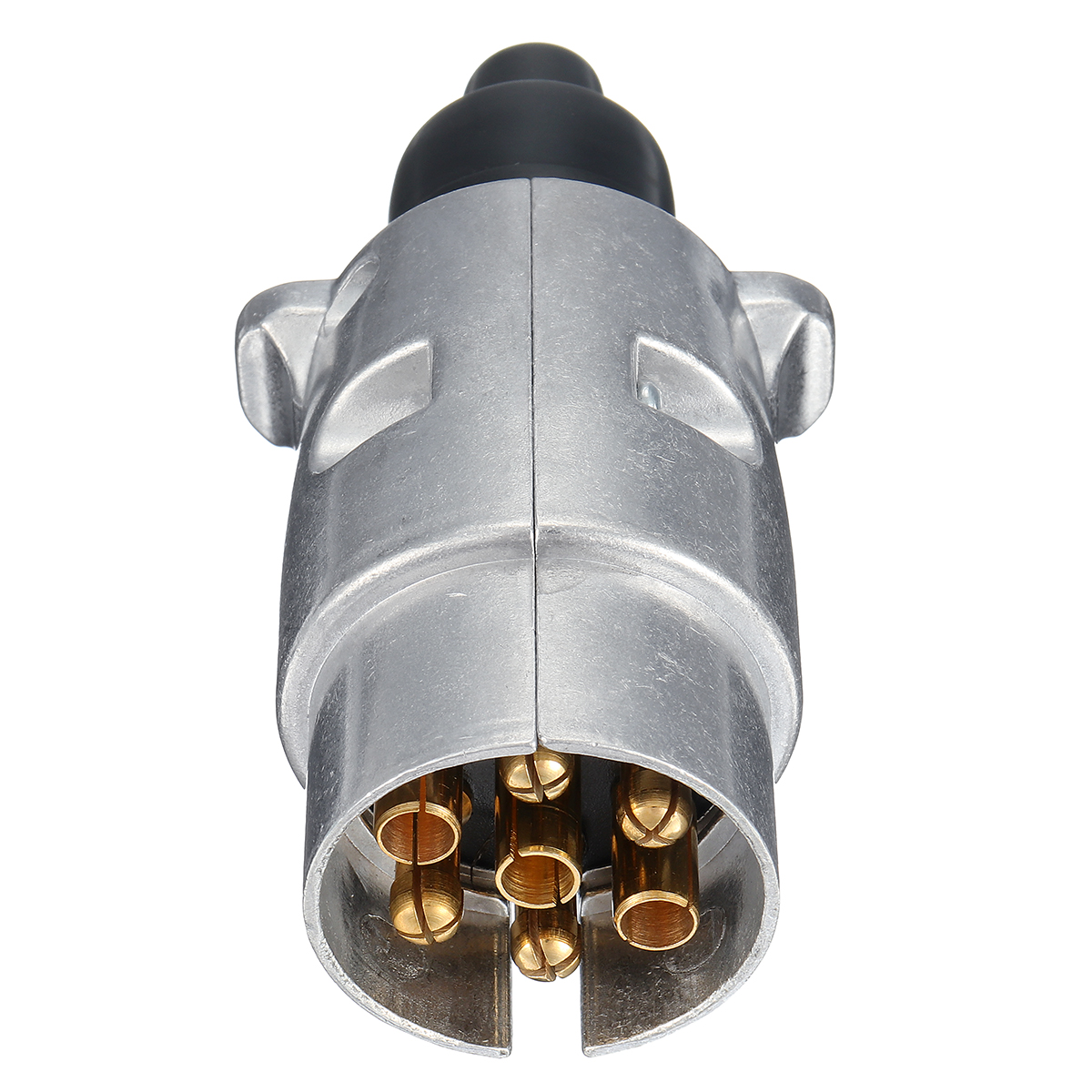
The automative and towing communities have no problems, Try googling for images of trailer plug, then trailer socket.I understand your thinking, but I reckon this is a pretty grey are, since my thinking about 'gender identification' tends to be a little different ....
.... in deciding whether an electrical connector is male or female I tend not to consider 'what is (or is not) 'sticking out' but, rather (and as per the biological origins) what (metal) parts go inside what other (metal) parts. Thinking that way,I would regard the ones you have illustrated as 'hermaphrodites' because, although the protruding (hollow) metal things on the left go inside the hole in the plastic in the right one, the go outside the metal parts of the right one (i.e. those metal parts of the right one 'go inside' of the (hollow & sticking out) bits of the left one.
Not the least because it is clear that different people may think differently, I personally would not us the words 'male' and 'female' in relation to such connectors, because I would not be confident that everyone would understand my meaning.
I think you are merely illustrating the problems - which can arise both with plugs/sockets and male/female.This ......... is a socket? ..... In that case, what is this ? .... and this ..... ?

If you need to find a tradesperson to get your job done, please try our local search below, or if you are doing it yourself you can find suppliers local to you.
Select the supplier or trade you require, enter your location to begin your search.
Are you a trade or supplier? You can create your listing free at DIYnot Local