• Looking for a smarter way to manage your heating this winter? We’ve been testing the new Aqara Radiator Thermostat W600 to see how quiet, accurate and easy it is to use around the home. Click here read our review.

Insulation - 1930s Bitumen felt roughcast rendered 1st floor bay wall

Joined
14 Mar 2025
Messages
10
Reaction score
0
Country
United Kingdom
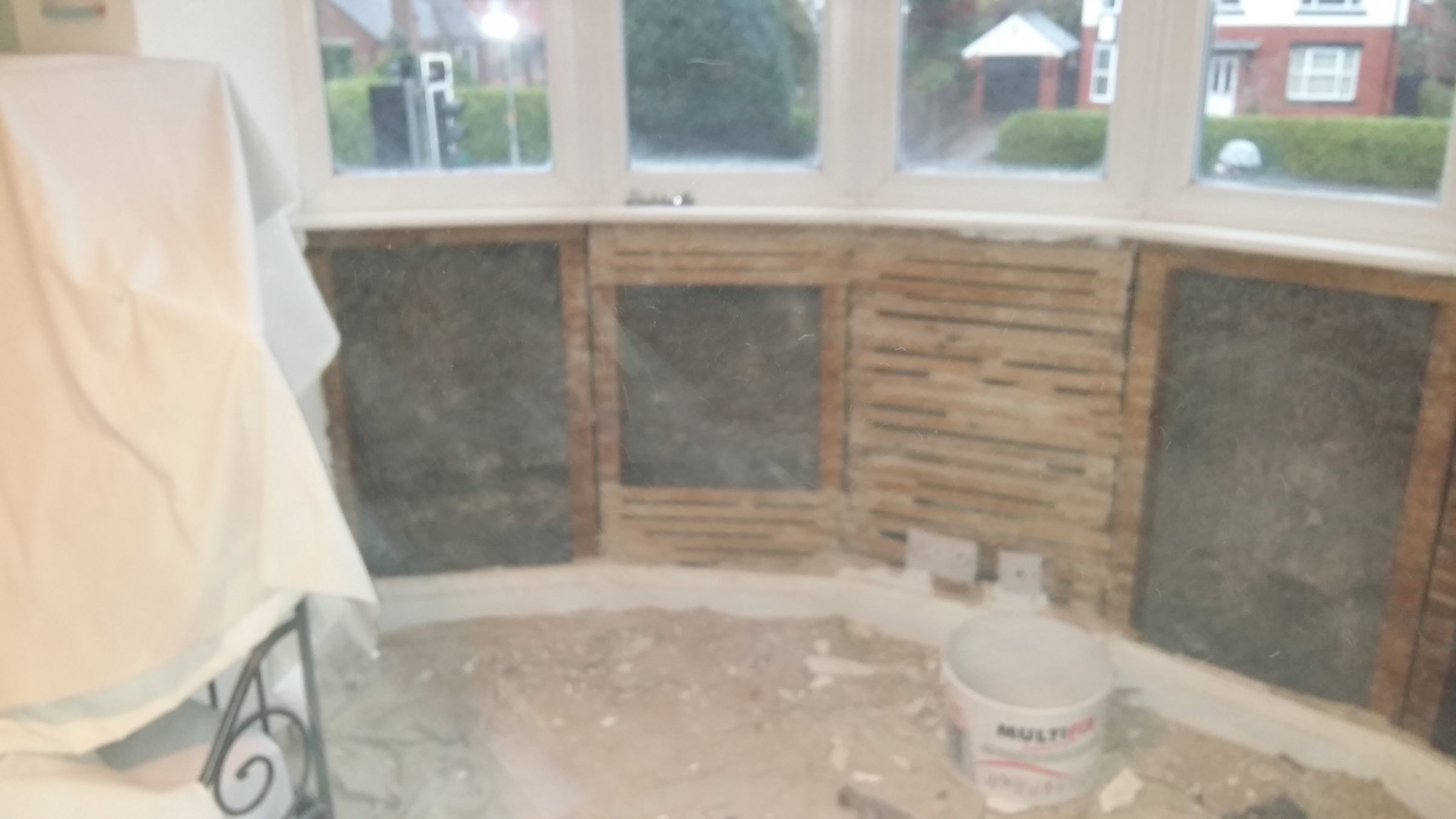
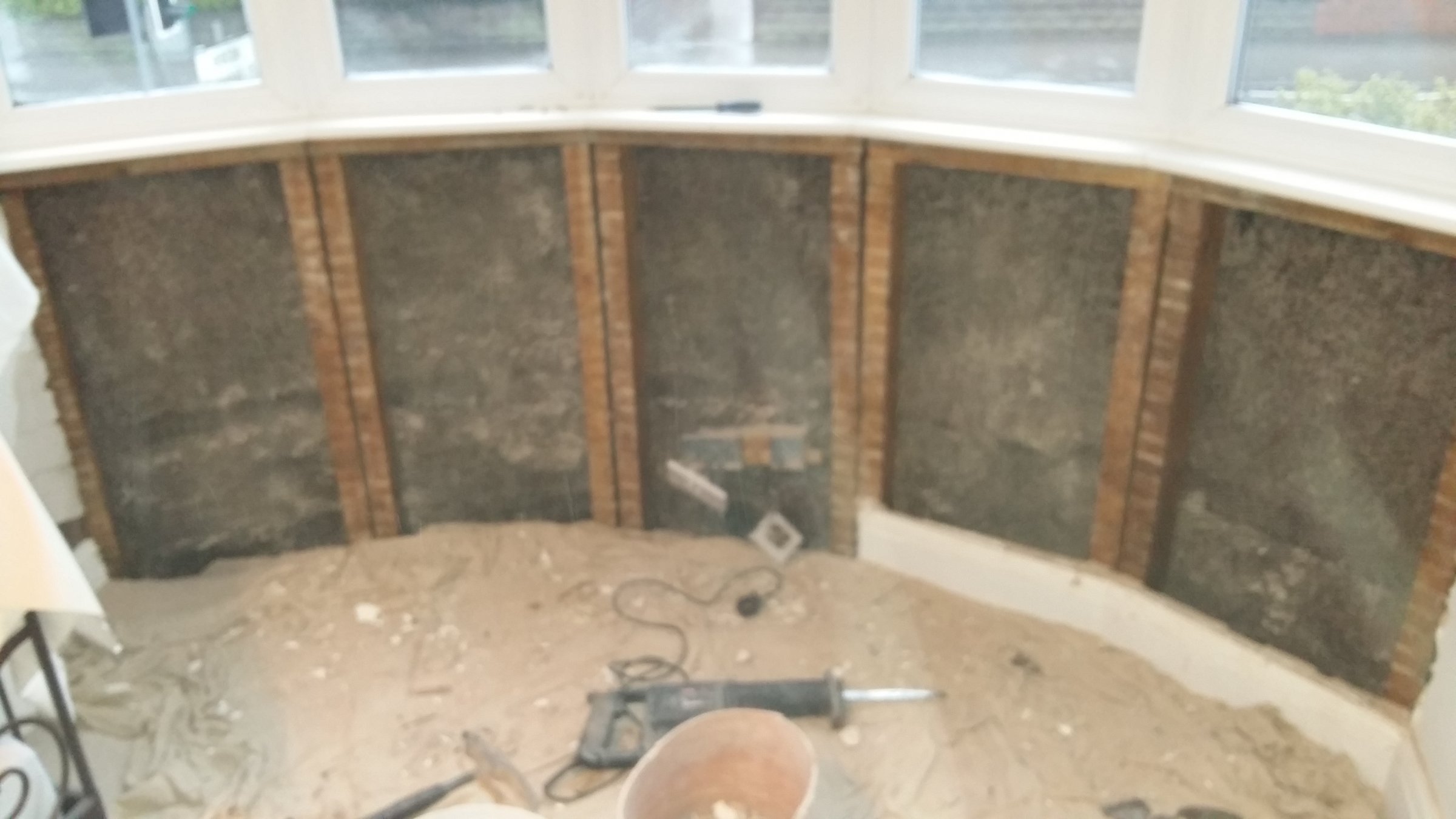
Hi all another one of many insulation threads. I have gotten pretty lost and have struggled searching for insulating information, when dealing with a non-breathable, vapour closed bitumen-like felt membrane. I believe the bay wall is felt with a roughcast rendered finish, no bricks.
bay smaller (1).jpg

WhatsApp Image 2025-09-29 at 20.59.33 smaller (3).jpg

WhatsApp Image 2025-09-29 at 20.59.34 smaller .jpg


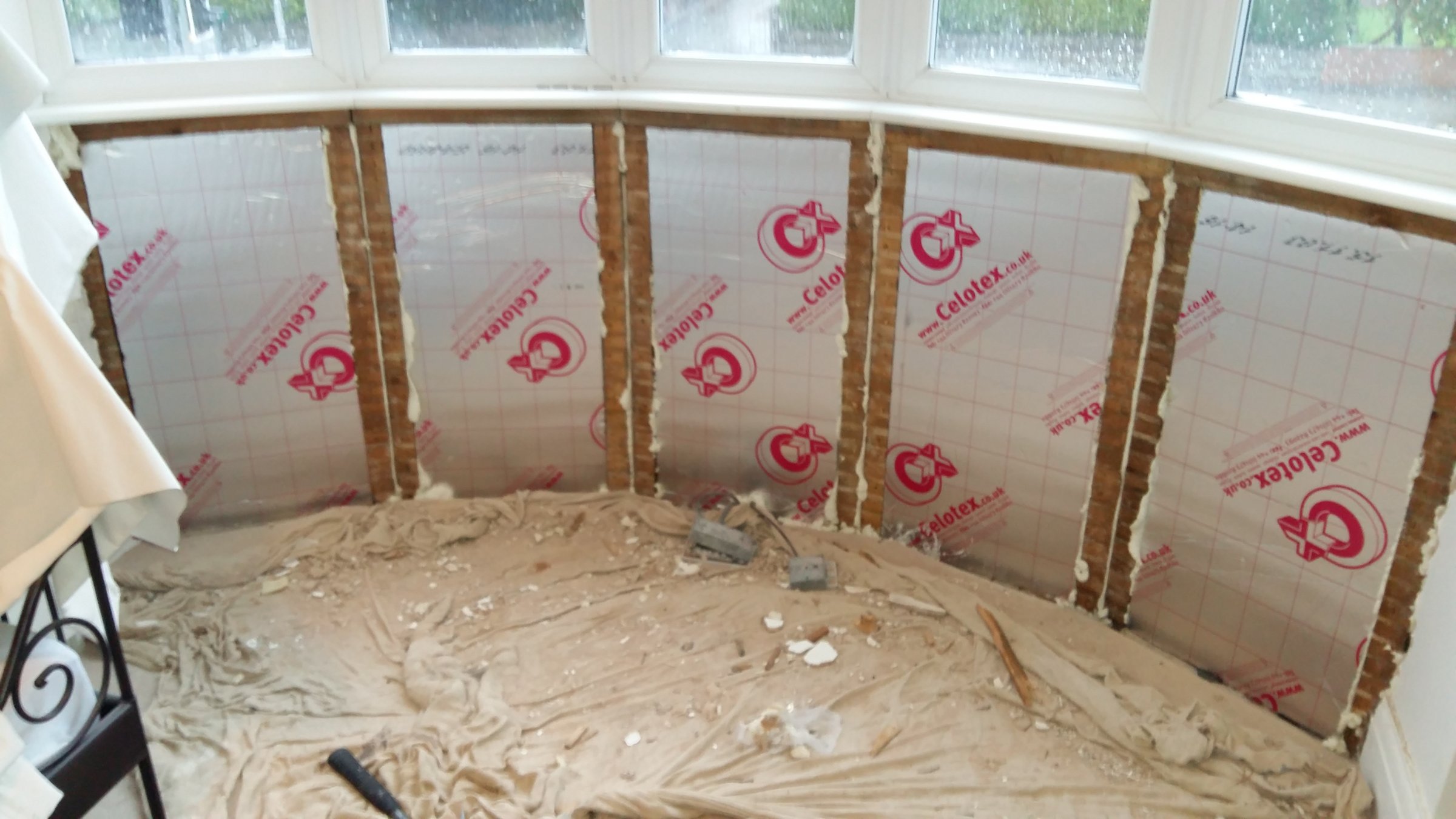
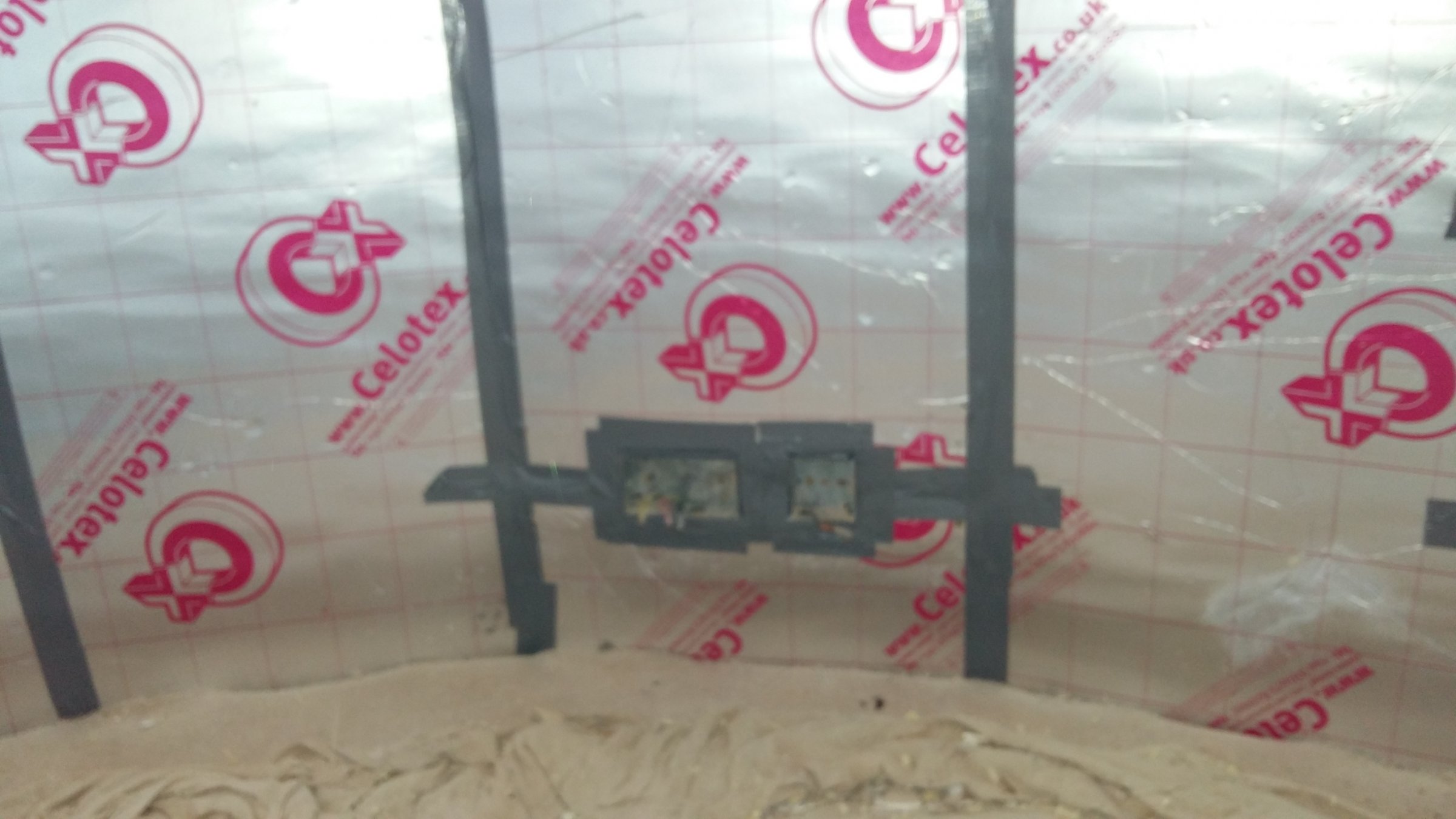
1) Bay lip - PIR triangles/wedges (foil to warm side); foam edges; foil-tape warm-face seams.
2) between outer vertical studs 1st layer at cold side - the vertical beam thickness / space from horizontal beam to DPM is 90 mm.
- Full fill so the PIR is against the DPM OR leave air gap (20-25 mm)?
- If "full fill" - the DPM bulges at points, with a 90mm board should I scribe into the board to account for DPM bulges or achieve 85 mm thickness (60 mm + 25 mm PIR).
- 4mm air gap on cold side okay?
- finish with perimeter foam and tape

3) interframe thermal break with rock wool 25-40 mm - so there is no foil on foil space that is breathable
1759599312050.png

4) PIR board over bay void plasterboard (below room ceiling)
1759599811808.png

5) second frame with PIR
6) VLC bay wall insulation
7) infil void with rock wool up to floor board
8) VLC below flooring -
with tapered 3 mm OSB between floor joists then taped osb and tape edges or air tight membrane, then floor down down.
8) plasterboard

The non-breathable membrane has really confused me. I had originally wanted to rock wool the entire space (previously posted here).
 
The non-breathable membrane has really confused me
You're entire post is confusing, you seem to have covered the details to as fine a point as possible.
Bottom line, keep the insulation continuous, between and over the studs and it will be ok. Ensure there's a vapour barrier of sorts on the warm side.
 
You're entire post is confusing, you seem to have covered the details to as fine a point as possible.
Bottom line, keep the insulation continuous, between and over the studs and it will be ok. Ensure there's a vapour barrier of sorts on the warm side.
Sorry, the presence of the impermeable membrane which has bulges (so not a smooth flat surface) has confused me.

Firstly, does the cold side need an air gap or not?
1) 85 mm PIR board to account for bulges
OR
2) 70 mm PIR which gives about 19mm of air gap.

Secondly, stick primarily with PIR?
 
No need for an air gap, but the bulges will likely be the back of the render, or the expanded metal mesh that's been pushed in.
You don't want anything pressing against this as you might end up cracking the render (unlikely if it's been applied correctly but don't risk it)
Don't waste time scribing the board (assume you mean scooping bits from the outer face of the board to accommodate the render?)

PIR will give the best thermal performance.

You've got no window board to limit the depth, so go as deep as you like. Try to avoid buying different thicknesses of board as you'll end up with a load of offcuts which justs wastes money.

Tbh just going with 70mm or 80mm board with a 37.mm insulated plasterboard over the top will sort you out.
 
Hi all another one of many insulation threads. I have gotten pretty lost and have struggled searching for insulating information, when dealing with a non-breathable, vapour closed bitumen-like felt membrane. I believe the bay wall is felt with a roughcast rendered finish, no bricks.
View attachment 394562
View attachment 394563
View attachment 394565

1) Bay lip - PIR triangles/wedges (foil to warm side); foam edges; foil-tape warm-face seams.
2) between outer vertical studs 1st layer at cold side - the vertical beam thickness / space from horizontal beam to DPM is 90 mm.
- Full fill so the PIR is against the DPM OR leave air gap (20-25 mm)?
- If "full fill" - the DPM bulges at points, with a 90mm board should I scribe into the board to account for DPM bulges or achieve 85 mm thickness (60 mm + 25 mm PIR).
- 4mm air gap on cold side okay?
- finish with perimeter foam and tape

3) interframe thermal break with rock wool 25-40 mm - so there is no foil on foil space that is breathable
View attachment 394568
4) PIR board over bay void plasterboard (below room ceiling)
View attachment 394571
5) second frame with PIR
6) VLC bay wall insulation
7) infil void with rock wool up to floor board
8) VLC below flooring -
with tapered 3 mm OSB between floor joists then taped osb and tape edges or air tight membrane, then floor down down.
8) plasterboard

The non-breathable membrane has really confused me. I had originally wanted to rock wool the entire space (previously posted here).
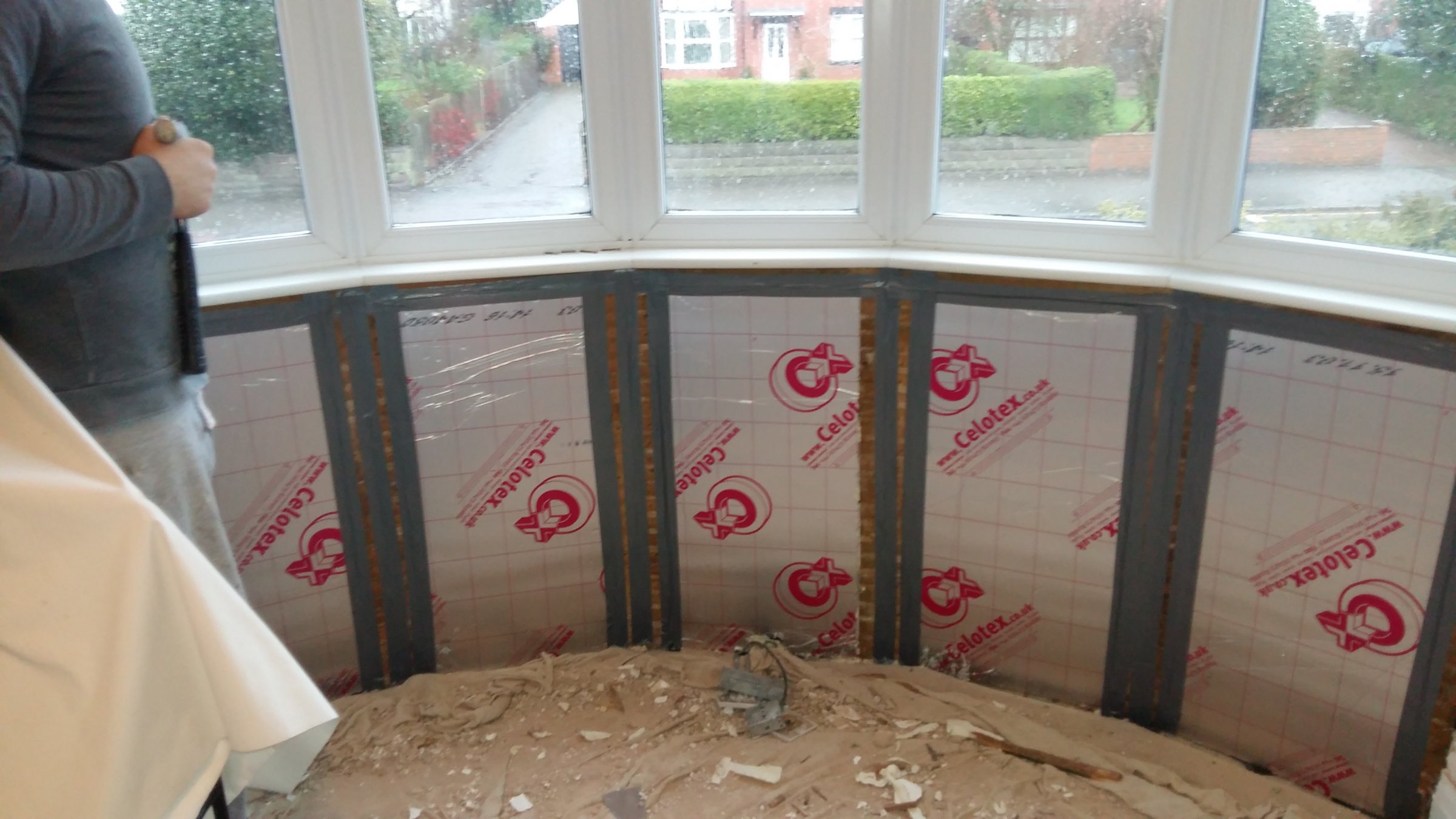
The importance here is vapour control. Foil tape the bejeezus out of both layers and use foil backed plasterboard.


Last edited:
The importance here is vapour control. Foil tape the bejeezus out of both layers and use foil backed plasterboard.


Thank you! I have seen this floating around and found it very helpful!
 
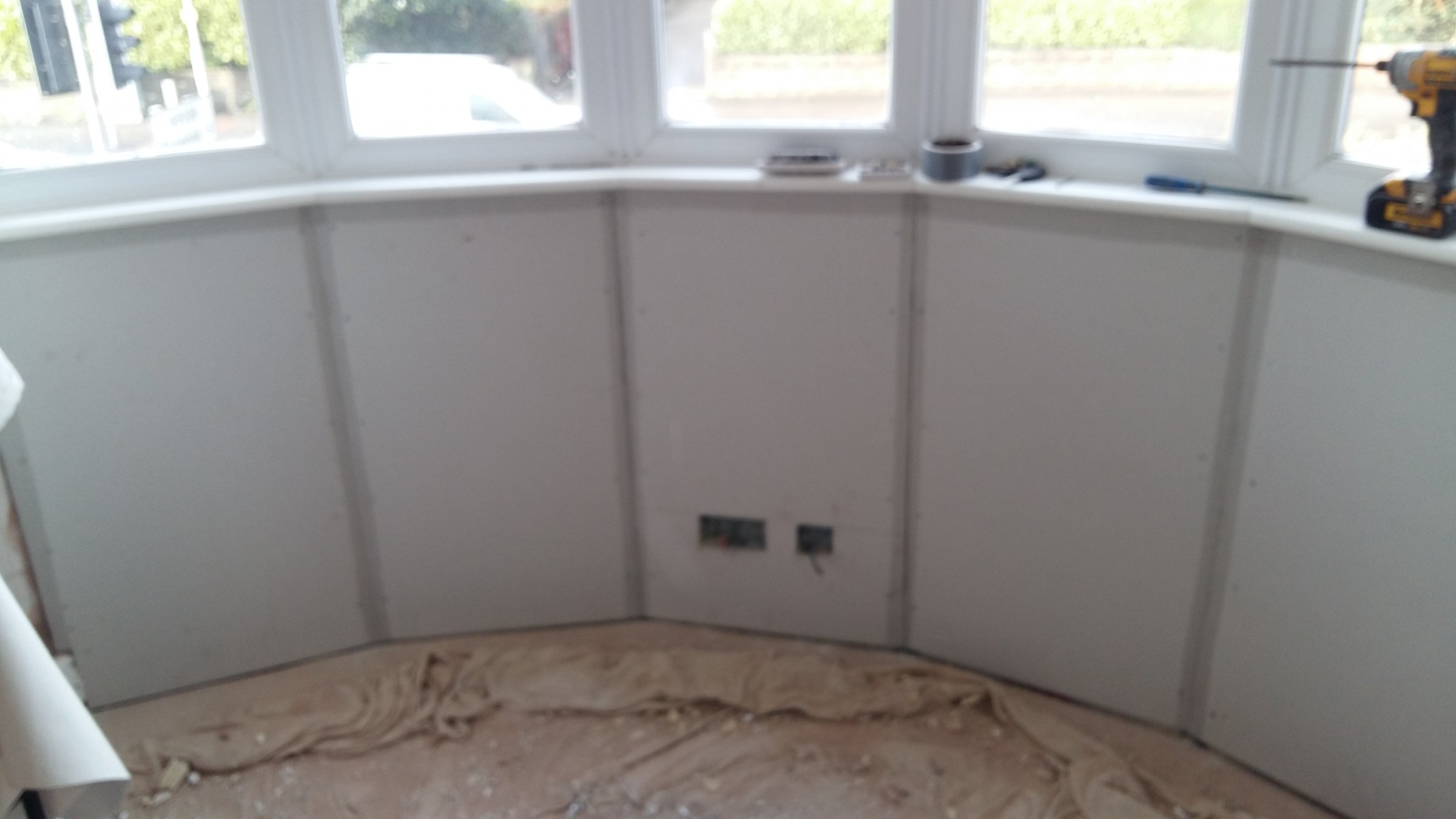
Update. First layer of PIR is in.

Either side of the bay area and below void space is a joining cavity wall. Should this be capped/sealed?
 

Attachments

  • ACBEB27B-57B8-4F18-8821-A6CDE4E7F490.jpeg
    ACBEB27B-57B8-4F18-8821-A6CDE4E7F490.jpeg
    408.3 KB · Views: 10
  • CA6F5EEC-3397-49CA-B97C-56E24CA53D15.jpeg
    CA6F5EEC-3397-49CA-B97C-56E24CA53D15.jpeg
    416.8 KB · Views: 11

If you need to find a tradesperson to get your job done, please try our local search below, or if you are doing it yourself you can find suppliers local to you.

Select the supplier or trade you require, enter your location to begin your search.


Are you a trade or supplier? You can create your listing free at DIYnot Local

 
Back
Top