just cheaking load bearing wall /walls

Joined
26 Feb 2014
Messages
9
Reaction score
0
Location
Bristol
Country
United Kingdom
pics which i hope will explain what i need


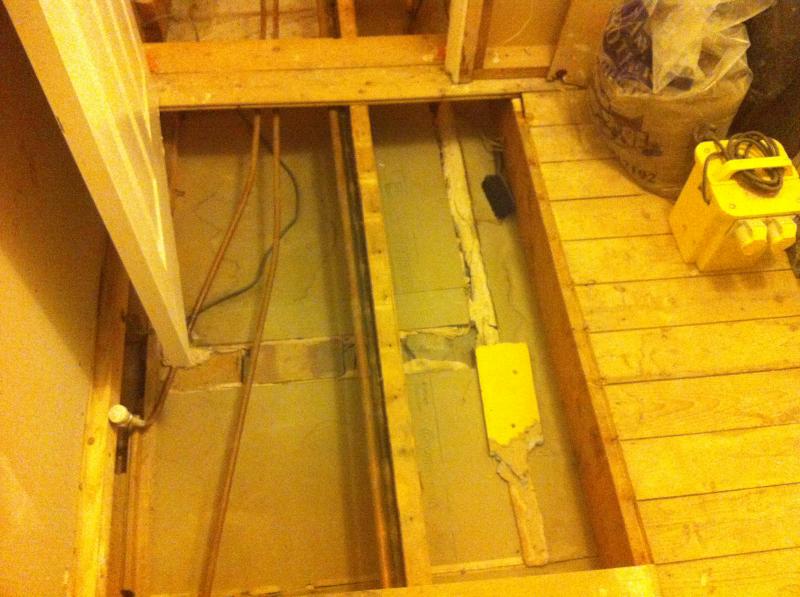
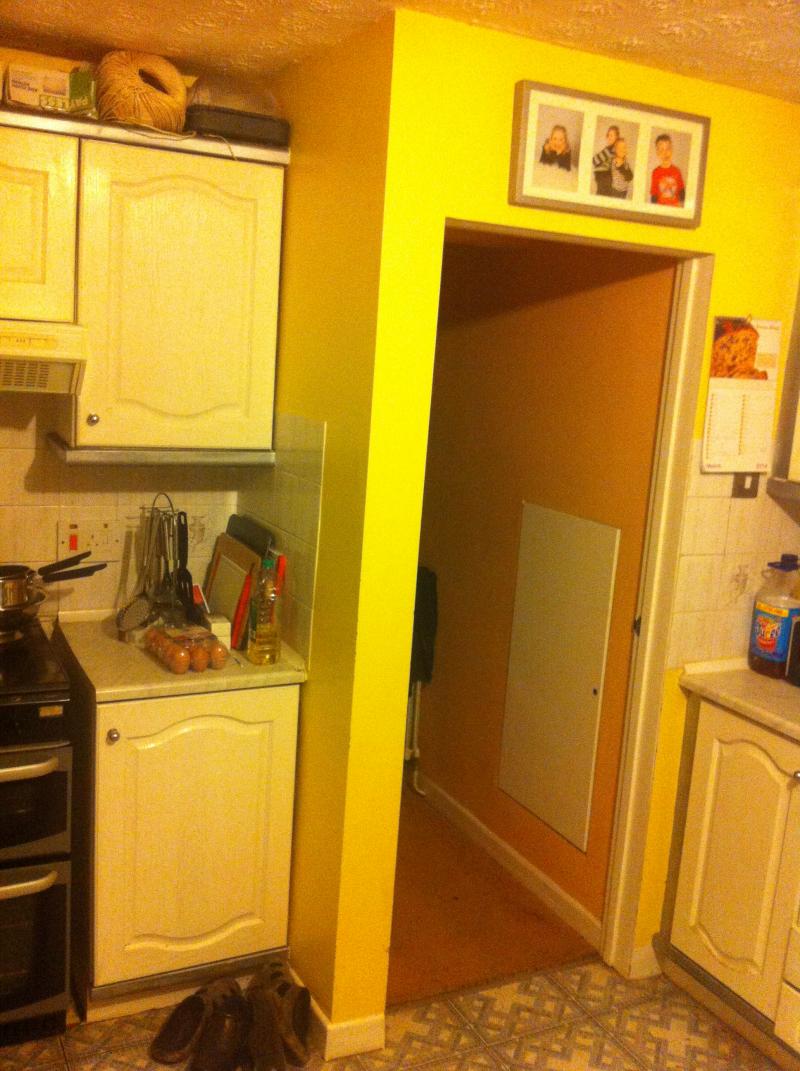
1st pic is the pic of the small wall i want to remove the 2.5 foot return back to the cooker wall and the bit of wall and door frame to make the kitchen a bit bigger as this is a waste of space

2nd pic is a view of the walls from above in the bathroom as you can see the joists go across the wall but also sits on the wall just 3 foot across as well

i assume this would not be any problem in removing this 2 small bits of wall as the joist is also sat on the wall not less than 3 feet away from the wall i want to remove

any help would be great thanks in advance
 
Don't really see what you're going to gain to be honest.....

What's behind the wall behind the cooker and how thick is that wall? If it's only half brick then your little return wall might be acting as a buttress to that wall & might be quite important for long term stability.

And is your bath anywhere near that end of the bathroom- if it is then again that wall is quite important.

Not that I'm an expert or anything but I can't see where the gain is.
 
can it realy be a buttress wall as there is no slope and nothing leaning on the otherside to cause weght?

yes there is not much room extra if the wall is knocked down but the work surfaces are only 500mm and i want to put in 600mm surfaces if i do this it will part cover the door as you walk through if the wall and door is removed and the door put back in level with the back of the cooker it will enable me to put in the wider surface

thanks for your help angel

would more photos help from the hall way to see what is there?
 
If the wall behind the cooker is only half brick (ie about 120mm thick) then it won't be particularly stable vertically. If the load on it runs directly through the centre of the wall (unlikely) then fine, if it doesn't (more likely especially if you add a bit of wind) then there is potential for movement. The return wall will be stiffening it up a lot, allowing the combination to carry a fair old load without problems.

Try balancing a book on top of a piece of cardboard on edge and see where it gets you. Then put a 90 degree fold in the cardboard and try again.

Really depends what's above that wall, whether the staircase is attached to it, whether the wall goes all the way up to the roof etc etc etc.

Again, I'm not an expert. You could do worse than phone your local councils' Building Control department and ask them for an opinion- they might charge you £25 for the privilege but that's a good thing because it covers you in case they're wrong
 
the wall is not an outside wall heres a pic of the hallway the stairs are attached but not resting on that wall

hope this helps
 
Could have turned the lights on!

Can't tell for certain but I'd be surprised if the stairs aren't fixed to that wall somewhere along their length.
Again how thick is that central wall? I'm no structural engineer but I suspect that your little return is stabilising that central wall to an extent. Given the (fairly modern looking) age of the place, if it wasn't doing something it would be studwork rather than brick.
Get someone who knows (Building Control or structural engineer) to check it out. BC will be cheaper, SE will give you more options, neither will cost a fortune, both much cheaper than the possible downsides.
 
it half brick wide and i would think the stairs are attached to the wall the wall above it it stud and plasterboard

thanks for the replys

angel
 
OK, so the main load on that centre half brick wall is the upstairs floors and a bit of load from the staircase. Actually scrap that- the upstairs joists are parallel to that wall so they're being supported by outside walls or by something else anyway. They look a bit skinny, 8" x 2"? So 4m span at the very most on current regs. So that wall is supporting the stud wall above it and the staircase- staircase being an eccentric and variable load.

I'd still be wary of taking that return out without getting someone qualified to approve. Especially since your gain is going to be marginal- I can see where you're coming from on the 600mm depth worktops but even if you move the door, the edge of the worktop is still going to be an obstruction when you walk into the kitchen, even more so if you extend the worktop on the cooker run to 600, even more so with knobs on if you're planning deeper units as well. Have you tried sticking an extra 100mm on the edge of the worktop to see how odd it looks (a paperback book would about do it)

Unless you're planning on losing that wall with the inspection panel thing in it as well?
 
the work surfaces are only 500mm and i want to put in 600mm surfaces if i do this it will part cover the door as you walk through if the wall and door is removed and the door put back in level with the back of the cooker it will enable me to put in the wider surface
How wide is the doorway?
 
I can see where you're coming from on the 600mm depth worktops but even if you move the door, the edge of the worktop is still going to be an obstruction when you walk into the kitchen, even more so if you extend the worktop on the cooker run to 600
Isn't it the worktops to the right of the opening which are too shallow?
 

If you need to find a tradesperson to get your job done, please try our local search below, or if you are doing it yourself you can find suppliers local to you.

Select the supplier or trade you require, enter your location to begin your search.


Are you a trade or supplier? You can create your listing free at DIYnot Local

 
Back
Top