Rising damp in fireplace

Joined
26 Jan 2014
Messages
4
Reaction score
0
Location
Kent
Country
United Kingdom
Hi All,

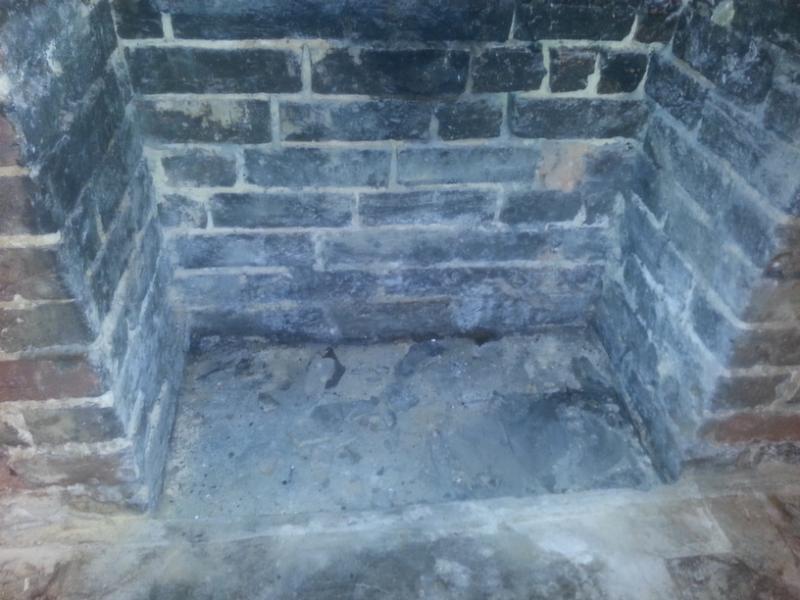
This is my first post on here (though I'm sure not may last), I have recently bought a house for the first time and have been doing general DIY on the place. A couple of weeks ago I started on removing plaster from a fireplace to bring back the brickwork.

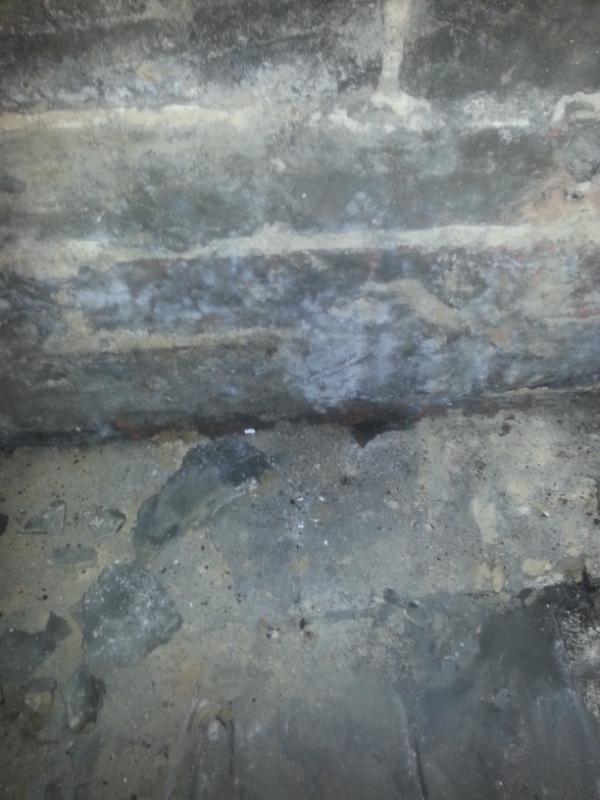
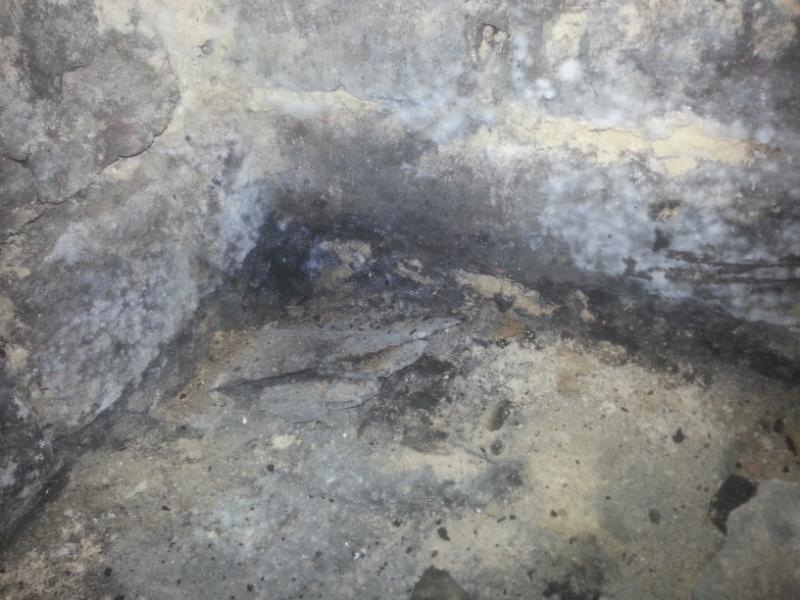
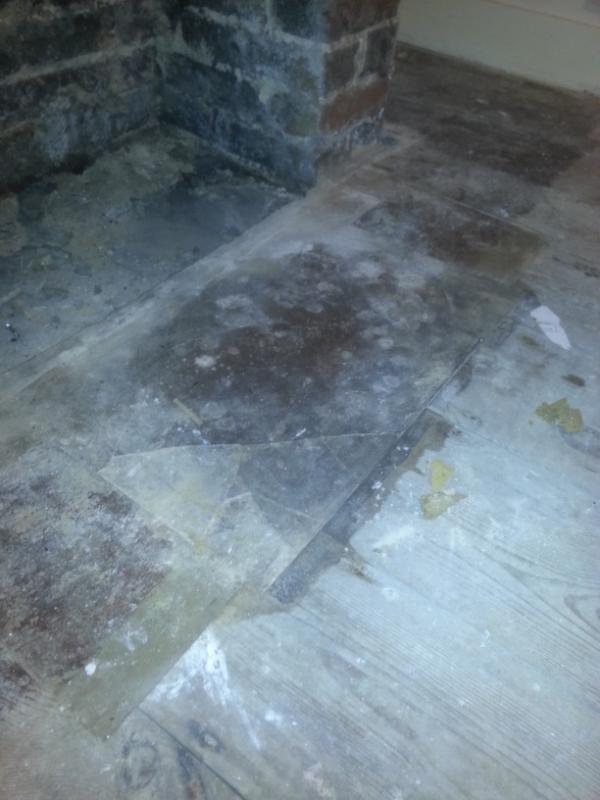
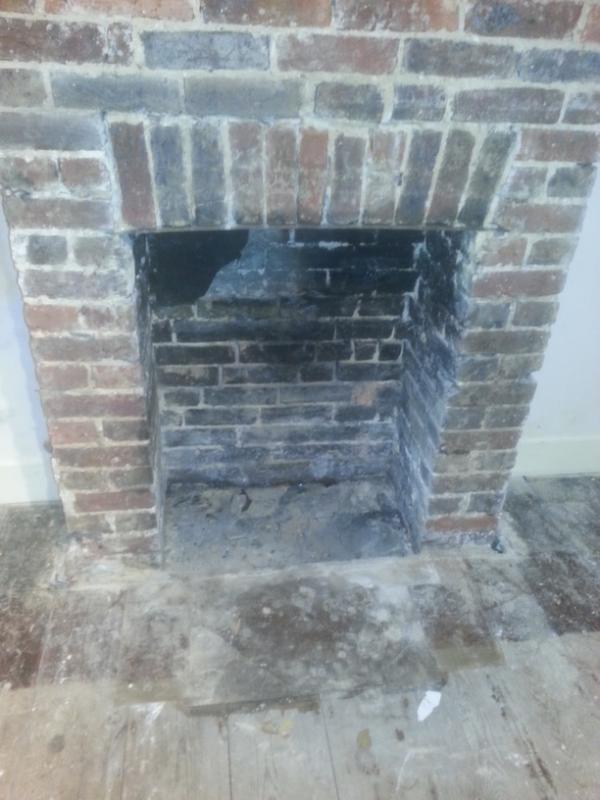
All went really well but I have now found significant rising damp on the inside of the fireplace to the point that mold has started the grow on the brickwork itself. The damp goes up about a meter from the floor (used a damp meter), it is worst right in the middle and comes out the floorboards.

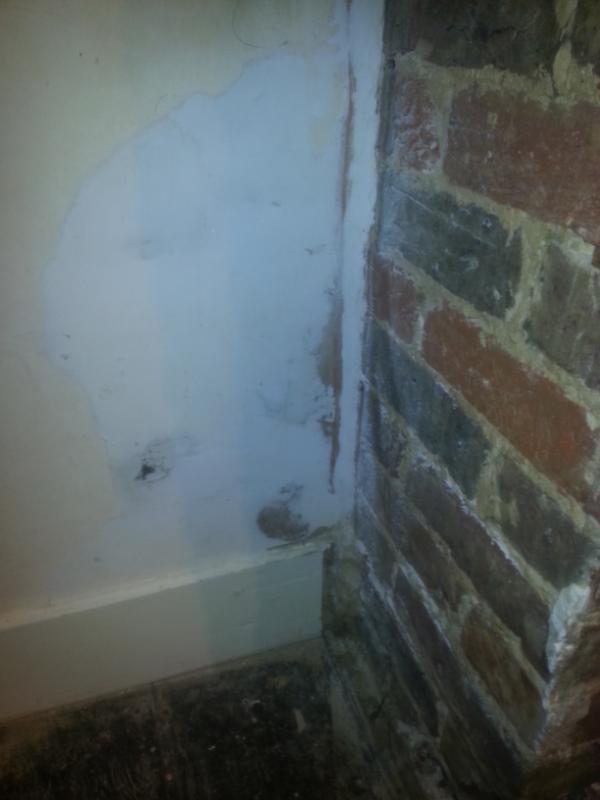
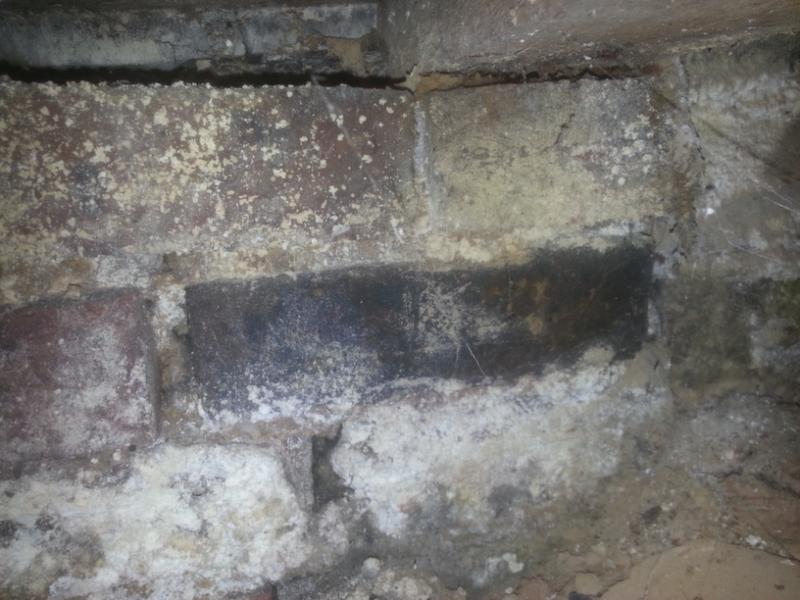
I have looked underneath the floorboards but cannot see anything obvious, there is good ventilation and this chimney is blocked off in the attic and dry. The property is semi-detached and this is the adjoining wall, I have have not had the opportunity to ask next door if they have any issues with damp. I have attached pictures, just wanted to know if anyone had ideas as to where this damp is coming from and what the best course of action is to fix it! Note: The last picture is taken from underneath floorboards.
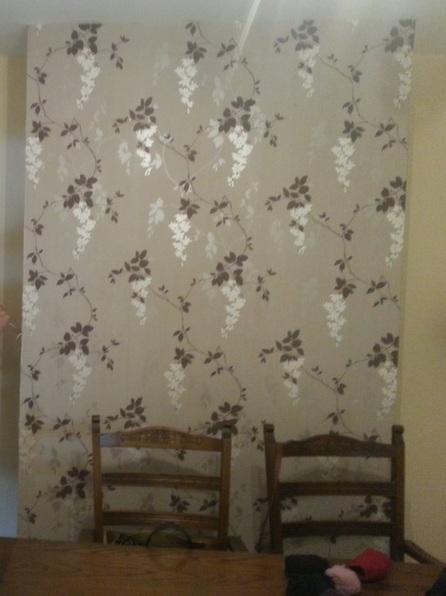
 
So, just to clarify, what is behind the chimney...an exterior wall, that other room with the chairs or next door?

What age is the property?

Where is it capped off. Has the chimney been reduced below roof hight and sealed or is there still a stack above roof hight which has been sealed.

Do you get condensation anywhere else in the house (windows etc).
 
Hi,

Behind the chimney there is another property. Sorry, the first picture was before I had done any work to it, should of explained that a little better. I would guess that there is another fireplace behind it?

The property was built around 1900. The chimney has been reduced below the roof height, there is no stack above this. There is separate chimney in the room next door (same property) and this is bone dry. We do get condensation occasionally in the main bedroom, this is upstairs but not above the chimney that has damp.
 
Before you hacked off the plaster, was there an airbrick vent where the fireplace was? Also, even though the chimney is below roof height, it should not be sealed. It should be open in the loft area (if the loft has not been converted) or at least have some type of vent.

If it was sealed at both ends, this could be the result and it may just need a good amount of time to dry out. Maybe put a portable heater in there and open a window.

An unused chimney should have a vent at the top and below to allow airflow through and to stop damp from forming. If it was fully sealed before you opened it, then this could be the result.

Maybe look in to this and see if the situation improves.
 
Yes there was a vent installed, there is also a vent installed in upstairs. Would it be wise to open up the stack in the attic? From what I can remember it looks like a couple of paving slabs.

I will get a picture of it uploaded soon. The ground underneath the floorboards is very damp also, is this normal?
 
Another possibility is the lack of dpc in the chimney stack......I have seen this mentioned on the forums before. When the fireplace was in use, it was enough to ensure it stayed dry, now it is not, water is absorbed up through the bricks from below..... this could have been exacerbated with all the rain recently......

If you hand vents above and below that was good. As long as you had good ventilation in the loft I should not think you would need to remove the slabs.

Hmm, perhaps you should request moderators move this post to the building forum (using alert moderators button) . You may get a better response in that forum with people who have come across this before....
 
Hi All,

Have had this post transferred to building as it was suggested that someone might be able to shed some light on the rising damp in this fireplace. Any help would be greatly appreciated!
 
Anyone else got suggestions on this? I doubt that this would be due to internally generated condensation due to the damp bricks under the floor boards?

Could this be a dpc issue on the chimney stack? Even though it situated on an internal wall?

How ventilated is the floor beneath? do you have airbricks on the property, or they blocked. You should have good ventilation beneath the floor too...


As a side question: Where is the kitchen in relation to this chimney?
Although I do not think it is caused by internally generated damp, it is worth just troubleshooting other possibilities...
 
Fireplaces that have been used to burn coal produce sulphate salts, and wood ash contains potassium oxide, both of which are chemicals that deliquesce when exposed to atmospheric moisture, soak into the brickwork and will become damp whenever the brickwork is colder than the dewpoint temperature. Once the fireplace ceases to be used as a source of heat, it will attract moisture.

It's not likely to be rising damp. I have seen this on internal walls of houses with deep dry foundations, where fireplaces have been removed and beneath old tiled hearths long underneath lino and carpets, even upstairs fireplaces.

What can be done? Some suggestions follow

Reappoint the fireplace to burn stuff.

Dig out the hearth base, put in a damp proof membrane and refill with concrete with a waterproofing additive.

Point a fan towards the fireplace to keep it at room temperature, so it does not become damp, and any damp already there will evaporate in the circulating air.

During dry summer months apply several coats of Thompsons damp seal at intervals to hopefully prevent condensation from getting to the brickwork during the colder months.
 
I think this is likely to be a case of rising damp and absence of any form of DPC in that area.

Looking at the under floor picture there seems to be a row of engineering bricks below floor level that will give some resistance to rising damp on most walls. However the fireplace has the solid infill to construct the hearth and consequently what protection the under floor engineering bricks give elsewhere is bridged in the fireplace area.

From the soot stained brickwork higher up in the fireplace I would expect that the lower brickwork never had contact with whatever was burnt in the fireplace so it probably had a fireback and sides at that time, so I don't buy what Flyboytim says generally but accept that incorporating a DPC into the hearth construction may be beneficial. It will be nullified to some degree until the same is done on the property next door.
 

If you need to find a tradesperson to get your job done, please try our local search below, or if you are doing it yourself you can find suppliers local to you.

Select the supplier or trade you require, enter your location to begin your search.


Are you a trade or supplier? You can create your listing free at DIYnot Local

 
Back
Top