Does it matter? The room will need likely need heat input, and the TRV will shut itself down when the set temperature is achieved. If the room is at temperature, the TRV will already be partly, or fully closed.
I found a problem with mother's old house, the bay windows captured the sun in the morning, so the temperature could reach to 30°C in half an hour, so want the radiator to stop heating the room fast, so, the lower the radiator temperature, when the sun comes out, the less the room temperature will over shoot, it still did over shoot, but only to 25°C.
Yes, tried that with mother's house, found the room far too hot, found the thermostat in a draw.
The setting of the lock shield is often critical, so looking at the TRV software,
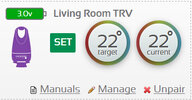
easy, if the current exceeds target, unless caused by sun etc. Then the lock shield valve needs closing a tad. With a non-electronic, however, hard to work out which needs adjusting, TRV or lock shield valve.
Basically, the TRV stops over heating, and the wall thermostat stops under heating. But my hall, Nest wall thermostat shows 21°C and the TRV shows 16°C. Summer with no heating on, they show the same. So it is very dependent on house design, there is no right or wrong. This is why we need to pay so much for a heating engineer, working out what is required is not easy.



