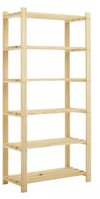
“ book shelves freestanding but strapped to walL”. What would you call it? If not a wall unitCan't for the life of me see how. But ok

“ book shelves freestanding but strapped to walL”. What would you call it? If not a wall unitCan't for the life of me see how. But ok


“ book shelves freestanding but strapped to walL”. What would you call it? If not a wall unit
Neither are cupboards. Neither are larder units. Both are just open bookcase/storage units with shelves supported of vertical timbers and occasional horizontal supports a bit similar to the attached but strong without overkill.Perhaps to some a wall unit is mounted on a wall, and a floor unit on the floor.. But in essence both being the same kitchen cupboardy kind of construction
I'd call it a larder unit - floor supported but so tall as to require a wall fixing to prevent topping when the kids climb on it
Looks good; I'd go for ita bit similar to the attached but strong without overkill.
Thanks still don't know what size timber would be suitable for uprights and top, middle, bottom horizontal supportsLooks good; I'd go for it
So, a freestanding wall unit.Freestanding - not built in
Strapped to wall - fabric or metal strap to the wall to stop it falling forward.
Wall unit - would be mounted on wall and therefore impossible to be freestanding.

Responsibly stabilised book shelves, that is what I would call them.“ book shelves freestanding but strapped to walL”. What would you call it? If not a wall unit
what you saw in ikea will work for the uprights; it is strong in the direction that matters for the forces it will experience. For the horizontals you'll need a thicker section to go the proposed 1300mm or reinforce with metal bar as proposed. Personally I'd use thinner section and have an interim slim vertical supportThanks still don't know what size timber would be suitable for uprights and top, middle, bottom horizontal supports
So, a freestanding wall unit.
Thank you. What size sections would you suggestwhat you saw in ikea will work for the uprights; it is strong in the direction that matters for the forces it will experience. For the horizontals you'll need a thicker section to go the proposed 1300mm or reinforce with metal bar as proposed. Personally I'd use thinner section and have an interim slim vertical support
Will try to find one, dont remember you giving a link30mm+, depending on the weight of what you plan to load on them
Did you try the sag calculator recommended in post 1?
Thanks. More interested in the bow of uprightsOh, I don't think anyone posted a link. Reply #1 mentioned "sagulator"; if you google it you'll find a handy website you can use to calculate how much a shelf of a given material and span and thickness will sag under a given weight, and a lot of useful surrounding information

If you need to find a tradesperson to get your job done, please try our local search below, or if you are doing it yourself you can find suppliers local to you.
Select the supplier or trade you require, enter your location to begin your search.
Are you a trade or supplier? You can create your listing free at DIYnot Local