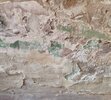
I have removed my kitchen cabinets after 30 years and part of just one wall behind the cabinets is like this only upto the the cabinet height. Looking to either plaster bonding/skimming or dot and dab and skimming, not sure what is the best treatment before I do anything. The wall don't seem wet or not smelling of damp this area was next to a sink. Do I need to apply any damp proofing paint or membrane?

You are using an out of date browser. It may not display this or other websites correctly.
You should upgrade or use an alternative browser.
You should upgrade or use an alternative browser.
Treating damp before plastering or dot and dab.
- Thread starter coloured
- Start date

- Joined
- 17 Dec 2006
- Messages
- 729
- Reaction score
- 235
- Country

You've got some efflorescence there, so it's likely that you do have a problem with moisture within the wall.
- Joined
- 17 Dec 2006
- Messages
- 729
- Reaction score
- 235
- Country
Is it an external wall? If so, could water be getting in from outside?
it was an outside wall like 60 years ago until an extension and now it's an inside wall. the wall on the other side is fine and this is only behind the floor cabinets I removed and not anywhere elseIs it an external wall? If so, could water be getting in from outside?
- Joined
- 17 Dec 2006
- Messages
- 729
- Reaction score
- 235
- Country
Could water from the sink have been leaking down onto the wall? You need to determine whether it was water from the sink causing the efflorescence, or whether there is moisture inside the wall (either coming up from the ground, or down from the roof).
Is it a single solid brick or stone wall?it was an outside wall like 60 years ago until an extension and now it's an inside wall. the wall on the other side is fine and this is only behind the floor cabinets I removed and not anywhere else
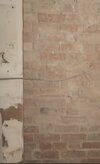
Perhaps leave 'damp' areas exposed if going to be behind the units anyway. Scrape off the current mess first of course and then plaster down to just below worktop height only.
Sounds like it's most likely leskage from the sink anyway.
Sounds like it's most likely leskage from the sink anyway.
- Joined
- 17 Dec 2006
- Messages
- 729
- Reaction score
- 235
- Country
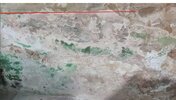
The green staining could be copper carbonate or copper hydroxide, which would be formed from copper that was dissolved in tap water.
I should have mentioned in my post, that was the colour of the wall painted some 45 years ago.The green staining could be copper carbonate or copper hydroxide, which would be formed from copper that was dissolved in tap water.
Last edited:

DIYnot Local
Staff member
If you need to find a tradesperson to get your job done, please try our local search below, or if you are doing it yourself you can find suppliers local to you.
Select the supplier or trade you require, enter your location to begin your search.
Please select a service and enter a location to continue...
Are you a trade or supplier? You can create your listing free at DIYnot Local
Similar threads

- Replies
- 3
- Views
- 2K
