
I suggest that whomever you wish to discuss it with is done by phone or PM them. DIYnot is not all that private, boyo.I have an opinion but not one I wish to discuss with you.


I suggest that whomever you wish to discuss it with is done by phone or PM them. DIYnot is not all that private, boyo.I have an opinion but not one I wish to discuss with you.

Is that what you're telling me I have to do?I suggest that whomever you wish to discuss it with is done by phone or PM them.
If you wish to discuss it privately, then it's good advice. If you want to announce your fruit loop ideas to the world however.....Is that what you're telling me I have to do?
Why insult me? That isn't allowed on this forum apparently...If you wish to discuss it privately, then it's good advice. If you want to announce your fruit loop ideas to the world however.....
Eh?Why insult me?
You had better behave then.That isn't allowed on this forum apparently...
Fruit loop? That's an insult.
Yes Boss......lol.You had better behave then.
Possibly?Fruit loop? That's an insult.
Yeah, that didn't happen. No such thing exists. Empty tombs I can accept but tombs cut to accuracy that we can't match now is nonsense.You forgot the numerous empty tombs, cut from granite, to an accuracy we could not manage even today.

Didn't they?
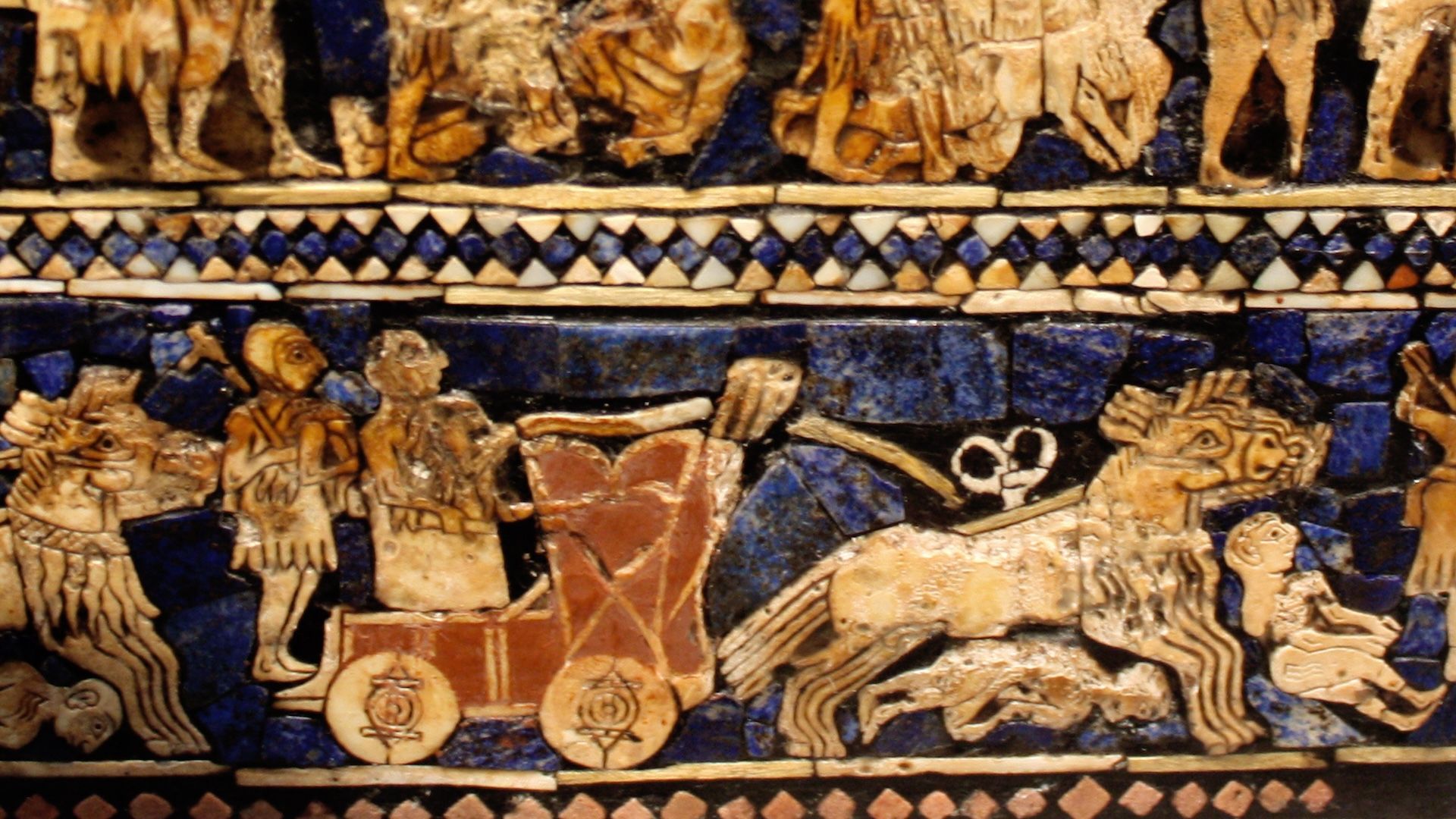
1st wheel was invented 6,000 years ago in the Carpathian Mountains, modeling study suggests
It's possible that the wheel was invented by copper miners in the Carpathian Mountains up to 6,000 years ago, according to a modeling study that uses techniques from structural mechanics.www.livescience.com
 www.whyienjoy.com
They didnt. The Egyptians at the time of the so called building of the pyramids didnt have the wheel...
Did The Egyptians Have The Technology Of The Wheel When They Built The Pyramids - WHYIENJOY
Ancient Egyptians didn't have the wheel when they built the pyramids; they only had stone and copper tools. In this regard,did egyptians have wheels when building pyramids? Using sand, water,
There was ya?Yeah, that didn't happen
You obviously have no clue. You just copy and paste without research....The Egyptians made loads of bowls out of schist.
It was also popular for various other nations, because it's easy to carve and strong enough to be fairly durable.

Schist & Gandharan Carved Stone Antiquities for Sale | Ancient & Oriental
Schist is a grey stone of a relatively high hardness that can be carved to some detail. Schist commonly contains varying amounts of mica and quartz which can lend it a subtle sparking quality. Schist was the major material of choice for the infamous Gandharan sculptures.www.antiquities.co.uk
All this *******s about 'no one today could carve that' is just assumption and ignores thousands of tears of carved stone bowls.
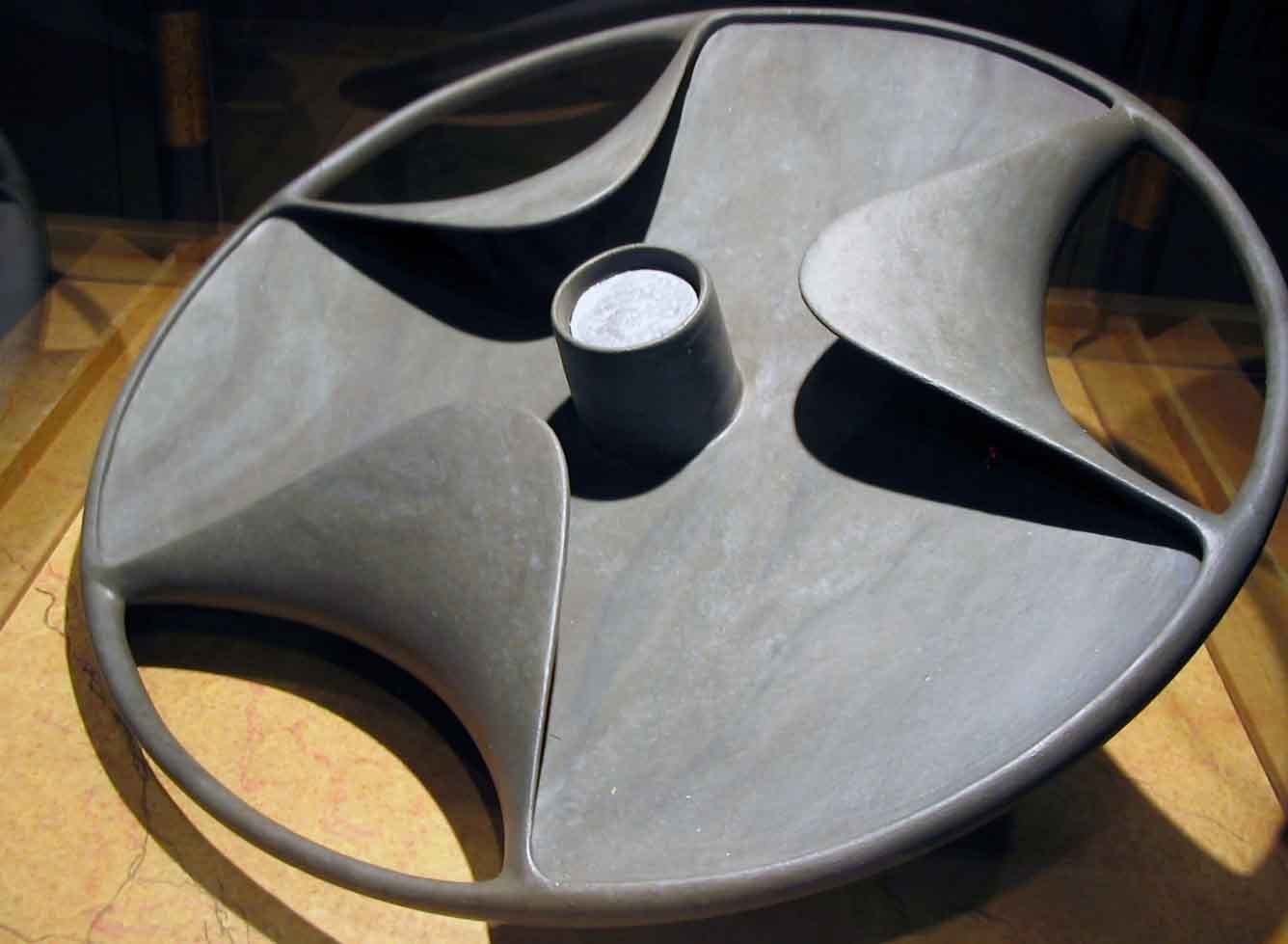


Do you believe this bit as well, "The Egyptians used extremely simple technology to accomplish sophisticated ends."?They didnt. The Egyptians at the time of the so called building of the pyramids didnt have the wheel...
Maybe not,
1. Advanced Techniques or Tools:
The disc may represent evidence of advanced techniques or tools that have not been preserved in the archaeological record. For instance, the use of harder materials like dolerite for carving or the application of abrasives such as quartz sand could have enabled finer detailing.
2. Lost Technologies:
It is also possible that the First Dynasty Egyptians employed techniques or technologies that were later lost to history. The disc could reflect a high level of technological experimentation, suggesting a sophisticated understanding of materials and mechanics.
3. Symbolic Significance Over Functionality:
The effort required to carve schist into such an intricate shape suggests the disc held great symbolic or ritual importance. If it was not intended for practical use, the material’s brittleness may have been less of a concern than its aesthetic or symbolic qualities.
4. Skilled Craftsmanship:
The artisans of early dynastic Egypt were highly skilled, as evidenced by the intricate jewelry, pottery, and tools from the same period. The Sabu Disc may represent the pinnacle of such craftsmanship, requiring both technical expertise and artistic vision.


