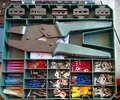
Using ferrules - problems of resistance?

Joined
9 Dec 2015
Messages
106
Reaction score
18
Country
United Kingdom
I'm not an electrician so this question may seem stupid.
:)


I watch a lot of these electrician channels on youtube. One I saw recently on youtube showed the difference between cheap ferrule crimping sets and premium ones. The latter using tin coated copper ferrules and the cheapo ones using tin coated brass ones. Their point was that brass has more electrical resistance than copper.

Now, given you're connecting to brass screws/connectors in the sockets and consumer boxes, would using copper ferrules make any real difference? Also, since tin has even more resistance than brass, does adding a ferrule actually then help make a better connection?
 
Last edited:
In distribution boards you've a better connection with panel flex shoved directly into terminal clamps

In large panels with lots of terminals you need crimps and ferrules for a tidy job

They do add another layer of resistance however small
 
Ferrules also increase the contact area between the copper and the terminal by stopping the copper from spreading so much under the pressure of the clamp.
 
Ferrules also increase the contact area between the copper and the terminal by stopping the copper from spreading so much under the pressure of the clamp.
That presumably depends to at least some extent on the nature of the clamp and the degree of squashing of the strands that occur -since I imagine that, under some circumstances, "the copper spreading" might actually increase the contact area (so that 'stopping the spreading' might actually reduce contact area)?
 
One of the main advantages of cord end crimps/bootlace ferrules is that when used with trirated/fine strand wire there is a massive reduction in fine whiskers of wire that do not make their way into the terminal. This prevents accidental shorts (and the wire up the fingernail when you go to touch it).

The additional resistance is so small it is not worth worrying about unless you get into wiring resistive sensors and cabling, such as K-type cables - in this instance you are best not to use them.

Also makes refitting the wire into another terminal upon modifications etc. far better as the wire end is not chewed up.
 

If you need to find a tradesperson to get your job done, please try our local search below, or if you are doing it yourself you can find suppliers local to you.

Select the supplier or trade you require, enter your location to begin your search.


Are you a trade or supplier? You can create your listing free at DIYnot Local

 
Back
Top