• Looking for a smarter way to manage your heating this winter? We’ve been testing the new Aqara Radiator Thermostat W600 to see how quiet, accurate and easy it is to use around the home. Click here read our review.

Range anxiety - mobility scooters

Why not try it out by continually running it until the battery depletes?

It has a claimed range of 40 miles, at 4 to 8 mph, that would be 5 to 10 hours running, which would take more patience than I've got - besides, exhausting the LA batteries, would do them no good at all. I've run it several miles, and I have yet to see the battery power gauge move from maximum.

For caravan/boat batteries, I remember reading about a fancy gadget, which meters the charge and discharge wattage, so it knows the actual capacity left in the battery, rather than measuring the voltage and guessing.
 
the load is not a continuous 1000w, most likely it will be between 0 and 50w much of the time
Even if the load is only 1W, that requires current from the batteries. Current can't flow both ways at the same time; so you can't charge the batteries while on the move.
 
Even if the load is only 1W, that requires current from the batteries. Current can't flow both ways at the same time; so you can't charge the batteries while on the move.

Yes you can.. If the charger, produces more current output, than the current being consumed, then the batteries will be charged.
 
Lead acid batteries' voltage at rest can give a good idea of the state of charge; although it does vary with temperature:

Maintenance free SLA/VRLA as used in scooters will at 21.1C (70 F) be

100% 12.793 V (63.965 V for 5 in the pack)
75% 12.593 V (62.965 V)
50% 12.293 V (61.465 V)
25% 11.993 V
0% 11.793 V

Use an decent accurate DVM across them - either individually or all 5 when stopped...

One can get cheap versions of the professional battery conductance testers: Finding ones suited to lower capacity batteries as used on scooters is a trifle harder. I have one https://www.amazon.co.uk/dp/B07S2LB27F that is no longer available but there will be others.

NB Caravans with motor movers have warnings to NOT use the caravan's mains charger-psu to drive the mover with or without leisure battery attached. Damage has been done to the (expensive) charger-psu by those foolish enough to try.

NB2 An unrestrained L-A battery (esp if not a Sealed LA) on a scooter footplate would be a hazard that most sensible road / pavement scooter users would wish to avoid.

NB3 The claimed 40 mile range is most unlikely (measured on the flat with a 0 stone driver). But a few tests would confirm reality. (Do a lap around a known distance... 1 mile say... repeat until bored then see how long it takes to recharge at a known (measured) input current.
20 Ah at 2A (C/10) would be 5 hours for 50% discharged... probably.
 
One can get cheap versions of the professional battery conductance testers: Finding ones suited to lower capacity batteries as used on scooters is a trifle harder. I have one https://www.amazon.co.uk/dp/B07S2LB27F that is no longer available but there will be others.

Which I have in my arsenal.
NB Caravans with motor movers have warnings to NOT use the caravan's mains charger-psu to drive the mover with or without leisure battery attached. Damage has been done to the (expensive) charger-psu by those foolish enough to try.

As you ought to be aware, such power supplies are, and have to be current limited, to protect them from shorts, and faulty batteries. Therefore, no reason not to run a mover with the charger powered - I do. With no battery connected, then a mover's diagnostics, will refuse to attempt to drive the caravan. I am well aware instructions say not to do this, but this is a backside covering exercise.

NB2 An unrestrained L-A battery (esp if not a Sealed LA) on a scooter footplate would be a hazard that most sensible road / pavement scooter users would wish to avoid.

Really at max 4mph! Do you never lift and carry a battery, at very risky walking pace?
 
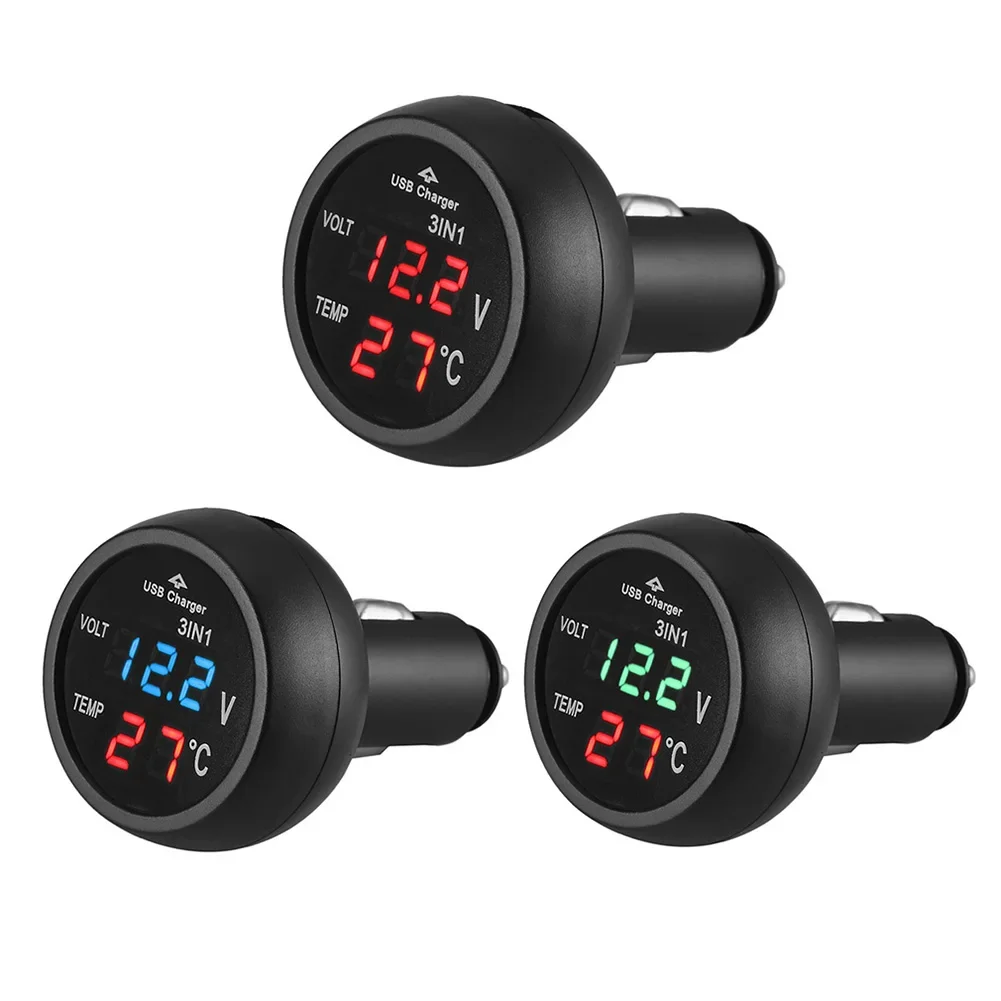
Mine's a wimp compared with yours, just 12V. Iput a ciggy lighter socket on it and have a digital voltage reading which is a more accurate battery state meter than the thing it has. You see the drop on load. I see there are 24V ones - you could put across a couple of your batts.

A curent integrator isn't v complicated to make, though there must be cheap ones
 
Probably not relevant ?

But one of our fellas had a flat battery on his transit on a job

And he managed to start the van with makita power tool battery (s) ?
In parallel that will work. As the 18v will boost the probable 10v car battery. The two will work together
 
Even if the load is only 1W, that requires current from the batteries. Current can't flow both ways at the same time; so you can't charge the batteries while on the move.

An ICE car has a LA battery, which is being charged while on the move.
It is also being discharged at the same time, powering the radio, headlights and so on, is it not?

I stand to be corrected though.
 
An ICE car has a LA battery, which is being charged while on the move.
True. But the thread is about an electric mobility scooter, not an ICE vehicle. I meant to say "while on the move under power provided by the battery".
 
True. But the thread is about an electric mobility scooter, not an ICE vehicle. I meant to say "while on the move under power provided by the battery".

I know, but an LA battery won't know what it is in, or doing.

Hence, the principle - of both charging at discharging at the same time - is sound.
 
An ICE car has a LA battery, which is being charged while on the move.
It is also being discharged at the same time, powering the radio, headlights and so on, is it not?

I stand to be corrected though.
Sort of. Basically, the battery is mainly for starting the engine. When it’s running, the alternator puts out enough power to run every possible electrical device on the car with spare left over to put back into the battery.
 
Current does not, cannot, pass both ways at one and the same time in and out of a battery. At any one instant, it passes in just one direction. The direction, dependent on the voltage/state of charge of the battery, versus voltage of the charging system or alternator. If the latter is less than the battery, current will flow out, if it is higher, then charge will go in the battery. When the charge source is higher in voltage, the charge source will additionally supply radio, headlights and etc, either directly, or in part.

Consider a battery, as a sort of reservoir, which can be gradually filled, or emptied.
 
Current does not, cannot, pass both ways at one and the same time in and out of a battery. At any one instant, it passes in just one direction. The direction, dependent on the voltage/state of charge of the battery, versus voltage of the charging system or alternator. If the latter is less than the battery, current will flow out, if it is higher, then charge will go in the battery. When the charge source is higher in voltage, the charge source will additionally supply radio, headlights and etc, either directly, or in part.

Consider a battery, as a sort of reservoir, which can be gradually filled, or emptied.

I'm hearing you, but I'll give you this example as a counter (something that, with your evident knowledge of things electrical and electronic, you might be able to explain, or perhaps amend your views in light of).
And, admittedly, it is a Li-on battery (I think).


When I charge my 'phone, I can still use it.
Depends on what apps I am using, it can recharge, discharge, or remain at the same level of charge.
I also doubt that the charge port is directly connected to the 'phone's gubbins; only via the battery.

From this, I deduce that the 'phone is always powered by the battery.
And that the battery can be recharging while also discharging.
 
From this, I deduce that the 'phone is always powered by the battery.
And that the battery can be recharging while also discharging.
No. The charger is able to provide enough power for running the phone apps and for charging the battery at the same time.
 
No. The charger is able to provide enough power for running the phone apps and for charging the battery at the same time.

You missed my point.

AFAIK, the charge port is only connected to the battery.

And the 'phone's gubbins is only connected to the battery; it is not connected - directly - to the charge port.

Ergo, the battery is running the 'phone at all times.


Also, the charger can charge the 'phone battery to 100% in a little over an hour.
Nothing I can do to the 'phone can discharge the battery in anything like that short a time.
Therefore, the charger is many times more "powerful" than the 'phone can use.
And yet, the battery can be running lower and lower on power (percentage, dropping), even when charging.

Ergo, the 'phone is running off the battery, even when charging.
Otherwise, the battery percentage would not be dropping when charging; at worst, it would be holding steady.
 
Back
Top