
You are using an out of date browser. It may not display this or other websites correctly.
You should upgrade or use an alternative browser.
You should upgrade or use an alternative browser.
Is this imperfection ok on the architrave?
- Thread starter Joe Fixit
- Start date
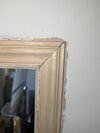

It's up to you, you have to live with it, I daresay with some good filling it won't really be noticeable, not really acceptable to have paid a professional for it though.
D
Deleted member 310928
I'd just fill it with caulk or wood filler. It's going to be painted after anyways.
I'm guessing you did it yourself?
I'm guessing you did it yourself?

If done by yourself, its fine. Wood filler will hide it.
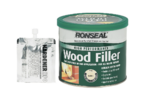

Use paintable glue/filler, as the filler would crack as soon as the wood expands or contracts.
Filler would be OK on a screw hole or old wood that's already done all its moving about.
Filler would be OK on a screw hole or old wood that's already done all its moving about.
I just used a load of this stuff to caulk plastic trunking to the wall then painted over. All fine so far!...
Let it dry for a few days before painting.
Let it dry for a few days before painting.

- Joined
- 18 Feb 2025
- Messages
- 169
- Reaction score
- 7
- Country

Thanks. I thought caulk might be better on joins due to movement in change of planesI just used a load of this stuff to caulk plastic trunking to the wall then painted over. All fine so far!...
Let it dry for a few days before painting.

It's acceptable and retrievable. The casing has probably shrunk a wee bit and/or the wall has had a skim. This means the archies will tend to angle in toward the frame instead of sitting flat. This in turn means the mitre is hard-on or fouling on the outer most point. It can be overcome if you have a decent mitre saw or decent caulking skills.Cuts far from perfect as you can see but wondered if this is ok if I fill on with caulk/flexible wood filler?
Be careful with caulk as it can shrink back, causing a bit of recess which will show when you paint. Apply some caulk - remove the excess with a damp kitchen sponge and apply a wee bit more the next day. Otherwise, use a filler.
- Joined
- 18 Feb 2025
- Messages
- 169
- Reaction score
- 7
- Country
Great tip. And I think you are spot on with the slight different levels and angling in. Have sanded it all down but still a lip where plaster begins.It's acceptable and retrievable. The casing has probably shrunk a wee bit and/or the wall has had a skim. This means the archies will tend to angle in toward the frame instead of sitting flat. This in turn means the mitre is hard-on or fouling on the outer most point. It can be overcome if you have a decent mitre saw or decent caulking skills.
Be careful with caulk as it can shrink back, causing a bit of recess which will show when you paint. Apply some caulk - remove the excess with a damp kitchen sponge and apply a wee bit more the next day. Otherwise, use a filler.
- Joined
- 18 Feb 2025
- Messages
- 169
- Reaction score
- 7
- Country
Sorry, have one more question. I know normally, you would glue and use lost head nails to hold it in position. But I was wondering if I could skip the nails and clamp it in position instead?
The architrave I got is quite slim and has complex pattern over it. Worried nail would split or ruin the carved pattern.
The architrave I got is quite slim and has complex pattern over it. Worried nail would split or ruin the carved pattern.
Frustrating when even the truest of mitre cuts are bamboozled by out of square frames or don't sit nicely on the casing edges.Great tip. And I think you are spot on with the slight different levels and angling in.
We have a method of fixing now that allows us to glue the mitres together, before fully pinning them back to the casing. It does mean that there can be a little frame stand off, but this can be corrected with caulk. Otherwise, we glue and fix knock-ons to the casing edges, prior to fitting the archies, especially when we re-skim the walls.
Always pin them with tiny round archie pins.Sorry, have one more question. I know normally, you would glue and use lost head nails to hold it in position. But I was wondering if I could skip the nails and clamp it in position instead?
The architrave I got is quite slim and has complex pattern over it. Worried nail would split or ruin the carved pattern.
- Joined
- 18 Feb 2025
- Messages
- 169
- Reaction score
- 7
- Country
Archie pins?Always pin them with tiny round archie pins.
Architrave pins. 40mm small round pins (nails).Archie pins?

DIYnot Local
Staff member
If you need to find a tradesperson to get your job done, please try our local search below, or if you are doing it yourself you can find suppliers local to you.
Select the supplier or trade you require, enter your location to begin your search.
Please select a service and enter a location to continue...
Are you a trade or supplier? You can create your listing free at DIYnot Local
Similar threads
- Replies
- 7
- Views
- 2K

- Replies
- 12
- Views
- 43K
