
- Joined
- 22 Jan 2007
- Messages
- 24,425
- Reaction score
- 3,655
- Country

Cold and cloudy here, rain expected.The sunnies in here now and when it firzvrespiear well be inbtge shade on our elevation.
16 hours my arse.

Cold and cloudy here, rain expected.The sunnies in here now and when it firzvrespiear well be inbtge shade on our elevation.
16 hours my arse.

Sunrise: 4:43 AMThe sunnies in here now and when it firzvrespiear well be inbtge shade on our elevation.
16 hours my arse.
His precise sunrise is 4.45 amSunrise: 4:43 AM
Sunset: 9:25 PM
Daylight Hours: 16 hours and 42 minutes
That is based on your location (midlands).
The correct answer for today is 16 hours and 24 mins.
quit making stuff up

That, and quit making stuff up for the same end
Like this you mean ?That extent being, given that the sun won't be beating down for more than a few hours in any 24, inconsequential


My guess is that to make Harry's theory remotely plausible, it would need direct sunlight on the wall for a lot longer than that. Never going to happen.16 hours and 42 minutes
So no justification for solar panels, in the U.K. ?My guess is that to make Harry's theory remotely plausible, it would need direct sunlight on the wall for a lot longer than that. Never going to happen.
Meanwhile, back in the real world....
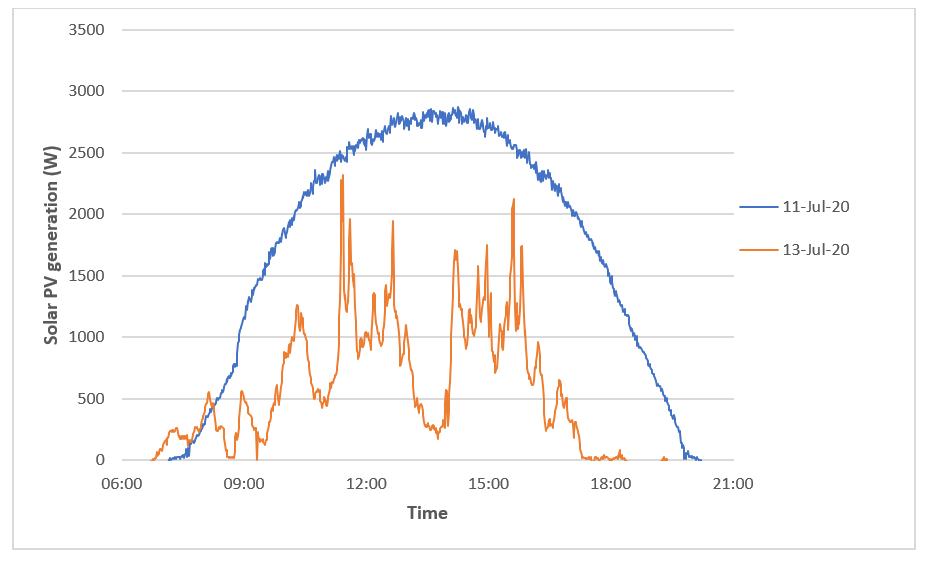
 www.nea.org.uk
Correct. I think MBK forgets that the Earth revolves or the sun goes in or that there are trees and acute angles."to some extent".
That extent being, given that the sun won't be beating down for more than a few hours in any 24, inconsequential
And there we have it ,My guess is
So no justification for solar panels, in the U.K. ?
That is just another stupid gotcha question.
Correct. the energy of the sun is immense.So yes, absolutely - you would need to wait quite some time, but you do get that, eventually, if the temperature stayed higher outside than inside, some, likely quite small, small temperature rise on that wall will happen...
...and it wouldn't need to be that large a wall temp change to start to have a small on effect the temperature of the room - even at a 1 degree rise, that's one hell of a large radiator!
Precisely what I have been saying. The warmth of the sun ever penetration a well insulated wall in the course of the day = nil.I think you're overstating your case here.
Whilst extreme or/and long enough heat (or cold) will (of course) change the indoor temperature, doesn't your own experience make it absolutely clear that, under UK conditions, insulation in practice generally prevents temperature matching - it might get warmer (or cooler) inside after a few days, but it is not inevitable that it will match the outdoors.

Correct. the energy of the sun is immense.
Ah now I think I understand the 'inevitable' misunderstanding.
The heat flow from outside to inside starts as soon as there's a temperature difference.

