• Looking for a smarter way to manage your heating this winter? We’ve been testing the new Aqara Radiator Thermostat W600 to see how quiet, accurate and easy it is to use around the home. Click here read our review.

Mould in bedroom

Joined
8 May 2018
Messages
35
Reaction score
0
Country
United Kingdom
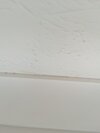
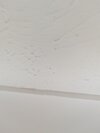
I have always had issues with mould in my houses. I have just moved and been in the property for a month, there was no mould in the house/bedrooms but now mould is starting to appear around the ceiling where it joins with the coving, generally on the window side of the room.

I have a dehumidifier and when putting this on it show 55 humidity as a norm. I open the windows during the day regularly and put my windows on the vents at night. I really don't understand why it is appearing and feel it must be something I am doing wrong as the homeowners didn't have the issue before. I have sprayed HG mould spray on and it disappeared however is slightly coming back on photos.

I have just bought Zinser Perma White Anti Mould in the hope this will help.

Does anybody have any suggestions on how to improve.

 

Attachments

  • PXL_20251117_124135245.jpg
    PXL_20251117_124135245.jpg
    93.2 KB · Views: 30
  • PXL_20251117_124145107.jpg
    PXL_20251117_124145107.jpg
    74.6 KB · Views: 33
  • PXL_20251117_124148985.jpg
    PXL_20251117_124148985.jpg
    73.2 KB · Views: 33
Put the central heating up or massively improve the insulation
 
The patch of ceiling is probably cold due to a lack of loft insulation. (assuming room is an upper bedroom)
No point having a dehumidifier running with the window open.
 
Does anybody have any suggestions on how to improve.
Insulate. Even if that means something as drastic as fixing rigid insulation direct to the ceiling joists.

The junction between the wall and the ceiling (upstairs) is one of the most vulnerable parts of any home, in terms of cold bridging. It all makes sense when you see an eaves section drawing of a house at this location. At this point in the building, there are only a few inches of poorly insulated construction between you and the outside, especially when you consider that some older houses may only have 3" deep rafters.


Turning the heating up won't help unless you keep it on constantly. Moist air will always cool at this junction unless it is adequately insulated.
 
Last edited:
The patch of ceiling is probably cold due to a lack of loft insulation. (assuming room is an upper bedroom)
No point having a dehumidifier running with the window open.
There are loads of things folk can do to help - but a wee bit.

Adding adequate thickness PIR insulation will solve it instantly.
 
Applying the Zinsser paint after cleaning is good, but check if you are adding extra moisture by drying clothes inside, or if large furniture is blocking airflow to that cold wall.
 
Thanks all. So there is no furniture blocking. We have clothes on a heated airer regularly in another room but always have the windows in that room open and door closed. The bathroom doesn't have an extractor fan but again we have window open when showering and door closed. I am due to check the loft installation today to see what that looks like. I have condensation all over the windows every morning.
 
We have clothes on a heated airer regularly in another room but always have the windows in that room open and door closed.

Drying clothes indoors, is really bad news. Despite the open window, and closed door, the moisture will be spread around the house.

Likewise, cooking - not much you can do about that, but use an extracting cooker hood, always put lids on pans.

Better than an open window, when taking a shower, is a decent bathroom fan, drawing air into the bathroom, from the rest of the house. An open window, depending on wind direction, could be simply blowing the very moist air into the rest of the house.

I have condensation all over the windows every morning.

If that is condensation on the inside, they are double-glazed, and it's happening regularly - it confirms you have a lot of humidity in the house.
 
Drying clothes indoors, is really bad news. Despite the open window, and closed door, the moisture will be spread around the house.
The breeze/wind will be going in a random direction. If it's inwards into that room's window then the damp air from the room will be pushed into the rest of the house.

Ideally dry clothes outside or in a heat pump tumble dryer.

But if your only option is indoors then seal the room with a dehumidifier in there. It will cost more than using a heat pump tumble dryer, as it's basically a very inefficient home-made version.

Buy some humidity meters and scatter them about. Don't get the cheapest ones, they're rubbish. I bought 4, put them together and got totally different readings on all of them.
 
But if your only option is indoors then seal the room with a dehumidifier in there. It will cost more than using a heat pump tumble dryer, as it's basically a very inefficient home-made version.

That is not true! I have our utility room, set up with over-head washing lines, a fan, and a dehumidifier, to dry clothes after they have been spun in the washer. We set it up, to dry things over-night, which it does very effectively. Over-night, simply so it minimises disruption. I power both the fan, and the dehumidifier, via one of those plug-in Kwh monitors, and find it to be a very economical way to dry clothes.

That system, is one of three methods we can make use of - we have a very long, drying line in the garden, but last year, I added a series of lines, as an alternative, across the open veranda area of the summerhouse - out in the breeze, but sheltered from rain.
 
I have always had issues with mould in my houses.

That suggests that your lifestyle leads to high humidity, but you said:

I have a dehumidifier and when putting this on it show 55 humidity as a norm.

55% is fine - but do I believe it? So:

Buy some humidity meters and scatter them about.

Do this, and let us know what the actual humidity is.

Don't get the cheapest ones, they're rubbish. I bought 4, put them together and got totally different readings on all of them.

Get the second-cheapest ones then. Don’t expect them to agree exactly, and note they take a while to stabilise when the environment changes. The important question is whether it’s 50%, 70% or 90%.

Do get a bathroom extractor, there’s no reason not to have one in 2025!
 
I have just purchased the humidity readers and will report back. Also will have a look at options in terms of not drying clothes indoors
 
Also will have a look at options in terms of not drying clothes indoors

There is no mould here, because I set up simple rules to prevent it.

1. All pans used with lids, and turn the extract to outdoors, hood on.
2. Absolutely nothing allowed to be dried indoors.
3. A PIR and humidity triggered fan in the bathroom, which runs on for at least 20 minutes, after being triggered.
4. We always have at least a minimum level of heat in the place, 14C is as low as it goes on setback, during the night, and 18C during the day. The heating, almost never triggers on 14C.
 
Seems like I need to change a few habits. Do you dry all your washing outside?
 

If you need to find a tradesperson to get your job done, please try our local search below, or if you are doing it yourself you can find suppliers local to you.

Select the supplier or trade you require, enter your location to begin your search.


Are you a trade or supplier? You can create your listing free at DIYnot Local

 
Back
Top