We have types AC, A, F, C, S etc, also some are single direction, and some dual direction, and we also have stand alone RCD's and RCD's built into the MCB (RCBO) and changing the design and using type A RCBO's may help.
I got RCBO clearly marked type C on the packet, but after they were fitted, realised they were type AC, as far as I know, you can't get single module width type F or C RCBO's, I did look at the mA DC difference between type AC, A, and C, and I question unless you have some device to auto disconnect if DC is detected what is the point? A failed rectifier is likely to produce far more than 6 mA, so only where half-wave rectifiers used in the first place, would you know how much DC is being produced, and the three port central heating valve was being produced well before we used all RCD protected homes, so we have always had some DC, it is not down to modern equipment.
So in the home, looking at near enough engineering, we could not fit all type F or C even if we wanted, using a standard consumer unit. We need either single width RCBO's or just two RCD's when using a standard consumer unit, as far as I am aware, one can't get a consumer unit over 125 amps or 3 phase, and we are told when in the control of an ordinary person we should use the consumer unit type of distribution unit. Although not found the rule saying that?
We can no longer use these
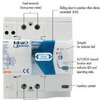
in the home, and to rewire the home in Ali-tube and use RCD sockets is far too expensive, so in real terms we have to use RCBO's, there are RCD's with a residual current monitor (RCM) built in, the moeller xpole but then we are faced with the consumer unit being changed to moeller to comply with type testing rules. So the RCBO seems the only option for domestic.



