Insulating timber cladding

Joined
27 Jan 2024
Messages
13
Reaction score
6
Location
London
Country
United Kingdom
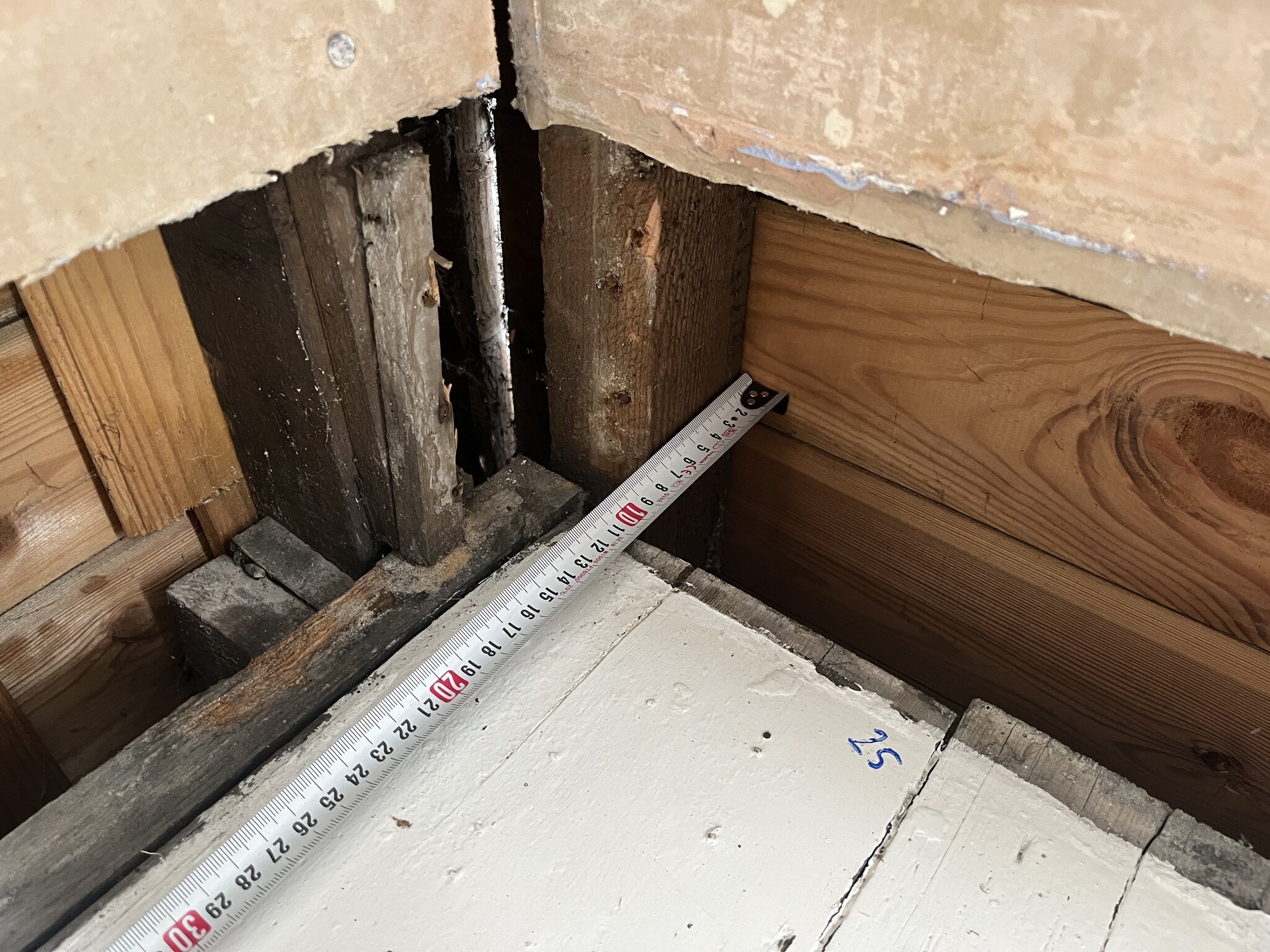
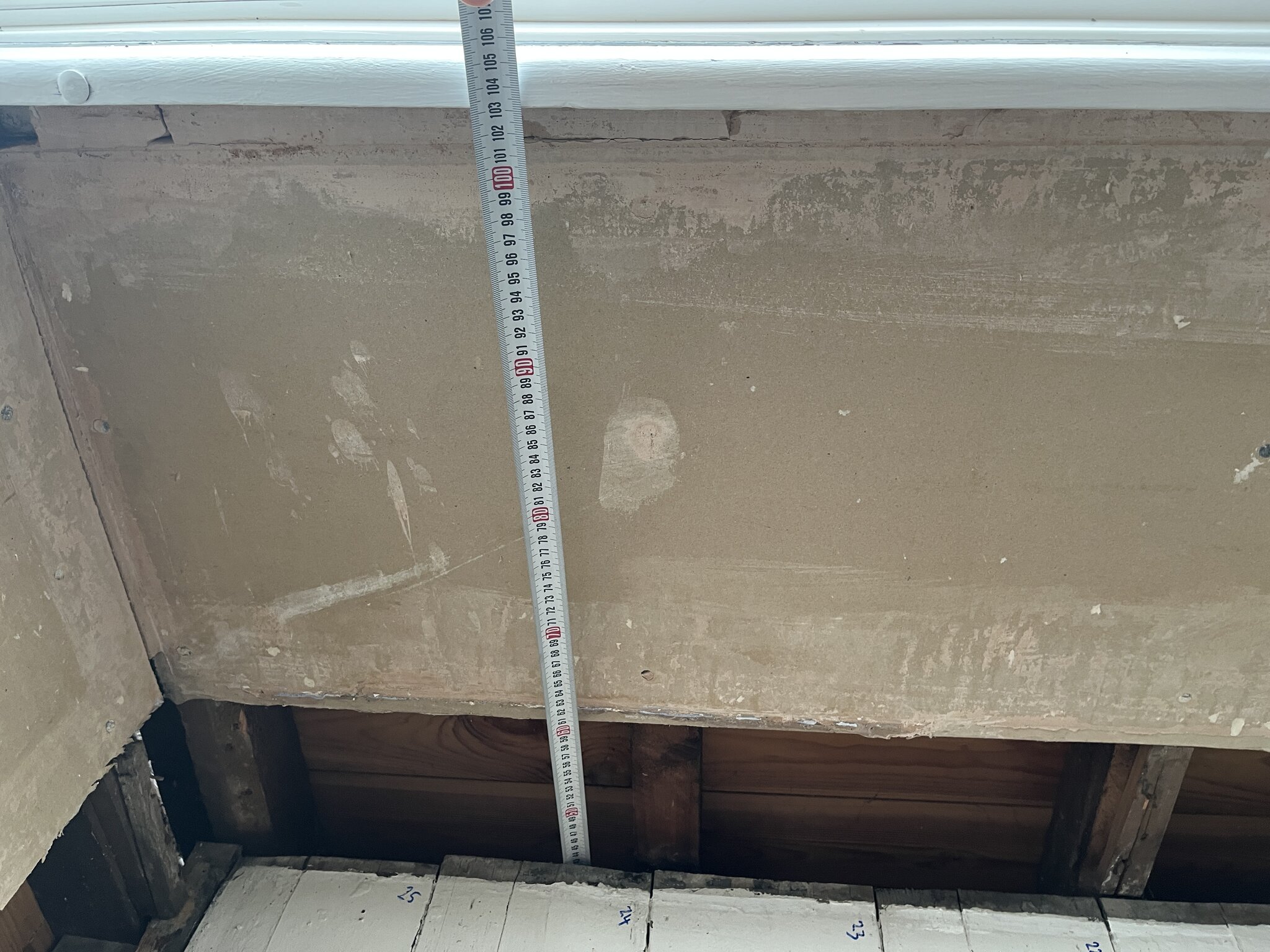
We’ve recently bought a Victorian house. When I removed the skirting boards in preparation for having the walls of our master bedroom plastered, I found there is no insulation in-between the plasterboard and the external timber cladding. The first floor is our master bedroom. What options do I have for thermally insulating this part of the wall? I’ve searched and read a bunch of posts for standard CWI between brick, party, and internal wall insulation. I’m writing a new post in case I should take a different solution due to our different substrate, timber cladding.
  • Cavity depth: 80-100mm
  • Cavity height: 1030mm

From my product research so far, the options I have are:
  1. Cavity wall insulation (e.g. Knauf Insulation DriTherm® 37 Standard Cavity Slab - 100 x 455 x 1200mm | Wickes.co.uk). My concern with this is it bridging moisture from the external timber cladding into the internal plasterboard causing damp.
  2. Insulation foil (e.g. SuperFOIL SF6 Multi-Foil Insulation - 1.2 x 10m). Looks like the best performance but relatively expensive.
  3. Insulation boards (e.g. Kingspan TP10 Roof Insulation Board - 2400 x 1200 x 50mm | Wickes.co.uk). This feels like the best bang for buck.

Is there one option that’s objectively better, balancing performance vs ease of install?
1787991062763.png


IMG_6682.JPG


IMG_6683.JPG

Thanks in advance :)
 
Last edited:
Ensure there's ventilation between the cladding and insulation, otherwise it will rot. This is difficult to achieve from inside, but possible.

You'll also need a vapour barrier on the inside of the insulation, to stop moisture from the inside air condensing within the cavity and rotting the cladding and/or structural frame.

It's not trivial, but totally do-able. But definitely don't just casually stuff a load of Rockwool in or you'll have big problems in a few years.

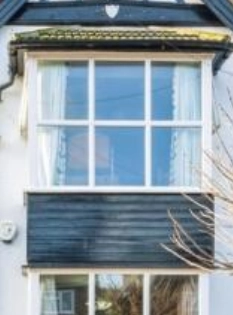
Photos would be useful - I'm guessing it's a bay window or similar?
 
Ensure there's ventilation between the cladding and insulation, otherwise it will rot. This is difficult to achieve from inside, but possible.

You'll also need a vapour barrier on the inside of the insulation, to stop moisture from the inside air condensing within the cavity and rotting the cladding and/or structural frame.

It's not trivial, but totally do-able. But definitely don't just casually stuff a load of Rockwool in or you'll have big problems in a few years.

Photos would be useful - I'm guessing it's a bay window or similar?

Thank you - that's helpful advice. I don't plan to remove the cladding from the front so I am pondering how I can secure a vapour barrier and the insulation without it making contact with the cladding. Maybe I'll only be able to go down the cavity as far as I can access.

I put some photos behind a spoiler tag in my original post; are there any others that would be helpful for me to share?
 
I've done a flat roof from below, which is the same scenario rotated 90 degrees!

I put very narrow battens, basically the thinnest wood sold by B&Q, pinned to the sides of the joists so their face is 50mm away from the roof (or cladding in your case). Then cut the PIR panels to fit between the joists so it bumps into these battens and can't go any further. Get the right thickness so it fills the remaining gap. Seal around the perimeter with any old cheap sealant - I wouldn't recommend expanding foam as it may spew out of the back into contact with the wood.

Beyond this, I then used 50mm PIR sheets over the whole lot, then a vapour barrier, then plasterboard. This vastly improves it, at the expense of interior space. Or use insulated plasterboard.

I decided against insulated plasterboard as I wanted to use the surface of the PIR as the vapour barrier. I taped over all joints with foil tape before plasterboarding.
 

If you need to find a tradesperson to get your job done, please try our local search below, or if you are doing it yourself you can find suppliers local to you.

Select the supplier or trade you require, enter your location to begin your search.


Are you a trade or supplier? You can create your listing free at DIYnot Local

 
Back
Top