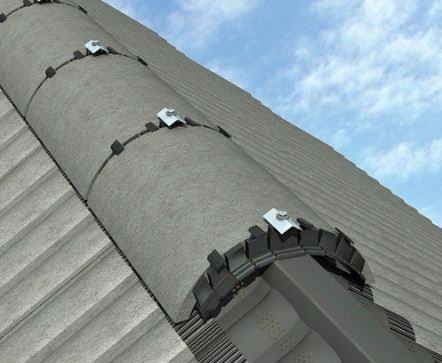
Is it my imagination or do these very supermodern new "systems" create numerous weak points for water ingress that were not in the original mortared joints "system !".

You are using an out of date browser. It may not display this or other websites correctly.
You should upgrade or use an alternative browser.
You should upgrade or use an alternative browser.
Dry Ridge Weak Points
- Thread starter rideforever
- Start date
It's for the new housing market, they only need to last 10yrs!

It's your imagination. Mortared joints have their issues too. Plus, the ridge is the least vulnerable (to rain) position on the roof.Is it my imagination or do these very supermodern new "systems" create numerous weak points for water ingress that were not in the original mortared joints "system !".
View attachment 426958
It is Not Dry ... actually.
Look at the following and you can see that the "system" is no longer a continuous barrier against rain but actually permits rain straight in under those tiles and then organises the dripping onto the membrane underneath which the clay tiles sit on no doubt cutting into it.
If "wind uplift" is the issue, the removal of mortar reduces the weight of the structure by at least 50% giving it a nice chance to fly off, especially as mortar no longer holds the sides down.
If the tiles are meant to be "mechancially fixed" ... to what?
To each other with plastic clips?
It thought the idea was to fix them to the ridge !
Are there not Victorian or prehistoric mortar ridges still working after centuries?
Or is the idea to put as much plastic everywhere just like into my new 501s Stretch?
Cost?
Oh the Dry Ridge is Double the price is it ....,
"Ah I See !" (quoting the rather nice flower girl from Palmeira Sq)
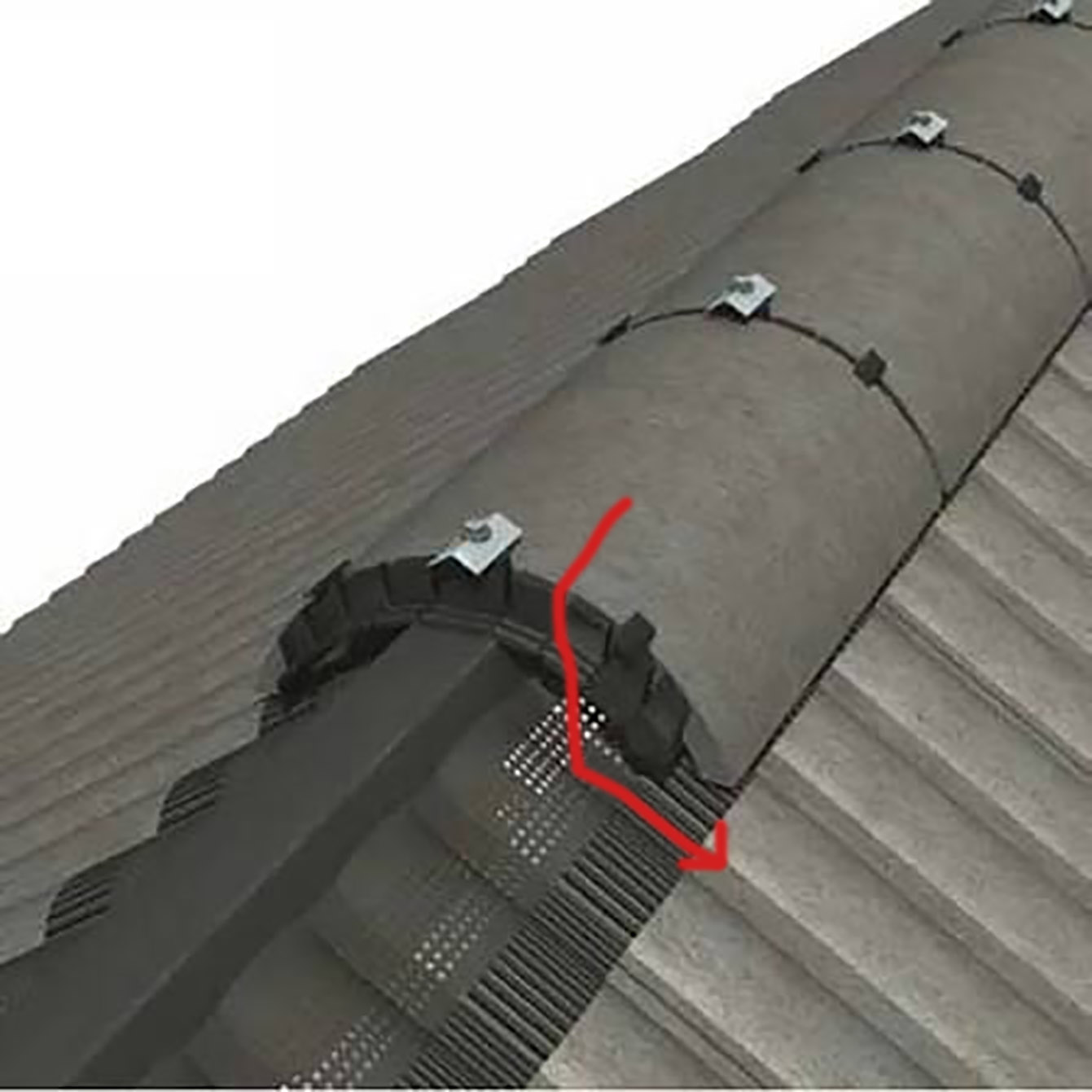
Look at the following and you can see that the "system" is no longer a continuous barrier against rain but actually permits rain straight in under those tiles and then organises the dripping onto the membrane underneath which the clay tiles sit on no doubt cutting into it.
If "wind uplift" is the issue, the removal of mortar reduces the weight of the structure by at least 50% giving it a nice chance to fly off, especially as mortar no longer holds the sides down.
If the tiles are meant to be "mechancially fixed" ... to what?
To each other with plastic clips?
It thought the idea was to fix them to the ridge !
Are there not Victorian or prehistoric mortar ridges still working after centuries?
Or is the idea to put as much plastic everywhere just like into my new 501s Stretch?
Cost?
Oh the Dry Ridge is Double the price is it ....,
"Ah I See !" (quoting the rather nice flower girl from Palmeira Sq)

They are an excellent product if fitted correctly.
properly fitted dry ridge holds up against storm weather much better than mortar mate. the screw and plastic union just clamp the tile down onto the ridge batten, the actual weatherproofing comes from the breathable roll underneath that sticks down to the tile profiles with butyl tape. mortar looks neater to some people but first hard frost we get it cracks and you're up on a ladder replacing blown bedding, whereas dry systems can flex in the wind without budging.
Actually it is and one of the reasons it's more favoured, especially during the winter.It is Not Dry ... actually.
The plastic jointers work and deflect the water where it needs to go, i.e. out onto the tiles.
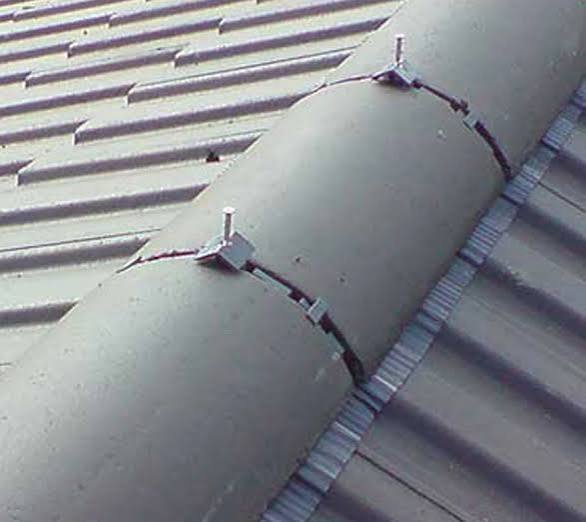
Looks to me that there are numerous holes between the ridges ... and the water goes straight into those holes and under the ridge tiles ... is that alright? Are they secretly just gushing onto the membrane underneath? And these pegs that stick up ... quite a few weakpoints isn't it. I hope they are all SS. I see they have a 10yr guarantee on roofing superstore.
And what happens when a tile fails?
The tile is no longer mortared to anything.
And if it falls off the entire ridge fails.
Tell me again ... who it was that came up with this ?
I often think the same about those "irons" that are placed at the bottom of ridges, often see them brown and crispy.
Did nobody think to put the fixings "under" the tile .... no?
> I am doing my own roof that's all I'm saying.
And what happens when a tile fails?
The tile is no longer mortared to anything.
And if it falls off the entire ridge fails.
Tell me again ... who it was that came up with this ?
I often think the same about those "irons" that are placed at the bottom of ridges, often see them brown and crispy.
Did nobody think to put the fixings "under" the tile .... no?
> I am doing my own roof that's all I'm saying.

- Joined
- 22 Jan 2007
- Messages
- 24,789
- Reaction score
- 3,779
- Country

No the water is deflected on to the tiles, no water under the ridges.Looks to me that there are numerous holes between the ridges ... and the water goes straight into those holes and under the ridge tiles ... is that alright? Are they secretly just gushing onto the membrane underneath?
No, it doesn't.And if it falls off the entire ridge fails.
Goes in here and comes out there, isn't it.
i.e. it is organised dripping under the tiles every time it rains, the membrane must be soaked.
One tile falls off and the entire ridge is unsupported, and has air gap for lift off?
And another gap like a bucket ready for the rain?
Is mortar that hard to mix in a bucket?
Why bother with tiles, just glue the membrane to the ridge and go home, get a red one etc...
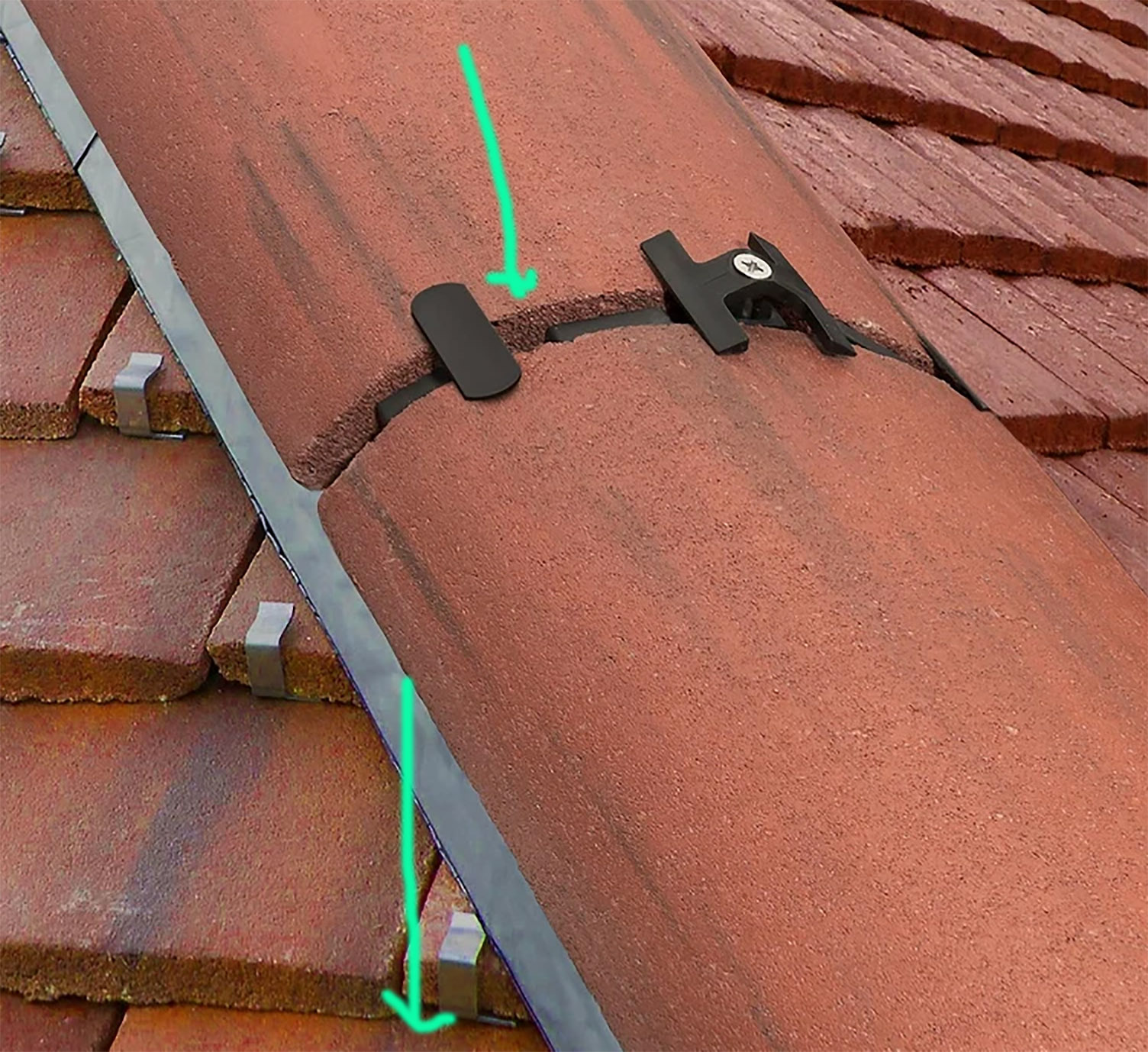
i.e. it is organised dripping under the tiles every time it rains, the membrane must be soaked.
One tile falls off and the entire ridge is unsupported, and has air gap for lift off?
And another gap like a bucket ready for the rain?
Is mortar that hard to mix in a bucket?
Why bother with tiles, just glue the membrane to the ridge and go home, get a red one etc...
- Joined
- 22 Jan 2007
- Messages
- 24,789
- Reaction score
- 3,779
- Country
No, the drip channels on the union pieces won't allow that.Goes in here and comes out there, isn't it.
No dripping under the ridges tiles at all, that would be pointless.it is organised dripping under the tiles every time it rains, the membrane must be soaked.
No. Why would a tile "fall off"?tile falls off and the entire ridge is unsupported, and has air gap for lift off?
- Joined
- 22 Jan 2007
- Messages
- 24,789
- Reaction score
- 3,779
- Country
Not really, but you'd need a lot of buckets for a whole new ridge.Is mortar that hard to mix in a bucket?

DIYnot Local
Staff member
If you need to find a tradesperson to get your job done, please try our local search below, or if you are doing it yourself you can find suppliers local to you.
Select the supplier or trade you require, enter your location to begin your search.
Please select a service and enter a location to continue...
Are you a trade or supplier? You can create your listing free at DIYnot Local
Similar threads

- Replies
- 7
- Views
- 4K
