OK
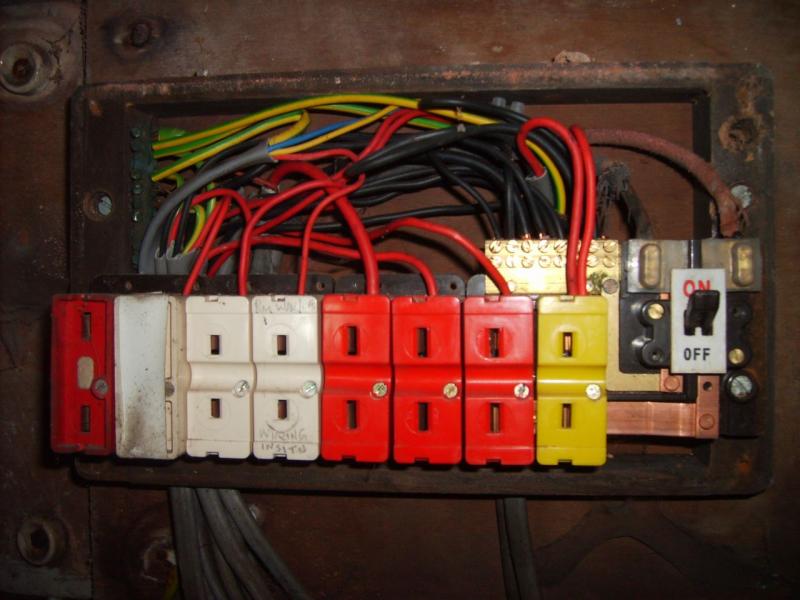
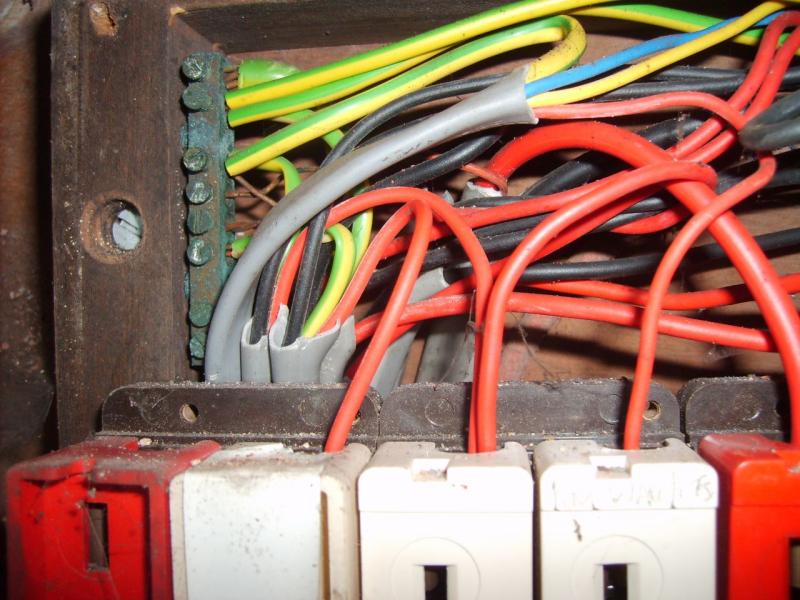
What I was thinking was it might be useful to see if the earthwires of the lighting circuits are connected to the brass earth block, and also if the main earth is connected to something reliable (preferably an earthing point provided by the electricity supplier).
If not, it might be easy or not so easy to rectify it.
You say thay your lighting circuits are in T&E but some earths not connected, so it might have been done by someone who had been used to unearthed lighting circuits, say in the late 1960's or early 1970's.
Most earthing and bonding is a fairly straightforward DIY job, and is not notifiable work.
The push-button MCBs are probably 1970's or 80's so it could be worse.
Is your CU grey or cream metal, or white or brown plastic? And is it marked Wylex or MEM or some other brand?
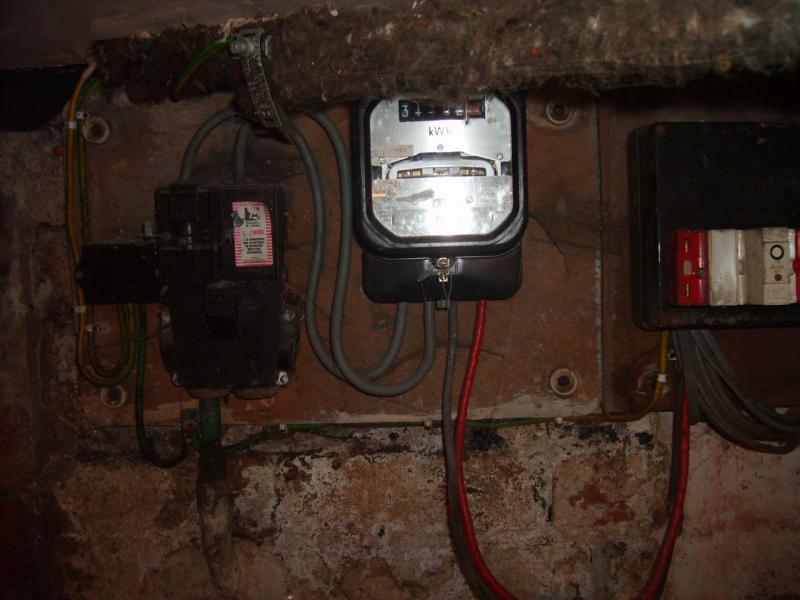
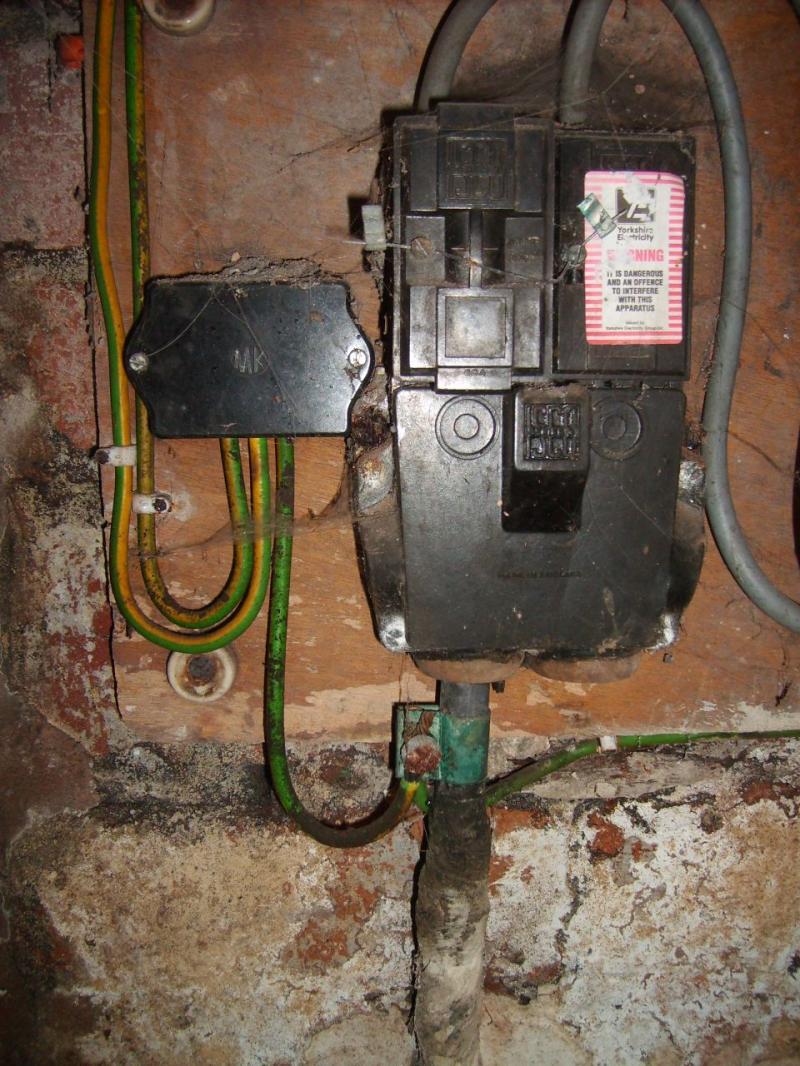
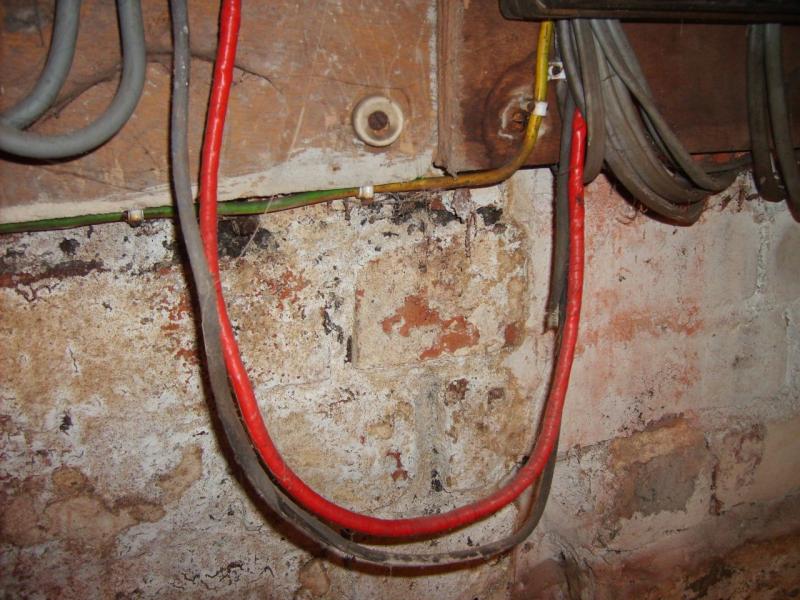
Also, have a look round the main switch, it should say "total load not to exceed NN amps" where NN may be 60 or 100 or some other number. the number gives an indication of age, and size and type of main switch. A photo of the outside, and the meter, the incoming service head, and the cables around them, especially any bare copper or green-and-yellow sheathed ones, and anything seemingly clamped onto the incoming supply cable and any gas or water pipes, will be useful.
You are right not to open the CU until you have good torch or lantern with you. If opening it, beware that old Wylex CUs (which yours most probably is) have exposed brass incoming terminals and screws at the top of the main switch when you open the cover (later ones have a translucent plastic push-on cover, or a brown plastic escutcheon to the main switch that prevents accidental contact). Apart from that, and any wrongful connections, the main switch cuts power to everything inside, but a pic would be very interesting when you can do it.
You may (not) be comforted to know that unearthed lighting circuits, and poor bonding, are very common faults in older houses.