
No it's not.securespark said:And why don't PVCu windows degrade? Same material.........
PVCu
The "u" stands for unplasticised...

No it's not.securespark said:And why don't PVCu windows degrade? Same material.........
You're just a complete f**kwit aren't you. I hope you live alone - the thought of you coming to grief because of your stupidity and refusal to take advice doesn't bother me, but I'd hate to think that your gross negligence results in harm to someone else.yellowperil said:Look, I do find your bickering amusing, especially as I have stated that the job is done, but enough is enough, ok?
For those who really want to know what I did in the end....
I used white PVC twin and earth, which is attached to the outside wall via cable clips at about 1 foot above ground level.
I decided against the good advice of using galvanised trunking due to the fact I couldn't be bothered with the agro.
A reputable local wholesalers supplied the cable and told me I didn't need a special type of cable for outside as long as the circuit is RCD protected(which it is).
If this only last 10 years then no problem, I'll do the job again as I have about 20 metres of spare cable in the garage and the whole job only used 5 metres...so I reckon I have around 50 years worth of cable before I need to go and buy any....If I'm still alive at 90 then I will maybe consider that I should have used the galvanised conduit...mmmmmm

You're just a complete f**kwit aren't you. I hope you live alone - the thought of you coming to grief because of your stupidity and refusal to take advice doesn't bother me, but I'd hate to think that your gross negligence results in harm to someone else.
Thank God for that.yellowperil said:I will not reply to any more posts
Ask your qualified electrician to read your post and I'll interested to hear what the feedback is.yellowperil said:i have a fully qualified electrician friend who is coming at the weekend to take a look at my work, but from what i've told him so far, he can't see i've done anything wrong.
yellowperil said:no one on here seems to have a sense of humour, how sad,
Electricity does not have a sense of humour neither,
And that nice "white" cable running horizontally along an outside wall is going to be irresistable to curious toddlers
And all those big strong T&E cable clips will stop the toddlers from pulling the cable off the wall (Won't they)
I'm beginning to like "Part P" more, And more,
ban-all-sheds said:It's not designed for use outside - you'd not be able to keep water out. This might not be an issue, but it's a factor to consider.
I think you might be confusing us here:towman said:ban-all-sheds said:It's not designed for use outside - you'd not be able to keep water out. This might not be an issue, but it's a factor to consider.
Surely with the use of suitable sealants at joints keeping water out would be no different to steel conduit? Obviously care needs to be taken at exit points etc (downward exits etc) - but still has to be better than no protection at all? (And is a damn sight easier to work with!) Anyway thanks for info/opinion!
Trunking:You said:what's position regarding UPVC trunking & T&E outside
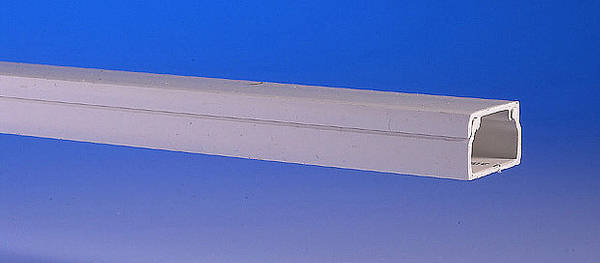
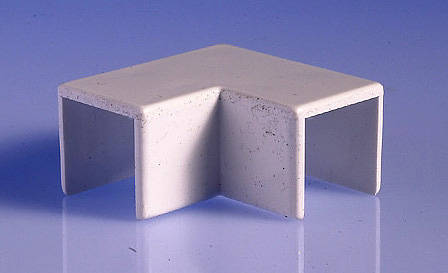
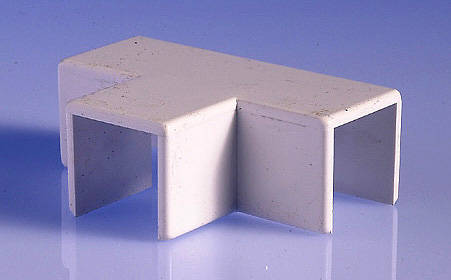
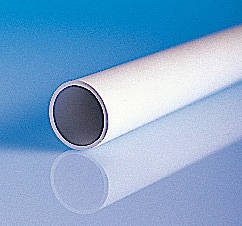


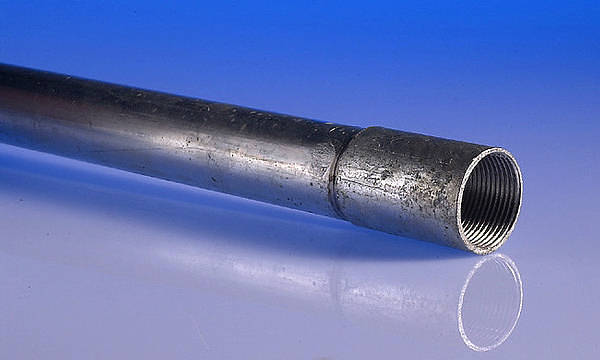
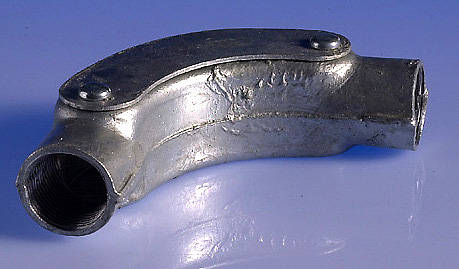
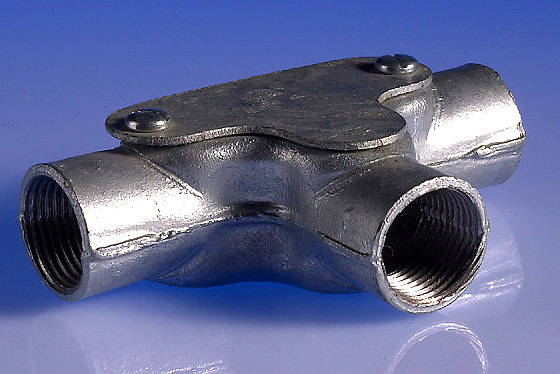

 (note not 200 as the tlc direct website would have you believe. ) So in many cases the next size up in cable should be fitted in sun-exposed locations. The saving grace for all those who don't do the de-rating sums properly is that most electrics is not on full power all the time, and the thirsty stuff is heating circuits and fan heaters that are usually off on hot days....

If you need to find a tradesperson to get your job done, please try our local search below, or if you are doing it yourself you can find suppliers local to you.
Select the supplier or trade you require, enter your location to begin your search.
Are you a trade or supplier? You can create your listing free at DIYnot Local


