Too many instructions are presented in pictures rather than words these days, I often think WTF is that picture trying to tell me? Give me a few pages of clear text any day.

You are using an out of date browser. It may not display this or other websites correctly.
You should upgrade or use an alternative browser.
You should upgrade or use an alternative browser.
Plug in solar
- Thread starter UKMICKY
- Start date

- Joined
- 22 Jan 2007
- Messages
- 24,526
- Reaction score
- 3,675
- Country

You can't, there is nothing physically stopping people DIYing solar currently, or even installing their own full blown solar system. Or rewiring a house, or fitting a gas boiler.I know said tongue in cheek, but this is the problem. If more than one per household, how do you stop people doing something daft?

- Joined
- 27 Jan 2008
- Messages
- 29,499
- Reaction score
- 3,632
- Location
- Llanfair Caereinion, Nr Welshpool
- Country
I must agree, even a simple book case becomes a problem to assemble.Too many instructions are presented in pictures rather than words these days
Nor do any laws stop it, only with gas are we not permitted to DIY, it may be that it works out more expensive to DIY, but nothing stops one.You can't, there is nothing physically stopping people DIYing solar currently
As it stands, the hoops required do DIY solar which connects to the grid to export means it is not really a viable option if following all the rules, until 27 August that is.
But the battery systems which can only import, as it stands, it does seem a better idea to the proposed plug in solar.
The access to under my floor stops me. I have looked at a split supply for years, essential and desirable final circuits. The question is, when there is a finite amount of energy, what do you call essential? As it stands, only central heating and freezers.
But, in the main, plug in solar is for rented accommodation, so the major question is how do you bring power into the home from outside? We do have a number of routes, disused tumble drier vents would allow a cable with plug, but most other vents, one would need to remove the plug, so they are not an option.
So the other route is the outside socket, in the main we have two types, the P2G EV socket, and the 13 amp socket, and all the talk about if on a ring, radial, or a spur, really does not matter, you have an outside socket, and that is likely the only route into the home, so take it or leave it.
So the question is really how to know if the outside socket is suitable? So we are looking at a tenant who is about to move home, and as he walks around his prospective new home, how can he work out if his plug in solar can be plugged in with this home?
So he sees an outside socket, and he will be give a copy of the current EICR as English landlord laws require. So what on the EICR tells the tenant if that socket can be used for solar? On a viewing he/she is hardly going to be switching all MCB's or RCBO's on/off to find what supplies the outside socket.
Well it seems that has been considered, the changes say the consumer unit must be labelled, so on the CU we should see outside sockets on some overloads, OK who thinks that will really happen?
- Joined
- 22 Jan 2007
- Messages
- 24,526
- Reaction score
- 3,675
- Country
He follows the DIY instructions that come with it to establish that. If he cannot he should contact a professional.how can he work out if his plug in solar can be plugged in with this home?
There is nothing physically stopping them doing whatever they like though, as is the case with everything else they choose to ignore.
- Joined
- 27 Jan 2008
- Messages
- 29,499
- Reaction score
- 3,632
- Location
- Llanfair Caereinion, Nr Welshpool
- Country
When I bought this house, I did get a surveyors report, but plug in solar, is designed for the rental sector, and to employ a surveyor or electrician to do a home buyers report or EICR before signing a rental agreement is not really practical, and anyway there will already be an EICR, so this should show if the outside socket is suitable, I have never included this information on any EICR I have written, have you?He follows the DIY instructions that come with it to establish that. If he cannot he should contact a professional.
So will new EICR show if outside socket is suitable?
- Joined
- 22 Jan 2007
- Messages
- 24,526
- Reaction score
- 3,675
- Country
Not if they don't already include it as standard. They aren't for rentals only, so many won't even have an EICR.So will new EICR show if outside socket is suitable?
- Joined
- 27 Jan 2008
- Messages
- 29,499
- Reaction score
- 3,632
- Location
- Llanfair Caereinion, Nr Welshpool
- Country
Yes, agreed, but for an owner occupied house, one can have a socket installed so one can modify the installation to allow use of solar without a battery, as to why is another question, as without a battery it is a bit useless, so as it stands yes owner-occupier could use them, but clearly aimed at rental sector.They aren't for rentals only
Again at the moment no one has legal plug in solar, so anyone considering it, can check the home has an outside socket suitable for plug in solar.
However, the whole idea is that tenants can take it with them home to home. So a tenant needs to be able to work out when viewing a prospective new home, if they can use the plug in solar from their last rented property.
So if I look at this house, there are three outside sockets, I know where fed from, but a prospective tenant would not, and it would not be easy to find out before signing an agreement.
I would not expect there to be a problem with all but two double sockets in this house, and they are clearly marked EPS, but I have seen nothing in the report to say the instructions should say that plug in solar should not be used with UPS or EPS sockets. We both know it should not be used, but I see nothing in the instructions to say that.
- Joined
- 22 Jan 2007
- Messages
- 24,526
- Reaction score
- 3,675
- Country
If they already have one then they'll have the instructions and know what to look out for. But I think that a rental property being suitable for plug in solar with be far down the list of expectations, if it appears at all.So a tenant needs to be able to work out when viewing a prospective new home, if they can use the plug in solar from their last rented property.
I really don't agree with that.but clearly aimed at rental sector.
- Joined
- 27 Jan 2008
- Messages
- 29,499
- Reaction score
- 3,632
- Location
- Llanfair Caereinion, Nr Welshpool
- Country
Please expand. As a homeowner I can drill holes where I want, and run cables where I want to hard-wire solar panels and batteries into my system. And I save as much money with the batteries as I do with the solar panels, they compliment each other, so solar, batteries, and split tariffs all work together.I really don't agree with that.
I don't even need to have my solar feed into the grid, I can charge batteries and use solar as an independent supply, there are so many options. And to have solar without batteries, is just going to mean much of the energy I harness is sold at just 12p/kWh so rather a waste.
But the tenant has no option, and so the plug in solar at long last gives the tenant the option to gain a little from solar, rather limited as no battery, but something is better than nothing, so with an outside socket, it all becomes so easy, and once bought it can be moved home to home.
Owner occupiers are unlikely to take solar with them home to home, this is something unique to the rental sector. OK those who move from rented to owner occupied can still take the solar panels with them, but they can also modify the new home to suit, this is not open to people moving into another rented home.
So in real terms, it's likely to be a case, of oh theirs a handy socket, I'll use that.
As to renters notifying the DNO when they remove solar, what do you think are the chances? Telling the DNO when fitted, to get the second MPAN number and be paid for export, yes, can see that happening, but telling them when unplugged, that seems unlikely.

- Joined
- 18 Apr 2022
- Messages
- 7,354
- Reaction score
- 1,123
- Country
only with gas are we not permitted to DIY
Yes, we are.
- Joined
- 18 Apr 2022
- Messages
- 7,354
- Reaction score
- 1,123
- Country
The maximum sum of wattage permissible is 2000, so two 800w units. It's still currently only one per household though, under different regulations.
How long before someone installs a 6-, 8-, whatever-way CU from Henlys and only uses it for plug-in solar...
- Joined
- 22 Jan 2007
- Messages
- 24,526
- Reaction score
- 3,675
- Country
The amended law or the product specification don't mention the rental market once.Please expand.
You might think it is well suited to tenants but that doesn't mean the whole change is targeted at them.
- Joined
- 18 Apr 2022
- Messages
- 7,354
- Reaction score
- 1,123
- Country
I think it's only one per household until/if other regulations change as well.
This seems very thorough:
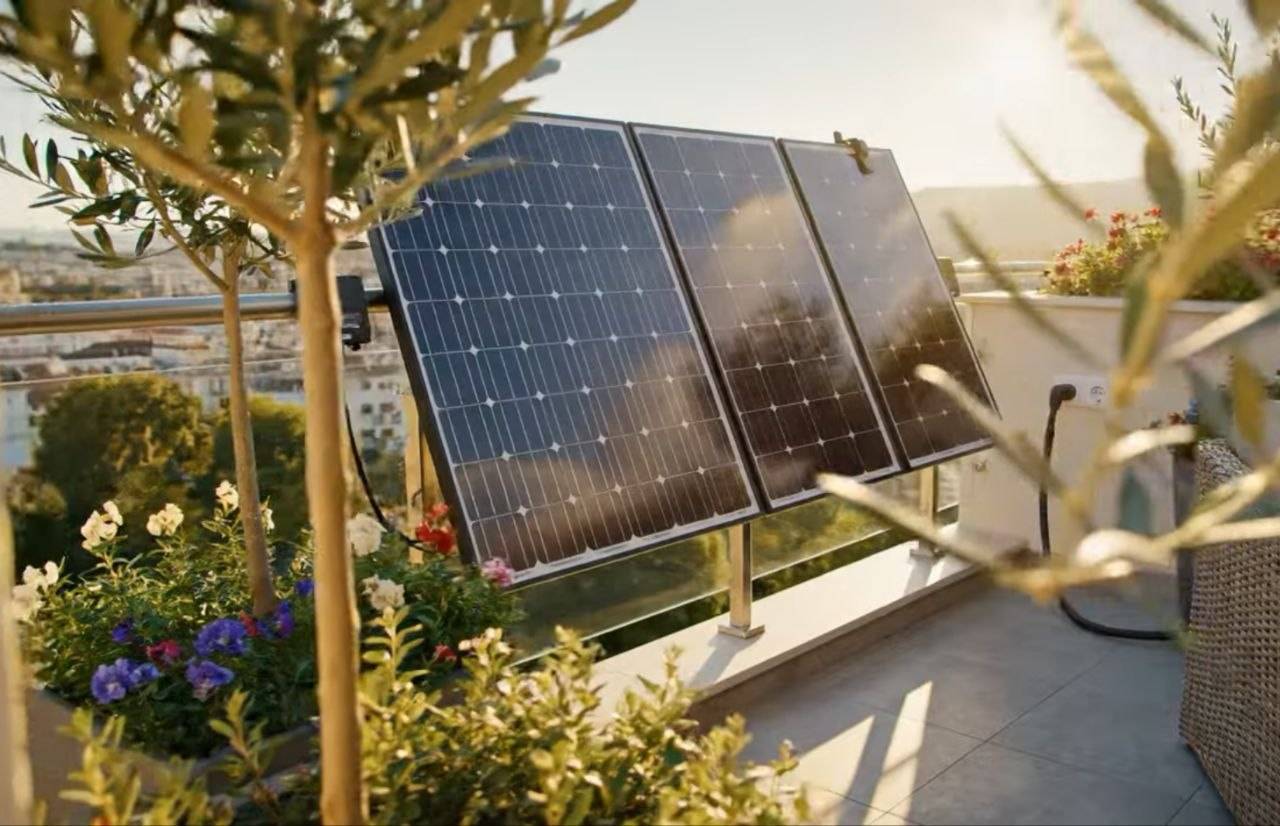
Plug-in Solar Panels UK: Rules, Limits & Dates (2026)
Plug-in solar becomes legal on 27 August 2026: the 800W socket rule is law, but no kit is certified yet. The kits on sale are the wrong kits: the specification is PV-only with no storage, while every plug-in kit in UK shops today has a battery in it (EcoFlow STREAM Pro £799 to Ultra X £1,249...
 solarenergyconcepts.co.uk
- Joined
- 18 Apr 2022
- Messages
- 7,354
- Reaction score
- 1,123
- Country
The amended law or the product specification don't mention the rental market once.
You might think it is well suited to tenants but that doesn't mean the whole change is targeted at them.
Nothing creates a right for tenants to install, unlike, it seems, in Germany.
- Joined
- 22 Jan 2007
- Messages
- 24,526
- Reaction score
- 3,675
- Country
Yes, pretty good summary.This seems very thorough:
Plug-in Solar Panels UK: Rules, Limits & Dates (2026)
Plug-in solar becomes legal on 27 August 2026: the 800W socket rule is law, but no kit is certified yet. The kits on sale are the wrong kits: the specification is PV-only with no storage, while every plug-in kit in UK shops today has a battery in it (EcoFlow STREAM Pro £799 to Ultra X £1,249...
Edit - except the cardinal sin of conflating Part P of the Building Regulations with the notification requirements in Approved Document P. For one.
Last edited:

DIYnot Local
Staff member
If you need to find a tradesperson to get your job done, please try our local search below, or if you are doing it yourself you can find suppliers local to you.
Select the supplier or trade you require, enter your location to begin your search.
Please select a service and enter a location to continue...
Are you a trade or supplier? You can create your listing free at DIYnot Local
