Which silicone sealant? Dow Corning 796?

Joined
10 Feb 2025
Messages
4
Reaction score
1
Country
United Kingdom
Just a quick question. I'm repainting my kitchen and removed the old silicone sealant that was used on the inside of windows and topside of granite countertop. The old sealant was put on by the original contractors (new build) and was stripping in areas.

I've used the decorators caulking before, in other room, but don't like the end results as they tend to show cracking fairly quickly. So in wanting to use a white silicone type sealant instead, I found many recommendations for Dow Corning sealants. Especially the Dowsil 796, especially when it comes to use with PVC windows.

The question I have though, is will the 796 be good for sealing the top of the small granite back splash to the painted wall? This was the sealant that needed replacing the most as it was behind the sink and was displaced due to the wet conditions.
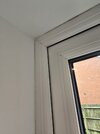
 

Attachments

  • 20250210_140355.jpg
    20250210_140355.jpg
    277.4 KB · Views: 78
  • 20250210_140245.jpg
    20250210_140245.jpg
    239.2 KB · Views: 69
But isn't acetoxy sealants not good for granite and stone?
Thanks, I wasn’t aware. Maybe speak to Dow technical then and ask them what’s suitable, failing that, you could try it (796) as after all, it is water proof.
 
Last edited:
You can't paint over silicone. It repels the paint. When, in the future, you try to cut in, the cut in line will rapidly become ragged.

I would recommend a MS polymer such as CT1. They are almost as flexible as silicones but have the advantage of being paintable.

Edit- you might want to apply a "waterproof" coating over the area behind the sink before applying the silicone or CT1. It looks like the water made the emulsion wet and that lead to the silicone failing (because the silicone was stuck to the failing paint).
 
You can't paint over silicone. It repels the paint. When, in the future, you try to cut in, the cut in line will rapidly become ragged.

I would recommend a MS polymer such as CT1. They are almost as flexible as silicones but have the advantage of being paintable.

Edit- you might want to apply a "waterproof" coating over the area behind the sink before applying the silicone or CT1. It looks like the water made the emulsion wet and that lead to the silicone failing (because the silicone was stuck to the failing paint).
The thing is, I don't really want to paint over it. I prefer the finish of the silicone being put on after... it looks tidier to me. That and the fact the paintable caulkings I've use before, all crack in short order.

I have looked at CT1 before but was told it can be extremely difficult to remove, if I wanted to remove it in the future.

Yes, your synopsis about the emulsion becoming wet is spot on. That's exactly what happened.
I have applied Zinsser Guardz sealer to the plasterboard before re-painting. I have thought about waterproofing over the paint, but can't find any that will leave a matt finish. I did repaint it using Dulux Trade Diamond Matt, to hopefully give it a better chance. It's either that or adding an additional tiled back splash to cover that are. Or having a glossy finish paint for just that section.
 
The thing is, I don't really want to paint over it. I prefer the finish of the silicone being put on after... it looks tidier to me.

Fair enough, but each time you repaint, are you going to remove all traces of the silicone (a very, very slow process), paint and then resilicone?

the paintable caulkings I've use before, all crack in short order.

MS polymers are nothing like decorators' caulk. My go to caulks are Everbuild 125 or Dow Painter's Mate. Once cured, neither "cracks" when painted with a decent quality emulsion such as Dulux Trade emulsion. In reality, most of the time, it is film of paint which has cracked, and not the caulk. To be honest, I don't fully understand why that happens with certain paint/caulk combinations. I do however find that applying a waterproof coating such as Zinsser BIN first prevent the emulsion from cracking.

I have looked at CT1 before but was told it can be extremely difficult to remove, if I wanted to remove it in the future.

Not sure why you were told that. It is very slightly more rigid than silicone, but when it come to painting, unlike silicone, you don't need to remove all traces of it. I will, however, say that it is slightly more difficult to smooth than silicone. It is stickier than silicone and, unlike silicone, you cannot use dilute washing up liquid as a release agent when smoothing. You can use the likes of Big Wipes spray, additionally you can dip your finger in white spirit.
 

If you need to find a tradesperson to get your job done, please try our local search below, or if you are doing it yourself you can find suppliers local to you.

Select the supplier or trade you require, enter your location to begin your search.


Are you a trade or supplier? You can create your listing free at DIYnot Local

 
Back
Top