Cavity wall insulation - wall plate

Joined
12 Oct 2024
Messages
211
Reaction score
11
Country
United Kingdom
Hi all,

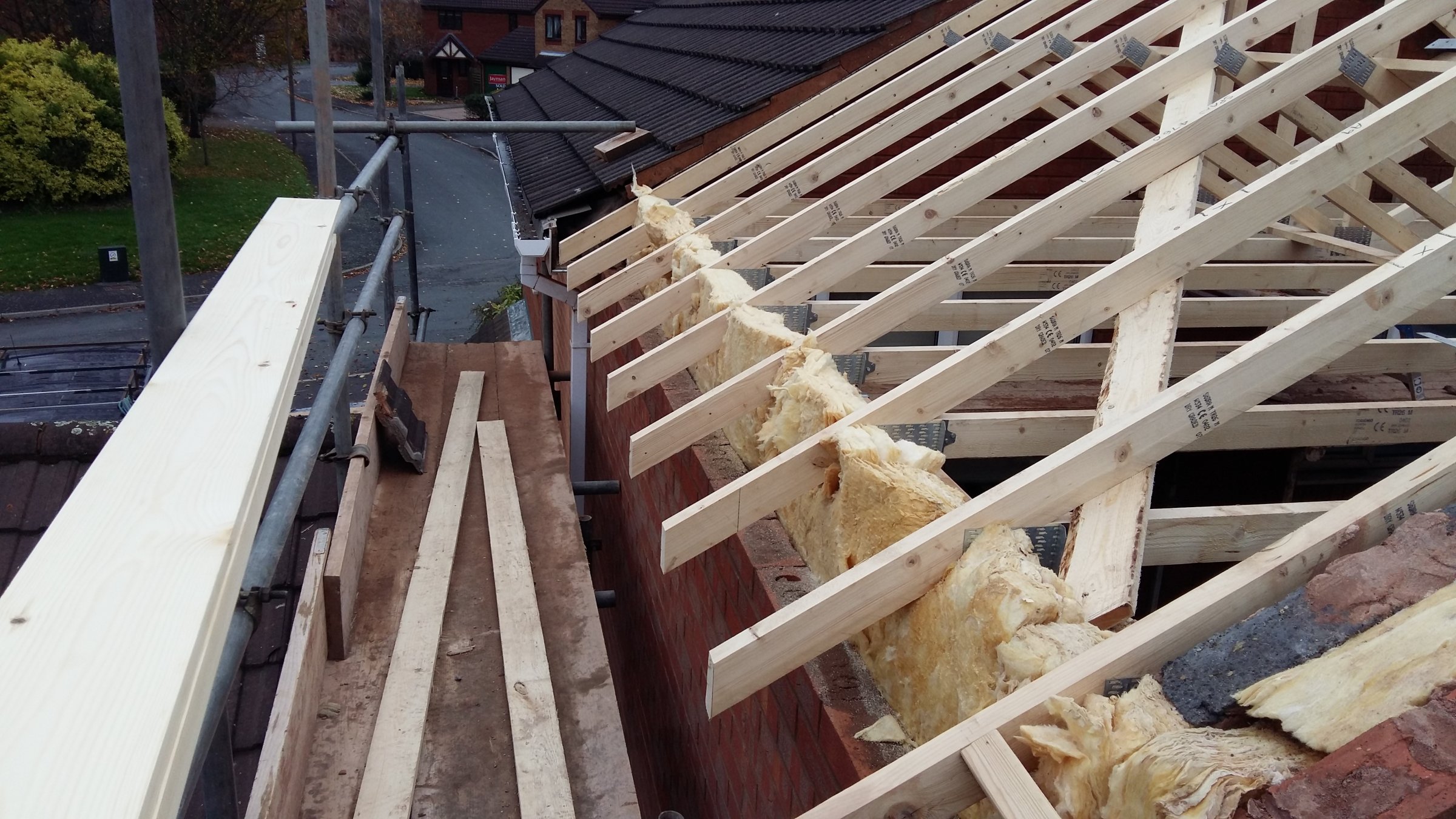
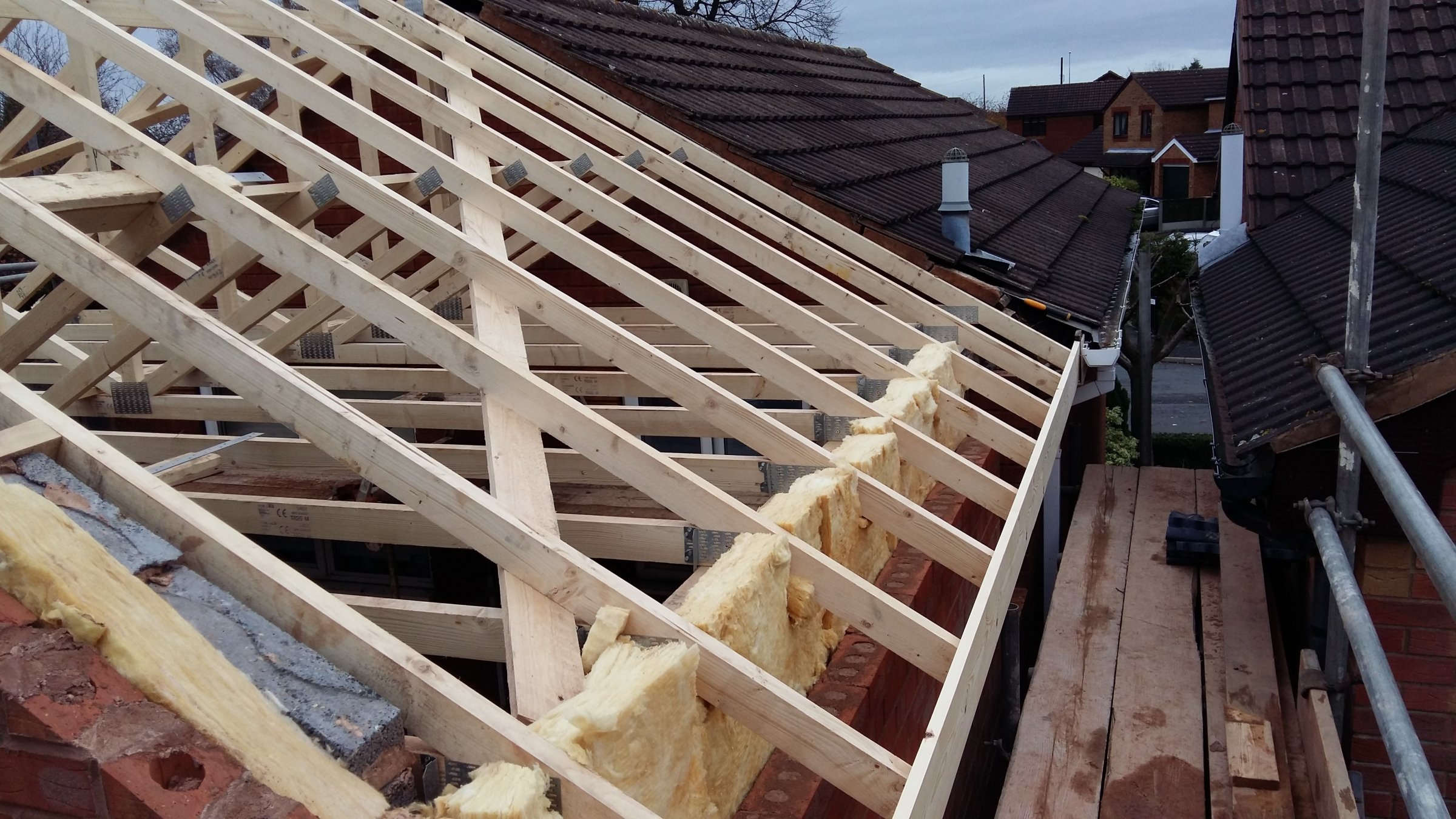
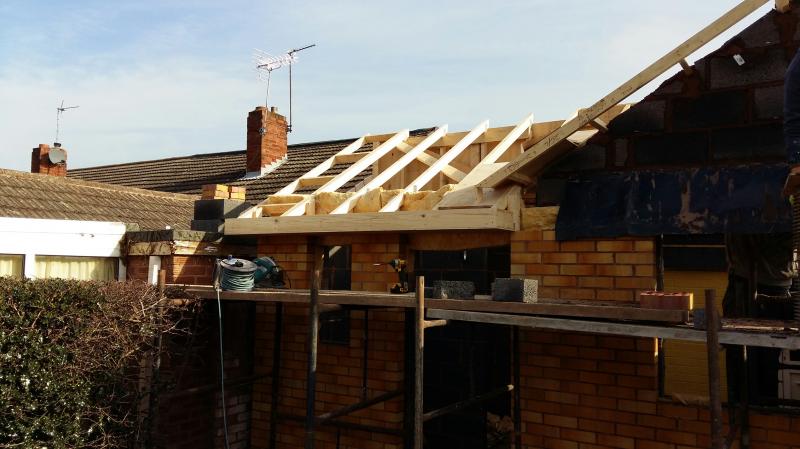
My extension is now having the soffits done. The inner block skin is noticeably higher than the outer skin. The wall insulation finished at the top of the outer skin. I asked the builder how the top of the inner wall would be insulted given there is a good 30cm above the wall insulation to the top of the wall plate. He has cut more cavity wall insulation to take it further up past the top of the outsider skin but it now stops at the bottom of the wall plate.

This means the wall plate will not be insulated so would be a cold spot at the top of the inner wall? I asked how he would address this and he said he doesn't usually do it.

The rafter spars are in the way at 600mm intervals and he said building control don't want the tops of cavities closed off. I had suggested rolling loft insulation down over the final top bit of the inner skin to basically close off the cavity and maintaining insulation. Perhaps using baton between the rafters, or some kind of tray, to maintain ventilation from the soffits and in to the attic.

Thoughts? Does this matter?

The cavity wall insulation is a 90mm type with a 10mm gap (in practice there isn't much of a 10mm gap!)
 
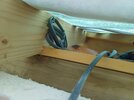
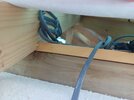
Some photos...
 

Attachments

  • 20250611_105356.jpg
    20250611_105356.jpg
    349 KB · Views: 68
  • 20250611_105344.jpg
    20250611_105344.jpg
    319.3 KB · Views: 74
It needs to meet with the roof insulation, which we can't see.
There appear to be gaps, is he using expanding foam to fill them?
 
Roof insulation hasn't gone in yet so I'm keen to ensure we proceed correctly beforehand.

So are you saying the Roof insulation needs to go over the top of the wall plate and meet the top of the cavity insulation? Presumably something is needed to keep the roof insulation off the roof membrane and maintain a gap?

Are you recommending expanding foam for the gaps around the cavity wall insulation?

Thanks
 
Roof insulation hasn't gone in yet so I'm keen to ensure we proceed correctly beforehand.
What insulation is going in, and what is the final roof covering?
So are you saying the Roof insulation needs to go over the top of the wall plate and meet the top of the cavity insulation? Presumably something is needed to keep the roof insulation off the roof membrane and maintain a gap?
The and roof insulation must meet, otherwise you'll have a cold spot. Whether a gap need to be left depends on the other details. Are there drawings for this build?
Are you recommending expanding foam for the gaps around the cavity wall insulation?

Thanks
Yes, they should be fitted as tightly as possible, any joints that don't quite meet up should be foamed. Ideally joints should be taped too.

Noseall will be along shortly with a photo.
 
Thanks for the replies!

The roof insulation will be the usual roll stuff, 100mm and 200mm above the ceiling board. Roof covering is concrete tiles above Vent3 membrane. Soffits are vented.

I will get him to address this cold spot area. The only trouble is, there isn't much room between the roof membrane and the top of the wall plate. So will be impossible to get the 200mm roll over the top without it touching the roof membrane. Even with ventilation trays that will be difficult as only the thickness of the rafters is available on top of the wall plate (outer part). So we may need to use something thinner like 50mm wall bats over that part and make the best of it that way.

Or put the ceiling insulation to the inside of the wall plate and put something extra that will fit to the top off the cavity wall insulation over the outside of the wall plate. So top of the wall plate won't have much if anything over it.
 
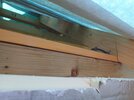
These might show better what I mean about the limited space between roof membrane and top of wall plate...
 

Attachments

  • 20250611_125026.jpg
    20250611_125026.jpg
    219.2 KB · Views: 68
  • 20250611_125020.jpg
    20250611_125020.jpg
    208.4 KB · Views: 59
  • 20250611_124807.jpg
    20250611_124807.jpg
    229.7 KB · Views: 58
Plenty of space in there for an eaves ventilation tray, they aren't very deep.
The question is, why are you using loft roll insulation when you can use PIR at half the thickness? 100mm between, 50mm underneath.
 
Plenty of space in there for an eaves ventilation tray, they aren't very deep.
The question is, why are you using loft roll insulation when you can use PIR at half the thickness? 100mm between, 50mm underneath.
It's around 60mm at the tightest point, partly because the wall plate had to be raised owing to the truss design.

I've spoken to the BC inspector and he has said with the need to keep insulation away from the felt (what is the required gap, 50mm?), that the main thing is to have insulation to the top of the wall within cavity and over the internal space within the loft. The actual wall plate doesn't necessarily need the insulation over it. So this helps.
 
Right, so a flat ceiling is going in? It did look to me that this was a vaulted roof extension, hence he confusion.

Eaves tray is available in at least 30mm depth, possibly less.
When you mention 50mm gap, you may be referring to a cold flat roof, which requires 50mm under the deck, not so the case here.
 
Last edited:
Hi all,

My extension is now having the soffits done. The inner block skin is noticeably higher than the outer skin. The wall insulation finished at the top of the outer skin. I asked the builder how the top of the inner wall would be insulted given there is a good 30cm above the wall insulation to the top of the wall plate. He has cut more cavity wall insulation to take it further up past the top of the outsider skin but it now stops at the bottom of the wall plate.

This means the wall plate will not be insulated so would be a cold spot at the top of the inner wall? I asked how he would address this and he said he doesn't usually do it.

The rafter spars are in the way at 600mm intervals and he said building control don't want the tops of cavities closed off. I had suggested rolling loft insulation down over the final top bit of the inner skin to basically close off the cavity and maintaining insulation. Perhaps using baton between the rafters, or some kind of tray, to maintain ventilation from the soffits and in to the attic.

Thoughts? Does this matter?

The cavity wall insulation is a 90mm type with a 10mm gap (in practice there isn't much of a 10mm gap!)
As per Delux - the wall inso needs to meet the roof inso...


he said he doesn't usually do it.
Builders

Insulation layer should be contiguous, up the cavity and over the top of the wall plate and into the ceiling joists/rafters

is he using expanding foam to fill them?
Doesn't always give a satisfactory result, in my opinion; I'd prefer to fill any gaps with wool; - faster, cleaner and gives a better overall fill, I find

The actual wall plate doesn't necessarily need the insulation over it
Can't understand what you're saying there. Maybe draw a picture? Your wall plate is not made of an inherently highly insulating material; wood is better than stone, but nowhere near designed for purpose insulation. If you're ventilating over your wall plate you need to insulate it
 
Last edited:
Builders

Insulation layer should be contiguous, up the cavity and over the top of the wall plate and into the ceiling joists/rafters


Doesn't always give a satisfactory result, in my opinion; I'd prefer to fill any gaps with wool; - faster, cleaner and gives a better overall fill, I find


Can't understand what you're saying there. Maybe draw a picture? Your wall plate is not made of an inherently highly insulating material; wood is better than stone, but nowhere near designed for purpose insulation. If you're ventilating over your wall plate you need to insulate it
So what is the minimum air gap required over the wall plate between soffit vents and loft space?

I will get the builder to put these ventilation trays in and we will just have to put as much insulation over the wall plate as will fit in the small space available. However, we do need an air gap between insulation and felt.

Also, is it possible to fit these trays from the inside before plasterboard goes in? I hope so!
 
25mm is often mooted as a minimum. The trays are bendy plastic, they sometimes affix to the top of the rafters, but you can fit them in how you like, as long as they don't fall out.

You don't technically need trays, as long as you maintain the gap.
You can cut the insulation to match the slope (could be tricky with roll), just pull it back slightly to allow the airflow, or use loads of cut pieces of 25mm conduit that the electricians have thrown in the skip.
Other ingenious methods are available.
 

If you need to find a tradesperson to get your job done, please try our local search below, or if you are doing it yourself you can find suppliers local to you.

Select the supplier or trade you require, enter your location to begin your search.


Are you a trade or supplier? You can create your listing free at DIYnot Local

 
Back
Top