No, it just means the Reform party has to comply with the rules of the electoral commission and Political Parties, Elections and Referendums Act , both of which are basic and don’t require parties to have much in the way of a democratic structure.
Farage needs no democratic mandate from his own party membership.
All other political parties are bound by the rules of their own constitutions when electing a leader, whereas Reform do not currently have a constitution by which to be bound, nor is there a committee (chosen by members) to handle internal party affairs.
This means there is no formal role assigned to their membership during leadership elections, unlike with all other political parties. Beyond this, it means that the largest shareholder is essential unbound within the organization.
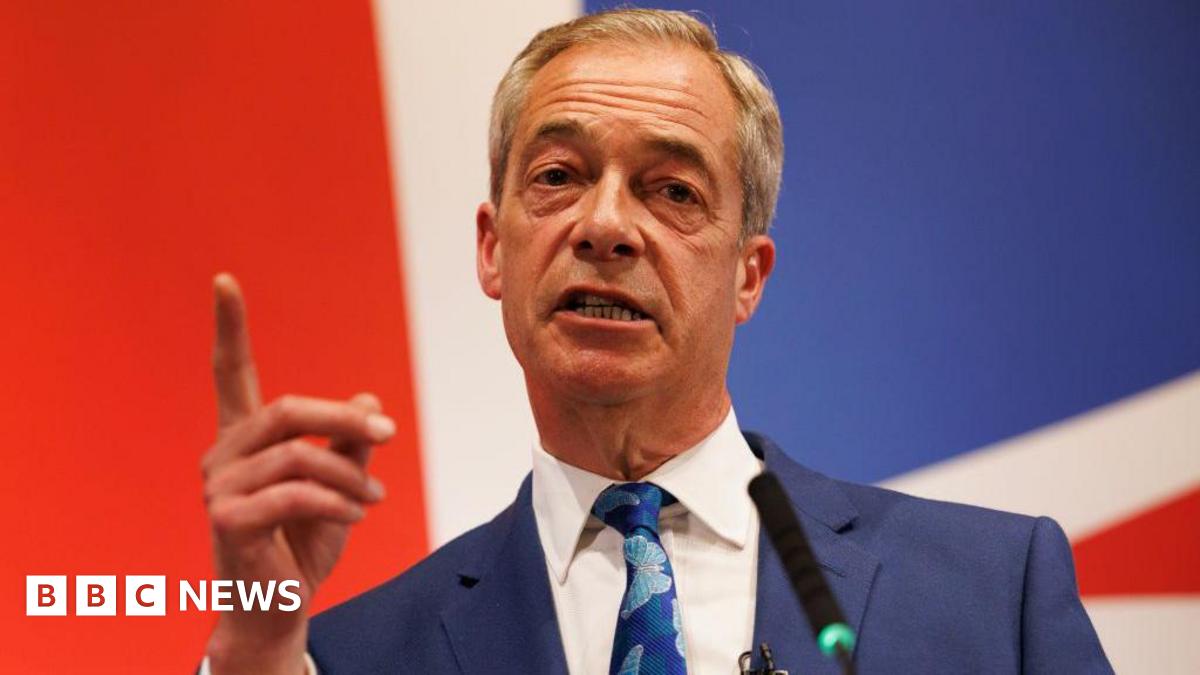
Nigel Farage has consequently been able to ‘elect’ himself to the role of party leader. Democratically, this is potentially highly concerning. If, as many predict could happen, Reform continue to perform well in national elections over the coming years, the leader of one of the most influential parties at Westminster could have no democratic mandate from his own party membership



 www.bbc.co.uk


