Connect Aco drain to hopper/gulley

Joined
1 Sep 2026
Messages
6
Reaction score
0
Country
United Kingdom
Hello,
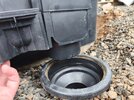
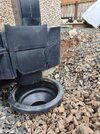
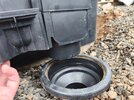
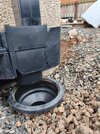
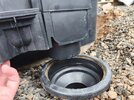
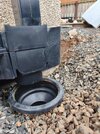
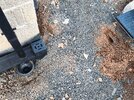
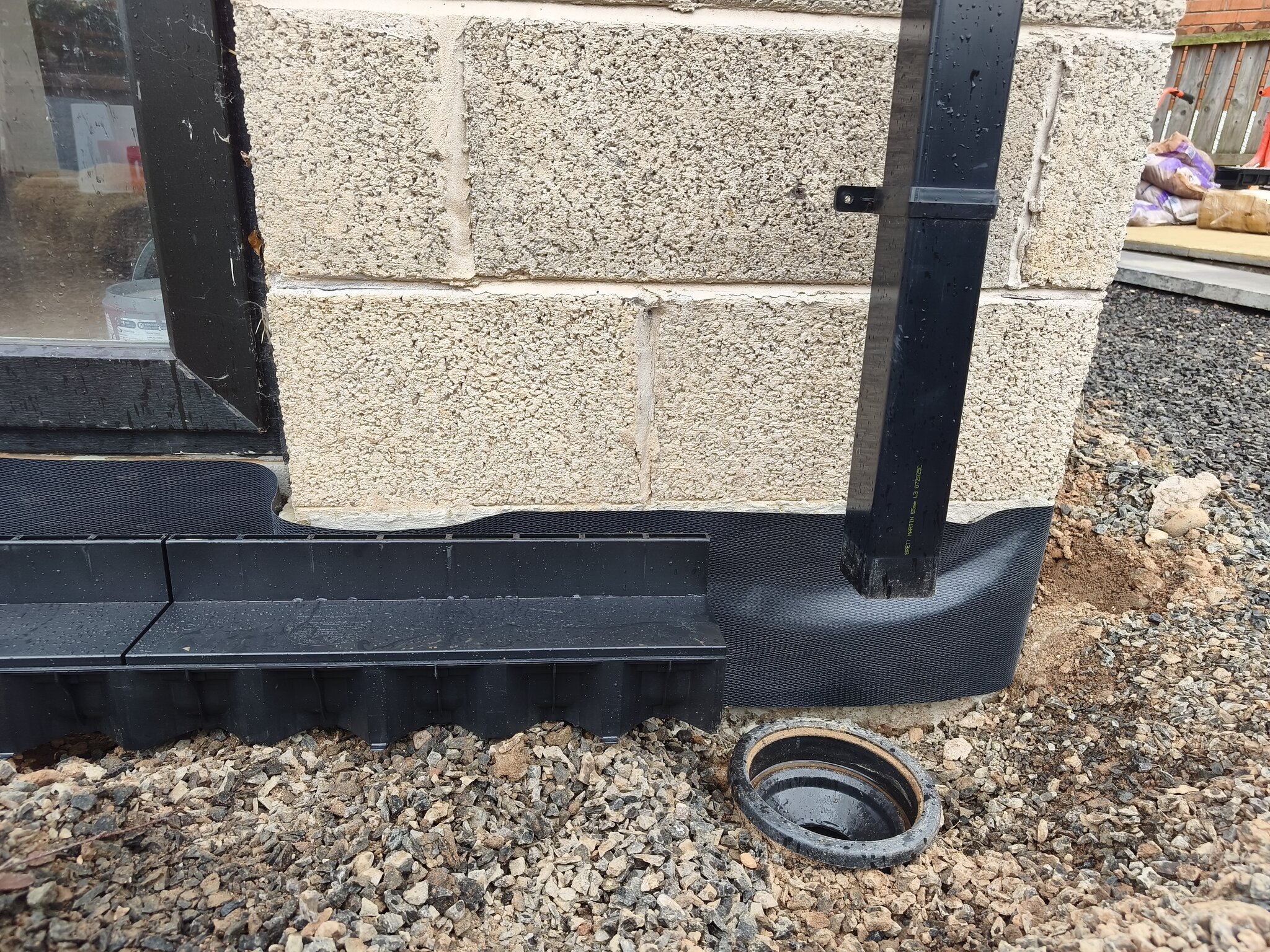
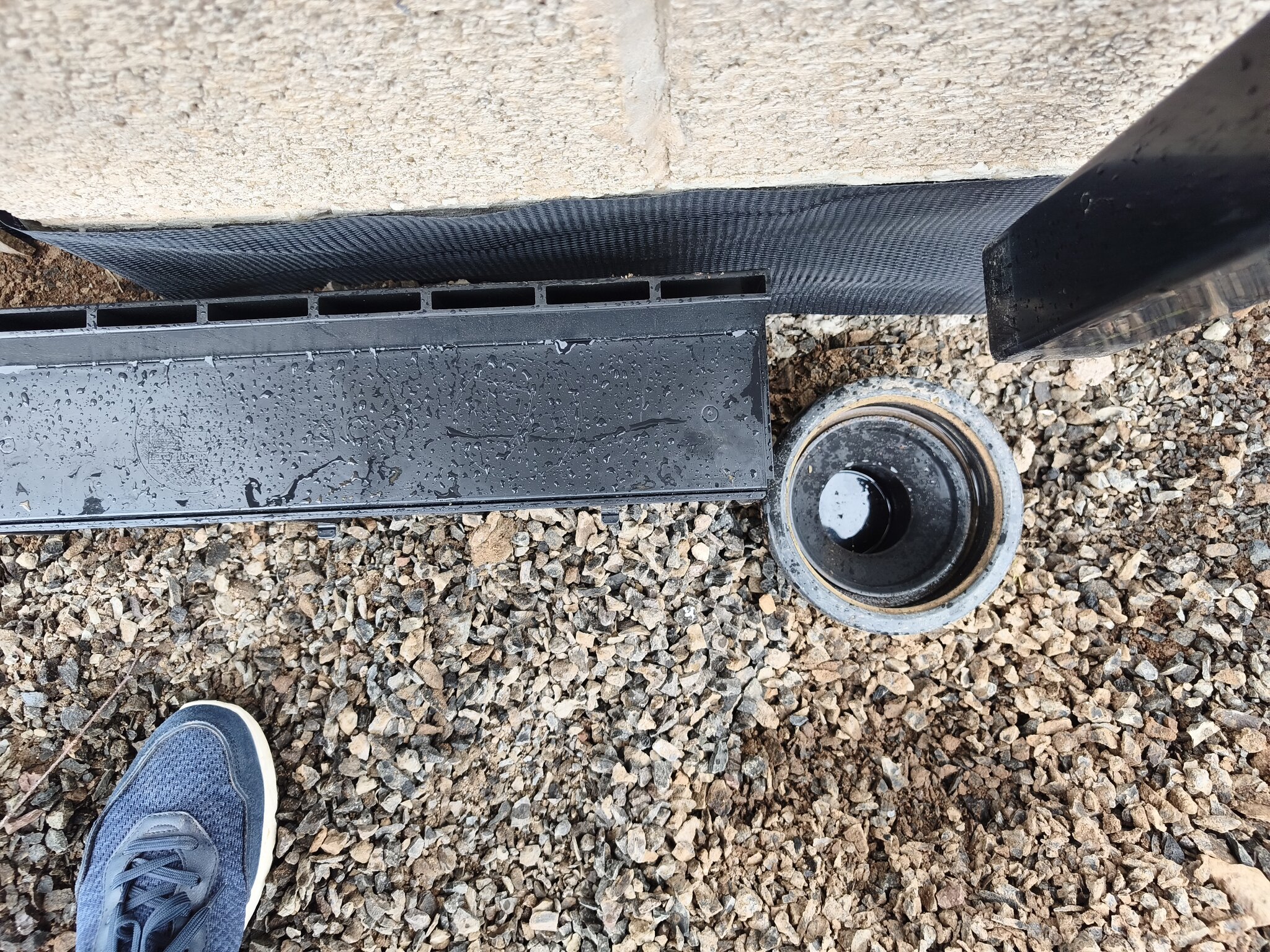
Looking advice on a DIY install of Aco slot drain to existing drainage. I am uncertain as to what type of hopper or gulley I need to connect to the Aco drain. Hopefully the pictures below show what is existing. The Aco upstand is roughly positioned where it will be when wall is rendered and patio paved. As you can see the existing drain is placed slightly in front of it. I am thinking some form of side inlet hopper, but I can't figure out which type, as inlet positions seem to be almost level with the grate. Any advice greatly appreciated.
17834.jpg
17836.jpg
 

Attachments

  • IMG_20260903_142146.jpg
    IMG_20260903_142146.jpg
    556.1 KB · Views: 2
  • IMG_20260903_142152.jpg
    IMG_20260903_142152.jpg
    635.6 KB · Views: 3
Last edited:
You sound like you think this is going to be simple, but it isn't. You can't connect into the gulley, unless by some miracle it has an extra inlet pipe option AND has been fitted sideways, which is very unlikely.

You need to dig, and find the pipe that the gulley connects into. Then you could tee the channel into that via a suitable trap, and probably need to add a new chamber for this new junction (if it's not just a soakaway).

If it is a soakaway then you'll need to check its capacity and whether it's suitable for the added flow - it probably isn't.

Not a simple answer as it's not a simple question!

...and why's there a DPC wrapped around the wall?
 
You sound like you think this is going to be simple, but it isn't. You can't connect into the gulley, unless by some miracle it has an extra inlet pipe option AND has been fitted sideways, which is very unlikely.

You need to dig, and find the pipe that the gulley connects into. Then you could tee the channel into that via a suitable trap, and probably by adding a new chamber (if it's not just a soakaway).

If it is a soakaway then you'll need to check its capacity and whether it's suitable for the added flow - it probably isn't.

Not a simple answer as it's not a simple question!

...and why's there a DPC wrapped around the wall?
Its a slim line aco, it just gets a dribble when compared to the roof drainpipe... and you connect from the end. As its rainwater unless its hitting the foul sewer no trap is required and I guess the DPC as that is where the final finish level is.
 
Hello,
Looking advice on a DIY install of Aco slot drain to existing drainage. I am uncertain as to what type of hopper or gulley I need to connect to the Aco drain. Hopefully the pictures below show what is existing. The Aco upstand is roughly positioned where it will be when wall is rendered and patio paved. As you can see the existing drain is placed slightly in front of it. I am thinking some form of side inlet hopper, but I can't figure out which type, as inlet positions seem to be almost level with the grate. Any advice greatly appreciated. View attachment 421497View attachment 421498
Swap the gully for a back inlet gully. You should be able to buy a dedicated outlet connector for those linear drains that will be spigoted for 110mm connection. Then it's a case of buying the correct bends and fittings to get from the proprietary Aco outlet into the the drain fitting.

All of it will be push fit so you can mock it all up first before comitting with concrete etc.
 
If you move the channel out from the wall in line with the drain and use a couple of dog legs in the down spout you could connect it as shown in the example that you can scroll down to here.
That is a really excellent idea. They make a version of that unit with a riser collar, for use with the slotdrain version that Nialle has bought. I recognise it as I have loads of the stuff myself. The riser lifts it to the same height as the top of the slot...


It's then a matter of whether there's enough drop to whatever pipe it connects into.

If it's a soakaway then you don't need a trap. For a combined sewage system you do. I'd also use one for any kind of rainwater pipe system, e.g. a neighbourhood system. You're likely to get the odd whiff from the odd dead thing in there or whatever.

That DPC doesn't belong there. It will trap water against the building more than keep it out.
 
Normally you would use a https://www.drainageshop.co.uk/bielbet-slot-drain/inline-outlet-to-110mm-pipe.html then connect it to a hopper plugged into the drain. with a length of flexible pipe.
eg View attachment 421500
Thank you for the suggestion. Unfortunately I don't have the depth. The upstand is 60mm height. The bottom of the channel is at 150mm. So I can't see a horizontal connection working. I have edited my original post with more photos and info if you can help further? Many thanks for the suggestion!!
 
If you move the channel out from the wall in line with the drain and use a couple of dog legs in the down spout you could connect it as shown in the example that you can scroll down to here.
Thank you. This is indeed a great idea, however I don't have the depth to connect the Aco outlet to the 160mm drain. I was thinking of using a Socket Invert Reducer 160mm - 110mm but I think this is too tall also. I will attempt that tomorrow. Any other thoughts greatly appreciated. Thank you!
 

Attachments

  • IMG_20260903_142146.jpg
    IMG_20260903_142146.jpg
    556.1 KB · Views: 9
  • IMG_20260903_142152.jpg
    IMG_20260903_142152.jpg
    635.6 KB · Views: 10
That is a really excellent idea. They make a version of that unit with a riser collar, for use with the slotdrain version that Nialle has bought. I recognise it as I have loads of the stuff myself. The riser lifts it to the same height as the top of the slot...


It's then a matter of whether there's enough drop to whatever pipe it connects into.

If it's a soakaway then you don't need a trap. For a combined sewage system you do. I'd also use one for any kind of rainwater pipe system, e.g. a neighbourhood system. You're likely to get the odd whiff from the odd dead thing in there or whatever.

That DPC doesn't belong there. It will trap water against the building more than keep it out.
Hello, Thank you for your suggestions. You are correct on the drop. I really have very little to play with. I have tanked the blockwork behind the DPC and I had thought that an additional layer of protection would not be a bad thing. However, you are right on the potential for the DPC to hold water. I may remove it. The drain is a neighbourhood drain? One drain serves both foul and rainwater as it is an old build. Thank you again! Any further thoughts appreciated!
 

Attachments

  • IMG_20260903_142146.jpg
    IMG_20260903_142146.jpg
    556.1 KB · Views: 3
  • IMG_20260903_142152.jpg
    IMG_20260903_142152.jpg
    635.6 KB · Views: 5
Swap the gully for a back inlet gully. You should be able to buy a dedicated outlet connector for those linear drains that will be spigoted for 110mm connection. Then it's a case of buying the correct bends and fittings to get from the proprietary Aco outlet into the the drain fitting.

All of it will be push fit so you can mock it all up first before comitting with concrete etc.
Hello and thank you. I thought of that however the bottom of the channel sits at 150mm and from my research I cannot find a back inlet gully that would connect? Would you know of one? Thanks again!
 
You're still expecting this to be a lot easier than it is!

You need to dig out and completely remove the existing gulley. Then the Aco unit replaces it completely. You need to slot the Aco unit into a Shallow Trap...


This will block the whiffs.

But you need to check you have rodding access to the pipe beyond the trap, as you'll be replacing a roddable gulley with one that isn't. So it may need an additional chamber if there isn't already one downstream before any junctions, or you could add a rodding eye somewhere.
 
Last edited:
Hello and thank you. I thought of that however the bottom of the channel sits at 150mm and from my research I cannot find a back inlet gully that would connect? Would you know of one? Thanks again!
You need to replace that existing gully with a back inlet gully, or check to see if there is a back inlet on the existing gully. A back inlet is low down and will afford you the room to build up your bends and accommodate the Aco spigot. A back inlet is on the other side of the trap so that is prevents drain odours.

It's what they were designed for. Get the shovel out.
 
Last edited:
You're still expecting this to be a lot easier than it is!

You need to dig out and completely remove the existing gulley. Then the Aco unit replaces it completely. You need to slot the Aco unit into a Shallow Trap...


This will block the whiffs.

But you need to check you have rodding access to the pipe beyond the trap, as you'll be replacing a roddable gulley with one that isn't. So it may need an additional chamber if there isn't already one downstream before any junctions, or you could add a rodding eye somewhere.
Thank you Ivor. Yes, I guess I was expecting it to be easier, or to find a short cut, thankfully wiser minds here to guide me! I really appreciate your advice. I completely overlooked the 'whiff' issue. So, if I remove the existing gulley (or can I cap it off?), place the low back trap under the Aco vertical outlet with the downpipe dog legged into the correct Aco square downpipe connector, then I can run the drainage pipe into the inspection chamber (combined drain), as seem in the attached photo. I believe the pipe could be rodded via the chamber if need be? Thanks in advance!
 

Attachments

  • IMG_20260904_183423.jpg
    IMG_20260904_183423.jpg
    1.4 MB · Views: 5

If you need to find a tradesperson to get your job done, please try our local search below, or if you are doing it yourself you can find suppliers local to you.

Select the supplier or trade you require, enter your location to begin your search.


Are you a trade or supplier? You can create your listing free at DIYnot Local

 
Back
Top