- Joined
- 6 Jul 2026
- Messages
- 1
- Reaction score
- 0
- Country

Hi all,
I’m hoping to get some opinions on whether this sounds more like water ingress or thermal/cold bridging.
I live in a Celtic Tiger-era apartment, built around 2002, and we have had ongoing damp issues in a back room. I have been going back and forth with the apartment management company about whether the problem is coming from outside, possibly from the balcony area above, or whether it is due to thermal bridging/cold bridging.
I should say upfront that I am not knowledgeable in this area, so I am trying to understand the issue properly before spending money on any major works.
A bit of background:
Years ago, the management company installed flashing on the balcony above this room because they believed there may have been a leak.
When I moved into the apartment, I raised the issue again. They sent someone out to investigate, and water was poured from the balcony above. At the time, they identified what they believed was an issue and supposedly fixed it.
However, the damp problem persisted.
The management company later sent out another person, who said that the previous water test had used too much water and too much pressure, and that the leak they identified was not actually the cause. He insisted that the problem was thermal bridging rather than water ingress.
I then hired a damp company myself. They were adamant that it was ingress. Their report was a bit lacking in detail, but they did identify:
I sent this report to the management company, but they are still saying that they have dealt with similar issues in other apartments and that adding insulation should solve it.
My concern is that I could spend several thousand euro insulating the room, only to be covering up the real issue if it is actually water ingress. I’m also worried that insulating over the problem could potentially make things worse by trapping moisture and creating a better environment for mould or hidden damage.
Does the presence of salt efflorescence, blistering plaster, rusting metal profiles/mesh, and high moisture readings point more strongly towards water ingress than thermal bridging?
Or could thermal bridging still explain those symptoms?
Any opinions or advice on what I should ask for next would be really appreciated.
doing more damage in that it will create a perfect environment for mould to grow.
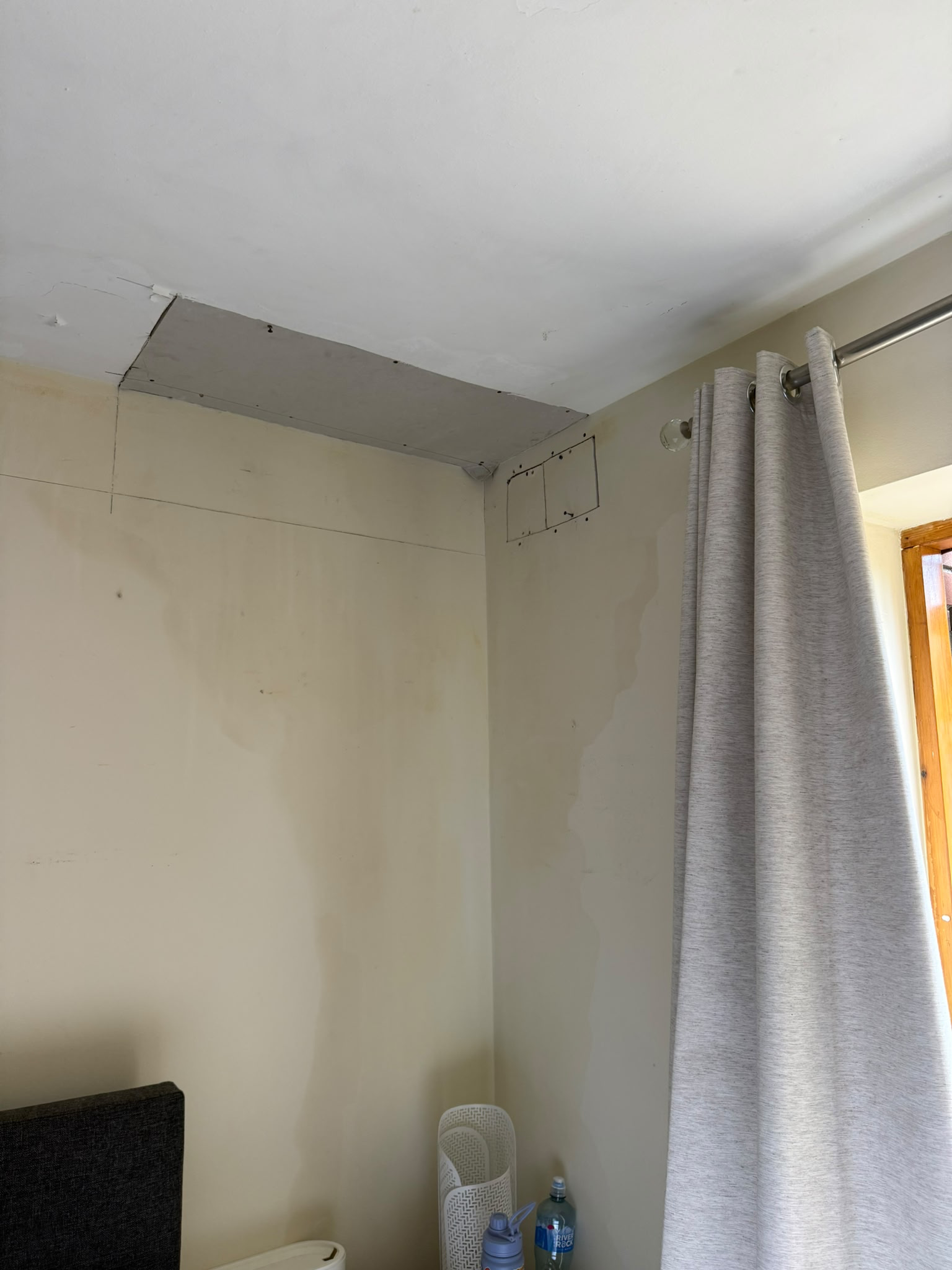
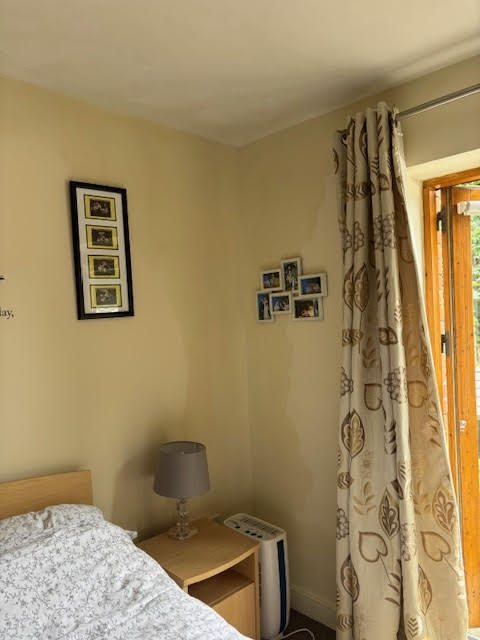
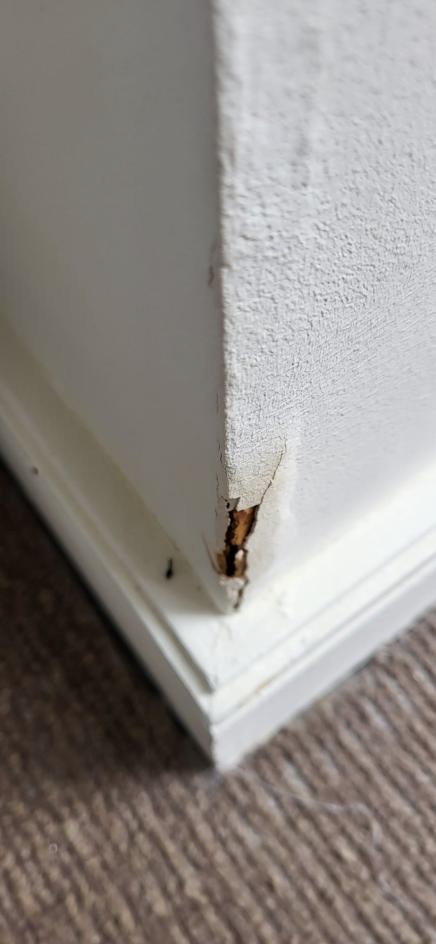
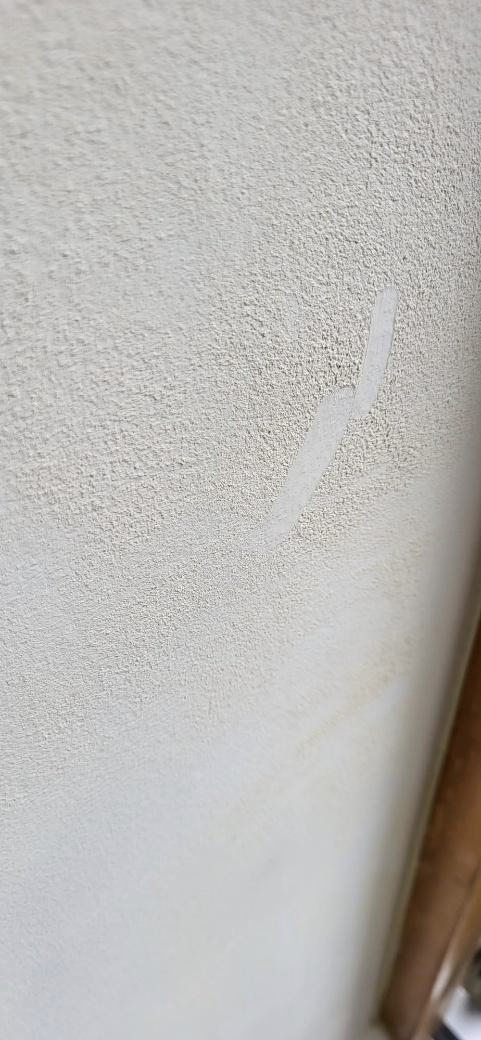
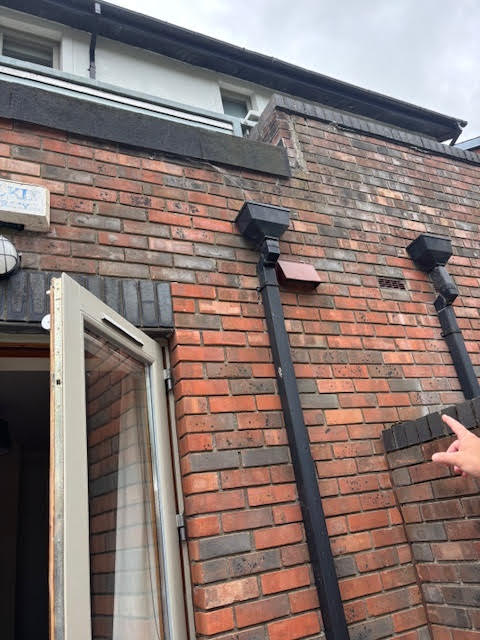
I’m hoping to get some opinions on whether this sounds more like water ingress or thermal/cold bridging.
I live in a Celtic Tiger-era apartment, built around 2002, and we have had ongoing damp issues in a back room. I have been going back and forth with the apartment management company about whether the problem is coming from outside, possibly from the balcony area above, or whether it is due to thermal bridging/cold bridging.
I should say upfront that I am not knowledgeable in this area, so I am trying to understand the issue properly before spending money on any major works.
A bit of background:
Years ago, the management company installed flashing on the balcony above this room because they believed there may have been a leak.
When I moved into the apartment, I raised the issue again. They sent someone out to investigate, and water was poured from the balcony above. At the time, they identified what they believed was an issue and supposedly fixed it.
However, the damp problem persisted.
The management company later sent out another person, who said that the previous water test had used too much water and too much pressure, and that the leak they identified was not actually the cause. He insisted that the problem was thermal bridging rather than water ingress.
I then hired a damp company myself. They were adamant that it was ingress. Their report was a bit lacking in detail, but they did identify:
- Salt efflorescence
- Blistering of the plasterwork
- Rusting of the profiles/mini mesh at floor level
- High moisture readings using an electronic moisture meter
I sent this report to the management company, but they are still saying that they have dealt with similar issues in other apartments and that adding insulation should solve it.
My concern is that I could spend several thousand euro insulating the room, only to be covering up the real issue if it is actually water ingress. I’m also worried that insulating over the problem could potentially make things worse by trapping moisture and creating a better environment for mould or hidden damage.
Does the presence of salt efflorescence, blistering plaster, rusting metal profiles/mesh, and high moisture readings point more strongly towards water ingress than thermal bridging?
Or could thermal bridging still explain those symptoms?
Any opinions or advice on what I should ask for next would be really appreciated.
doing more damage in that it will create a perfect environment for mould to grow.