
- Joined
- 27 Jan 2008
- Messages
- 28,076
- Reaction score
- 3,407
- Location
- Llanfair Caereinion, Nr Welshpool
- Country

I have been trying to sort some problems in my daughters house and I have found most of the sockets fed by a single cable.
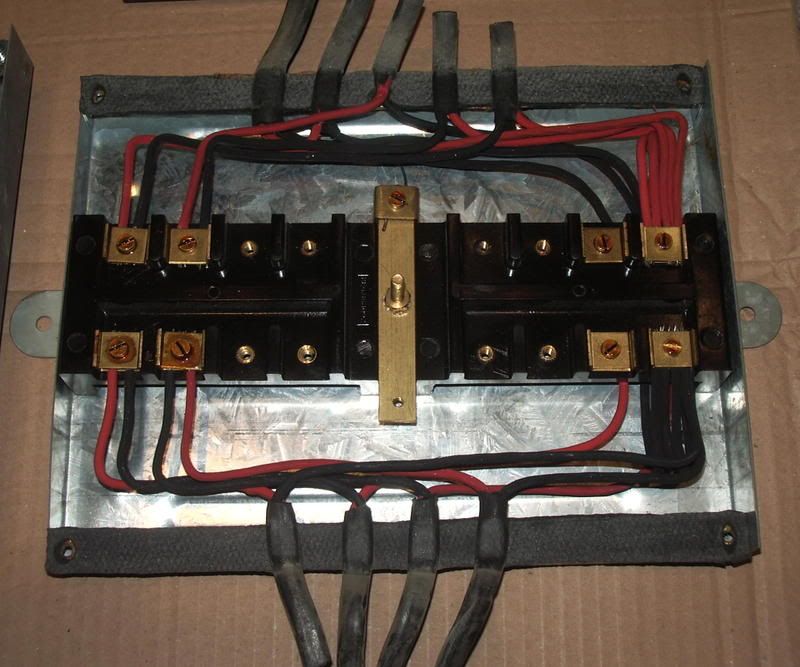
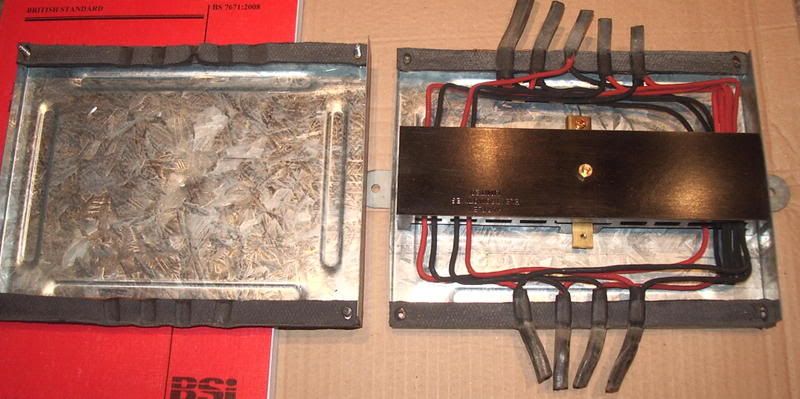
Tracing these cables as far as I can they all seem to return to the CU as if the house has been built with a host of radials but looking in the CU there are just three cables connected to a 32A fuse.
This has me scratching my head as I wonder how and where all the radials are connected together.
With spurs one has a distance limit of 3 meters and technically as feed from 32A fuse I suppose these should be called spurs and some mods to the system are required but other than knocking off the plaster in area of CU and removing the wood panelling it is impossible to see how these cables have been terminated so until they are ready for major re-decorating I can't investigate further.
House has standard 4 way Wylex box with wood back so quite old house around 1960's wiring seems A1 except for odd layout.
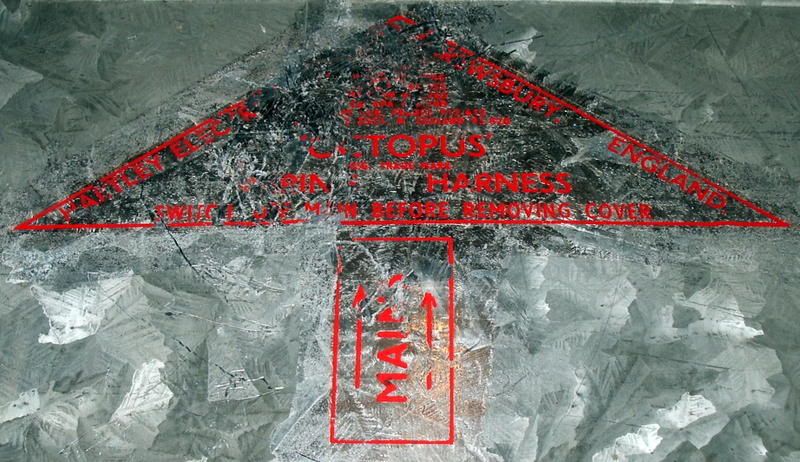
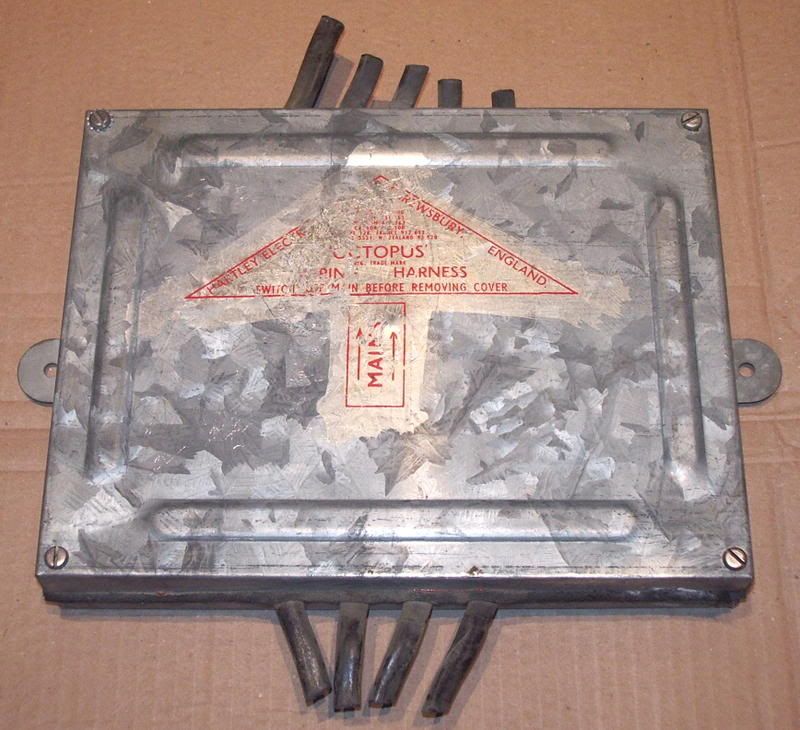
Has anyone seen this layout before? Any ideas as to how so many 2.5mm T&E are reduced to three cables were there any junction boxes sold to connect radials this way.
The wiring does seem original not later add on but not seen this before. I have changed 32A fuse wire to 20A for now but at some point I need to do something any ideas of how houses were wired in the 60's
I have wondered if the consumer unit has been moved and if there is some hidden JB in it's old location?
Tracing these cables as far as I can they all seem to return to the CU as if the house has been built with a host of radials but looking in the CU there are just three cables connected to a 32A fuse.
This has me scratching my head as I wonder how and where all the radials are connected together.
With spurs one has a distance limit of 3 meters and technically as feed from 32A fuse I suppose these should be called spurs and some mods to the system are required but other than knocking off the plaster in area of CU and removing the wood panelling it is impossible to see how these cables have been terminated so until they are ready for major re-decorating I can't investigate further.
House has standard 4 way Wylex box with wood back so quite old house around 1960's wiring seems A1 except for odd layout.
Has anyone seen this layout before? Any ideas as to how so many 2.5mm T&E are reduced to three cables were there any junction boxes sold to connect radials this way.
The wiring does seem original not later add on but not seen this before. I have changed 32A fuse wire to 20A for now but at some point I need to do something any ideas of how houses were wired in the 60's
I have wondered if the consumer unit has been moved and if there is some hidden JB in it's old location?