
Cut the joints with a hand saw then
Why do you hate saws?
Wouldn't an angle grinder be easier?

Cut the joints with a hand saw then
You could cut a V out of the brick and resin bond it as shown. It's how squint bricks are often made nowadays.Hi N,
I will seal the angle with silicon liquid. Not professional, but that's the plan!
C
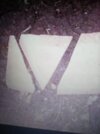
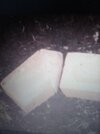

Theres an airbrick in the picture.OP,
I dont see any air bricks - is the inside floor solid? Any signs of damp inside?
Path of least resistance... why not face them with sand/cement and then use a mix of PVA and Sika mortar coloured powder.
A mate of mine is an amazing brick pointer, if the brick doesn't warrant removing, he faces it.
The following photos are a job where he removed the existing render- see the house next door, is was rendered at the same time in the past- He got me to cut a straight line through the neighbouring render. I then painted the exterior masonry.
The most of the red rubbers (red bricks) needed to be replaced. The photo should give you an indication of how many bricks were removed in the initial phase without compromising the integrity of the wall.
Many of the arch bricks were faced with sand and cement to keep the cost down.
View attachment 421134
View attachment 421135
Path of least resistance... why not face them with sand/cement and then use a mix of PVA and Sika mortar coloured powder.
A mate of mine is an amazing brick pointer, if the brick doesn't warrant removing, he faces it.
The following photos are a job where he removed the existing render- see the house next door, is was rendered at the same time in the past- He got me to cut a straight line through the neighbouring render. I then painted the exterior masonry.
The most of the red rubbers (red bricks) needed to be replaced. The photo should give you an indication of how many bricks were removed in the initial phase without compromising the integrity of the wall.
Many of the arch bricks were faced with sand and cement to keep the cost down.
View attachment 421134
Hi O,

Not necessarily.That's the cause of the spalled bricks then.

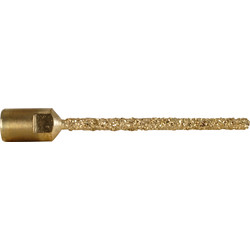
Why do you guys make things difficult?
There's a dedicated tool for this:

If you need to find a tradesperson to get your job done, please try our local search below, or if you are doing it yourself you can find suppliers local to you.
Select the supplier or trade you require, enter your location to begin your search.
Are you a trade or supplier? You can create your listing free at DIYnot Local

