
You are using an out of date browser. It may not display this or other websites correctly.
You should upgrade or use an alternative browser.
You should upgrade or use an alternative browser.
Shortage at my Sainsbury's!
- Thread starter Mottie
- Start date
- Status
- Not open for further replies.

Never seen the point of spreadable, as it's butter diluted with oil.
Anyway, you should have a slice of butter, not a scraping
To be able to use and spread butter, it would need to be kept out of the fridge. I don't consume enough to make it worth while keeping it out of the fridge, instead I find the spreadable more sensible. The Danpack is not immediately spreadable from the fridge, but I find putting a little on the bread or what ever, then give it a minute, it will then spread.

Organic butter is just butter that has been made from milk that has come from cows fed on organic grass.
No it isn't.
"The difference between organic butter and non-organic butter is just that organic cream is used rather than standard cream. The energy and fat content is no different — it just means that it has been produced from cream has been sourced from a cow which has been raised and fed on organic pastures".
Source: https://www.healthyfood.com/ask-the-experts/organic-butter/
Take it up with healthy food.com. I’m not an expert like you but I tend to believe an article from a website about healthy food rather than an anonymous nomad on a DIY Internet forum. Perhaps you could ask them to double check their information or maybe you could offer to re-write the article for them? I’m sure they’d be thrilled to have you on their team and would be very grateful for your expert input.
Last edited:
You could of course get a butter dish and slice off from the block whatever amount you need and keep the rest in the fridgeTo be able to use and spread butter, it would need to be kept out of the fridge. I don't consume enough to make it worth while keeping it out of the fridge, instead I find the spreadable more sensible.


[/QUOTE]
Look harder.

 www.gov.uk
www.gov.uk
 www.soilassociation.org
"a website"
Look harder.
Organic food: labelling and advertising rules
Rules on certifying and labelling organic food, feed and seed.
Organic products: approved UK control bodies
Details of control bodies approved to certify organic food, feed, seed and other agricultural products in the UK.
Organic milk and dairy: what makes them different
Organic milk comes from grass-fed, free-range cows and is produced without routine antibiotics, GM feed or unnecessary additives. Learn how organic dairy d
Organic butter is just butter that has been made from milk that has come from cows fed on organic grass.
Look harder.
Organic food: labelling and advertising rules
Rules on certifying and labelling organic food, feed and seed.
Organic products: approved UK control bodies
Details of control bodies approved to certify organic food, feed, seed and other agricultural products in the UK.
Organic milk and dairy: what makes them different
Organic milk comes from grass-fed, free-range cows and is produced without routine antibiotics, GM feed or unnecessary additives. Learn how organic dairy d
NFI. Unlike you. You best get on to them, you’re obviously troubled by it. Good luck, let us know how you get on.

- Joined
- 11 Jan 2004
- Messages
- 47,113
- Reaction score
- 4,106
- Country

Lurpak, Nordpak and Danpak all have 64% butter content.
The cheaper varieties (and some expensive ones too!) have water in. Avoid the water, it's very cheap for the manufacturers to use water, it tastes awful and doesn't fry well.
Just check the ingredients list.
The cheaper varieties (and some expensive ones too!) have water in. Avoid the water, it's very cheap for the manufacturers to use water, it tastes awful and doesn't fry well.
Just check the ingredients list.
So is Sainsburys own a good one?Lurpak, Nordpak and Danpak all have 64% butter content.
The cheaper varieties (and some expensive ones too!) have water in. Avoid the water, it's very cheap for the manufacturers to use water, it tastes awful and doesn't fry well.
Just check the ingredients list.
- Joined
- 11 Jan 2004
- Messages
- 47,113
- Reaction score
- 4,106
- Country
Sorry, I was talking about spreadables, not pure butter.
Most pure butters are similar, unless they are organic or TTD types.
Most pure butters are similar, unless they are organic or TTD types.

- Joined
- 22 Aug 2006
- Messages
- 7,854
- Reaction score
- 1,486
- Country
Blimmin eck.
Cows get mastitis etc... Chickens get give A-flock-xycillin or something routinely. All farm animals get sick and are given antibiotics. ABs get into meat, eggs, milk, leather handbags....
Do you want to have/ give your kids a continuous stream of ABs, which can interfere with gut biome, promote development of AB resistant bacteria yadayadayada? Organic is supposed to mean no/low AB allowances.
Farmers break the rules and use ABs too much, break the rules, argue about the rules if they've given ABs to their "organic-milk-producing" cows etc etc. Rules are stricter/better in the US on that.
Maybe you could get more Brexit waffle out of it.
Cows get mastitis etc... Chickens get give A-flock-xycillin or something routinely. All farm animals get sick and are given antibiotics. ABs get into meat, eggs, milk, leather handbags....
Do you want to have/ give your kids a continuous stream of ABs, which can interfere with gut biome, promote development of AB resistant bacteria yadayadayada? Organic is supposed to mean no/low AB allowances.
Farmers break the rules and use ABs too much, break the rules, argue about the rules if they've given ABs to their "organic-milk-producing" cows etc etc. Rules are stricter/better in the US on that.
Maybe you could get more Brexit waffle out of it.
Cows get mastitis etc... Chickens get give A-flock-xycillin or something routinely. All farm animals get sick and are given antibiotics. ABs get into meat, eggs, milk, leather handbags...
Cows that produce organic milk that get ill and need antibiotics are taken out of production until the antibiotics have left their system. Same with all organic animals that are going into the food chain. It's not rocket science.
I accept that this is a US based origin:Cows that produce organic milk that get ill and need antibiotics are taken out of production until the antibiotics have left their system. Same with all organic animals that are going into the food chain. It's not rocket science.
Under the Certified Organic guidelines, if an animal requires antibiotics due to illness, that animal should receive treatment and will be permanently removed from the organic, no-antibiotics herd.
Farmers and veterinarians watch sick animals closely to see if they will get better on their own, or with non-antibiotic treatments, before giving antibiotics. On a traditional farm, an animal treated with antibiotics needs to wait through the withdrawal period, usually in the sick pen, but then goes back to the herd once she is feeling better and the antibiotics have left their bodies. On an organic farm, once that animal receives antibiotics, she is no longer considered an organic animal. Rather than rejoining her organic herd, she will join a traditional herd of cows that may have received antibiotics during their lives.

What Happens When Farm Animals Raised to be "No Antibiotics Ever" Get Sick? - My Fearless Kitchen
Do you look for USDA Certified Organic or "raised without antibiotics" labels at the grocery store? Do you know what happens if an organic animal gets sick?
 www.myfearlesskitchen.com
Same in the UK.I accept that this is a US based origin:
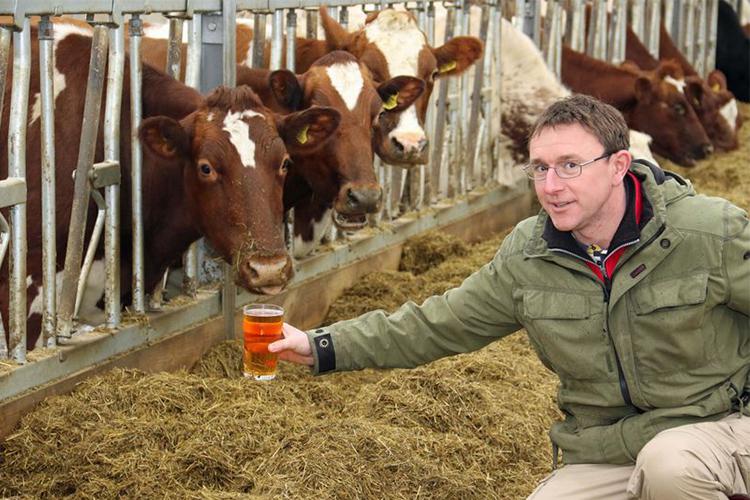
Organic farming and the use of antibiotics
The problem of antibiotic resistance is real and there’s no shying away from the fact that healthier farm animals is the answer. We meet some organic farmers who are leading the way…
goorganicuk.com
…and Notch is still sweating over the small stuff. Well, small stuff to others but ****ing MASSIVE stuff to him by the looks of it. Chill. Relax. Chillax. There’s much bigger things in life to worry about. Have a nice day. 
- Status
- Not open for further replies.


