Shut one eye?

But this bit is part of the problem.


Vehicles with high intensity discharge (HID) or LED dipped beam headlamps may be fitted with a suspension or headlamp self-levelling system. If these systems have been fitted, they must work.

Sometimes it is not easy to determine if the self-levelling systems work. In such cases you should give the benefit of the doubt.
 
Last winter I was working on the other side of Truro so was travelling mainly in the dark with no street lighting. I'd read about an issue with bright lights but hadn't experienced it until then, possibly put it down to old folk moaning. Certainly noticed that if for example a run of 8 cars were coming toward me usually at least 2 were excruciatingly bright.
 
The smaller the light source the more of an issue it is. Of course if its not shining into your eyes its less of a problem. Seems to be a waste of money researching it when the problems are either illegal retrofits or solved with adaptive matrix lights which seem to be standard on many new cars.
 
The smaller the light source the more of an issue it is. Of course if its not shining into your eyes its less of a problem. Seems to be a waste of money researching it when the problems are either illegal retrofits or solved with adaptive matrix lights which seem to be standard on many new cars.
I have seen plenty of new cars with a problem - not retro fitted.
Not long ago there was a car advert that was almost boasting about how bright there LED lights were - it featured a fox squinting in the light
 
From your link....

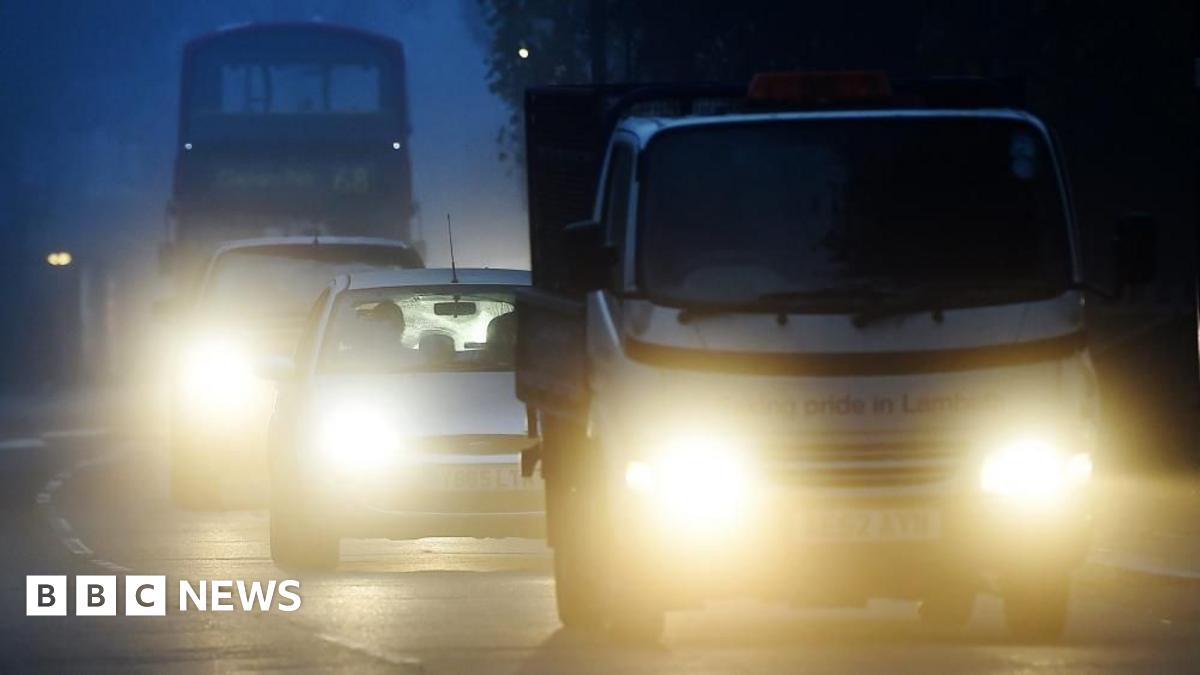
One already well-understood source of glare is drivers retrofitting their vehicles, replacing old halogen bulbs with LEDs.
The housing for halogen bulbs is not compatible with LED bulbs, and a retrofitted car will not pass its annual MOT check-up.
As part of the government's new approach the Driver and Vehicle Standards Agency has "stepped up surveillance" to stop the sale of illegal retrofit headlamp bulbs, the DfT said.

Seeing better​

Cars sold with LED lights can improve road safety by helping drivers to see better, Thomas Broberg, senior adviser for safety at Volvo told the BBC.
However, avoiding dazzle was "equally important", he said.
"I would say poor aiming of the headlights and also the road shape are the major factors for glare," he said.
For larger vehicles, such as SUVs, where lights are higher off the ground, the beam must point more sharply downwards, to protect oncoming drivers. But the angle can be affected by how many passengers it is carrying.
Some new cars with "adaptive features" adjust the lamps automatically if there is a change in load, but cars without that will need manual adjusting, Mr Broberg said.
 
Incorrect.

Bright lights set correctly don't blind.
Also from the link
The beam from LED headlights is whiter, more focused and brighter than the more diffuse light from halogen lamps fitted in older cars.
 
I have seen plenty of new cars with a problem - not retro fitted.
Not long abo there was a car advert that was almost boasting about how bright there LED lights were - it featured a fox squinting in the light
I take your knowledge and bow to it. (I don't actually//)

But I repeat, it's not the brightness, it's where the light goes that's the issue
 
Cars sold with LED lights can improve road safety by helping drivers to see better, Thomas Broberg, senior adviser for safety at Volvo told the BBC.
That's what full beam is for
No one needs stupidly bright lights for driving in the City or any normal street with street lights.
 
The problem is that when a car is sold, it's not designed differently for town or country use
 
The problem is that when a car is sold, it's not designed differently for town or country use
Yes it is -- it is fitted with a switch that you can trun on and it magically changes your city lights to country lights -- its called full beam
 
I do also wonder how many of the complaints are from people whose eyesight is not up to par in the first place, and also those who have had laser eye surgery (IIRC, some who have had the surgery report halos or glare afterwards, when they're driving at night).
 
I do also wonder how many of the complaints are from people whose eyesight is not up to par in the first place, and also those who have had laser eye surgery (IIRC, some who have had the surgery report halos or glare afterwards, when they're driving at night).
Apparently the older you get the harder it is for your eyes to cope.
 
Back
Top