- Joined
- 11 Feb 2026
- Messages
- 2
- Reaction score
- 0
- Country

Hi, looking for some advice please.
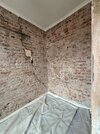
We’ve removed blown plaster on an internal party wall in our early 1900s UK terraced house and uncovered a stepped/vertical crack running from near ceiling height down towards the floor. It follows mortar joints in places and appears to go through the brickwork rather than just the plaster. There was an older patch repair mid-way. It’s the wall shared with next door.
We’ve notified insurance but inspection isn’t likely until March. We have a baby due in April and were hoping to get the room plastered in the next few weeks, but I’m now worried we’ve opened a can of worms.
From experience, does this sound more like historic settlement/party wall movement, or something more consistent with active subsidence? Would this usually just be monitored, or is it unwise to plaster before it’s assessed?
Thanks in advance.
We’ve removed blown plaster on an internal party wall in our early 1900s UK terraced house and uncovered a stepped/vertical crack running from near ceiling height down towards the floor. It follows mortar joints in places and appears to go through the brickwork rather than just the plaster. There was an older patch repair mid-way. It’s the wall shared with next door.
We’ve notified insurance but inspection isn’t likely until March. We have a baby due in April and were hoping to get the room plastered in the next few weeks, but I’m now worried we’ve opened a can of worms.
From experience, does this sound more like historic settlement/party wall movement, or something more consistent with active subsidence? Would this usually just be monitored, or is it unwise to plaster before it’s assessed?
Thanks in advance.