
- Joined
- 29 Dec 2025
- Messages
- 771
- Reaction score
- 41
- Country

Prior to the campaigns to abolish slavery British people were somewhat unaware of the existence of slaves or the conditions in which they were transported and worked.If people thought that it was abuse then there would have been no slavery. It was a status. symbol to have black slaves and people envied those that had them.
During the many years of campaigning, many British people put their economic interest above their concern for other people.
Liberty was the fundamental concept in eighteenth-century British political thought, and slavery was its ever-present nemesis...
The opening of the Two Treatises famously proclaimed that slavery was such a ‘vile and miserable estate’ that no Englishman would defend it. Locke demonstrates particularly forcefully the silences, evasions and contradictions that recur in Anglophone political thought the institution of slavery.
British Liberty and the Slave Trade
 www.history.ox.ac.uk
The lives of most Britons during the 18th and early 19th centuries were touched in some way by the transatlantic slave trade, though few would have known its true horrors.
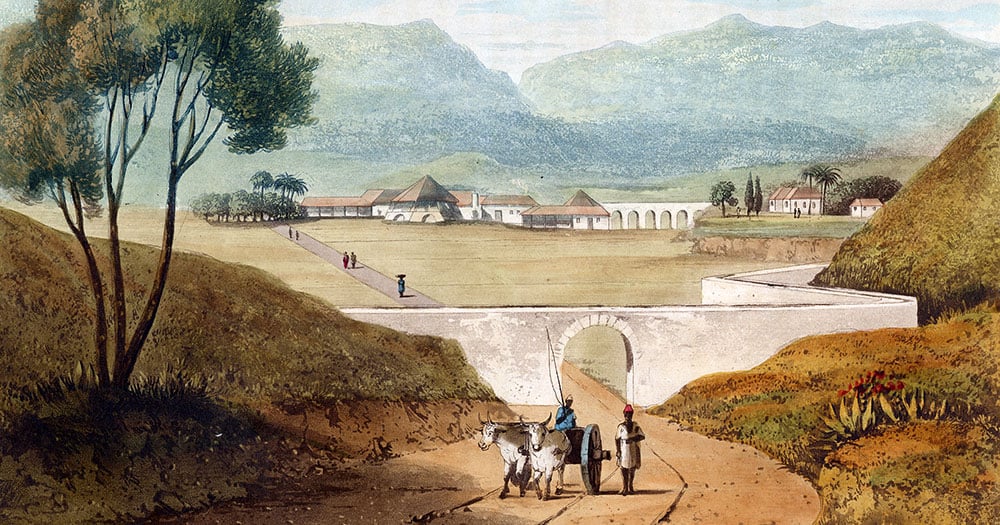
Traces of the Transatlantic Slave Economy in the National Heritage Collection
From plantation owners to pro- and anti-abolitionists, from investors in trading companies to colonial administrators, examples can be found across the National Heritage Collection that show the extent of transatlantic slavery’s presence in British society.
www.english-heritage.org.uk
Like abuse of children in various religious institutions designed to care for children?The slave trade was inhuman by todays standards but at the time it was going on then it was considered normal.
Or shipping them off to Australia, to be abused there?
Last edited:


