
Indentured White Servants Were Treated Worse than Black Slaves in the West Indies

Yes he had it abolished
Wilberforce was a leading campaigner in Britain to Parliament stopping slaves being bought or sold in British colonies. The buying and selling of slaves continued in other parts of the world, especially in America.
Slaves that were alreadly enslaved continued as slaves until their death.
Their children were born into slavery and continued in salvery until their death.

How do you think that equates to it being abolished by Wilberforce?
 
If people thought that it was abuse then there would have been no slavery. It was a status. symbol to have black slaves and people envied those that had them.
Prior to the campaigns to abolish slavery British people were somewhat unaware of the existence of slaves or the conditions in which they were transported and worked.
During the many years of campaigning, many British people put their economic interest above their concern for other people.
Liberty was the fundamental concept in eighteenth-century British political thought, and slavery was its ever-present nemesis...
The opening of the Two Treatises famously proclaimed that slavery was such a ‘vile and miserable estate’ that no Englishman would defend it. Locke demonstrates particularly forcefully the silences, evasions and contradictions that recur in Anglophone political thought the institution of slavery.

The lives of most Britons during the 18th and early 19th centuries were touched in some way by the transatlantic slave trade, though few would have known its true horrors.
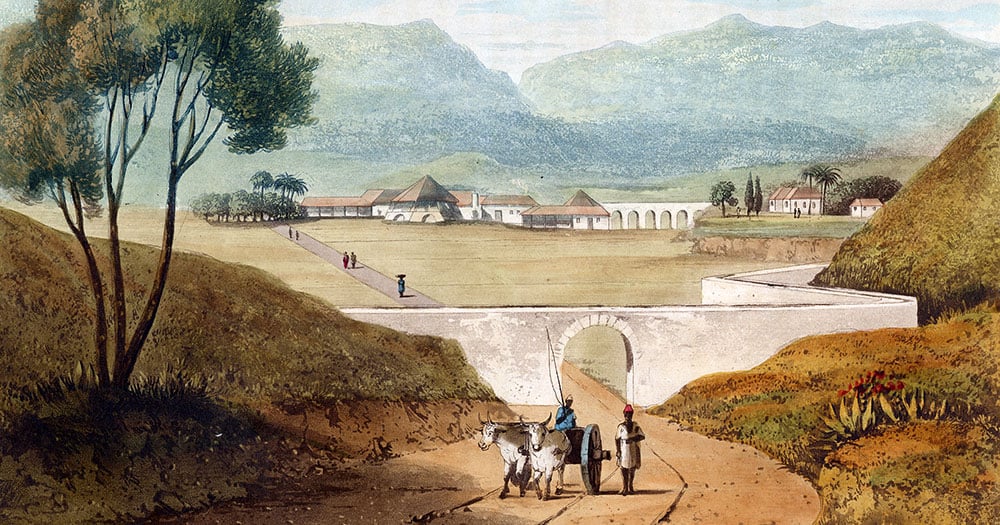
The slave trade was inhuman by todays standards but at the time it was going on then it was considered normal.
Like abuse of children in various religious institutions designed to care for children?
Or shipping them off to Australia, to be abused there?
 
Last edited:
Seventeenth-century reports of the suffering of European indentured servants and the fact that many were transported to Barbados against their wishes has led to a growing body of transatlantic popular literature, particularly dealing with the Irish. This literature claims the existence of “white slavery” in Barbados and, essentially, argues that the harsh labor conditions and sufferings of indentured servants were as bad as or even worse than that of enslaved Africans.

This article provides a detailed examination of the sociolegal distinctions between servitude and slavery, and argues that it is misleading, if not erroneous, to apply the term “slave” to Irish and other indentured servants in early Barbados. While not denying the hardships suffered by indentured servants, referring to white servants as slaves deflects the experiences of millions of persons of African birth or descent.
 
sociolegal distinctions between servitude and slavery, and argues that it is misleading, if not erroneous, to apply the term “slave” to
Just somebody's opinion after the fact; it doesn't change what actually happened.
 
He wasn't trying to minimise anything. He was comparing the outcomes of two systems of labour.

You have attacked his credibility because he has drawn attention to ideas or perspectives that you don't like. You haven't provided any argument of your own to explain why you think he is wrong, and you certainly haven't critiqued him. Nor have you provided a contrary perspective from what you consider to be a more valid, qualified / peer reviewed historian. You have merely attacked the man in a lazy attempt to dismiss what he was drawing attention to.

Your posts stink of woke, anti-white rhetoric and you come across as being a benefits claiming fantasist.

I have been doing a bit more research.

What I found most interesting is that only a relatively small number of slaves were sent to the USA. Conditions there weren't as harsh and the slave population became self sustaining.

By contrast, the conditions in the Caribbean were utterly brutal. One sixth of slaves died on the journey and another third died within the first three years. That is the reason that so many millions were needed. Out of 2.3 million slaves who were transported to the British West Indies, only 700,000 remained when slavery was banned. I believe your historian's claims that they were well looked after can be taken with a pinch of salt.
 
'The African Holocaust': a systemic trade in humanity that became big business. Should we apologise for this 19th century abuse of human rights? Yes - and no. The sins of our fathers do not become inherited.

By the mid-1670s, when Barbados had reached the zenith of its sugar-based prosperity, its enslaved population of African birth or descent was approximately 33,000, and with about 21,500 Whites, indentured and free...

Indentured: bound to the land by contract, little more than a medieval serf, with some rights but not much better off than a slave. To argue a white man was worse off than a African is rewritten history; something the apologists for their Nationalism are becoming good at. It is nothing more than subversive racism, disguised behind a national flag of their choice, a convenient cloak that only becomes transparent when facts are used to light up this perfidious practice.

Usually they contracted their labor for five to seven years, sometimes less, sometimes more, in exchange for the Atlantic passage and food, clothing, and shelter during their indenture period...At the end of the period servants expected to receive a small piece of land, or a sum of money or, by the 1640s, its equivalent value in sugar provided, a contemporary observed, “if his master bee soe honest as to pay it.”

An African slave could not look forward to this small benefit, even if he survived the cruel conditions of labour on the plantation. Records from the time indicate that enslaved individuals had a life expectancy at birth of about 20–21 years; while in some cases, newly arrived enslaved people had a life expectancy of only 2–3 years. The average life expectancy of a slave on a Caribbean sugar plantation was less than seven years.

So the chances of an African slave in those conditions meant he had little chance to even make it through the seven years required for an indentured white man to receive his small piece of land. Usually, he only inherited a plot six feet deep.
 
I have been doing a bit more research.

What I found most interesting is that only a relatively small number of slaves were sent to the USA. Conditions there weren't as harsh and the slave population became self sustaining.

By contrast, the conditions in the Caribbean were utterly brutal. One sixth of slaves died on the journey and another third died within the first three years. That is the reason that so many millions were needed. Out of 2.3 million slaves who were transported to the British West Indies, only 700,000 remained when slavery was banned. I believe your historian's claims that they were well looked after can be taken with a pinch of salt.
No offence, but if it is acceptable for you to rubbish the work of a published historian because you don't like his opinions, why should anybody take what you have to say at face value, when you haven't even bothered to provide a source?

Some questions that spring immediately to mind:

How long would those slaves you mention have lived for as slaves under Arab or African ownership, as they had been prior to being sold by their owners in exchange for goods made by English child labourers?

How does the longevity of the slaves you mention compare to the worldwide population at that time? Even in rich countries, it was normal for a typical young person to die from what we now consider mild infections. British society was brutal at that time for the lower orders in particular. Disease, cold, hunger. How does it compare to sailors of that time, including those serving in the navy - their ife expectancies were shockingly poor compared to what we would expect today.

What numbers of slaves were taken to the West Indies and then moved elsewhere?

I could ask many more questions. Your post is completely lacking any context. It's just throwing big numbers about and only reinforces the impression we have of your strange biases.

Besides which, Webb isn't obliged to make a video that comprehensively covers all places and peoples, just because somebody like you might then make insinuations. His videos are typically no more than 8 minutes long. Why should the fortunes of, say, black slaves in the US not be compared to the indentured white labour there? Perfectly legitimate topic of conversation, particularly as the main reason slavery is such an ever present topic in our society is precisely because it existed in the US - which dominates our own cultural landscape.
 
'The African Holocaust': a systemic trade in humanity that became big business. Should we apologise

The problem with people like you is that is all a narcissistic enterprise. It's me me me, and we we we. What you think, 200 odd years later, is neither here nor there. All the people from that time are dead and long since decomposed. They don't care what some fat pot head in the year 2026 says. It doesn't change anything.

The fact that you focus on the white man is also curious. Slave trading, by Arabs and Africans, had occurred for centuries before the Europeans got involved in it. And it was far more barbaric. Why do we never have programmes on the BBC about this? Or the fact that slavery continues in those places right now?

There was recently a "British" judge who was prosecuted for keeping a slave and she didn't even realise she was doing anything wrong.

It is yet another topic that is hijacked and co-opted for political reasons, particularly by the Left, who have nothing to offer that humanity actually needs or wants.
 
How long would those slaves you mention have lived for as slaves under Arab or African ownership, as they had been prior to being sold by their owners in exchange for goods made by English child labourers?
Irrelevant nonsense:
This trans-Saharan/Arab slave trade occurred largely separately from the later transatlantic trade, where approximately 12.5 million Africans were shipped to the Americas between 1525 and 1866
The Atlantic trade was dominated by European, Brazilian, and American merchants, not Arab traders.
While Arab traders bought, sold, and owned millions of African slaves over centuries, these individuals were primarily destined for the Middle East, North Africa, and the Indian Ocean region, not the US or Caribbean


How does the longevity of the slaves you mention compare to the worldwide population at that time? Even in rich countries, it was normal for a typical young person to die from what we now consider mild infections. British society was brutal at that time for the lower orders in particular. Disease, cold, hunger. How does it compare to sailors of that time, including those serving in the navy - their ife expectancies were shockingly poor compared to what we would expect today.
Are you suggesting it's OK to treat them cruelly because their lives were short?

What numbers of slaves were taken to the West Indies and then moved elsewhere?
It's well documented. Most slaves were transported to the West Indies where conditions were harsh and slave lives were short, needing a constant repelenishment of slave labour.

Why should the fortunes of, say, black slaves in the US not be compared to the indentured white labour there?
Because there's no comparison. It's like comparing apples to oranges.

Perfectly legitimate topic of conversation, particularly as the main reason slavery is such an ever present topic in our society is precisely because it existed in the US - which dominates our own cultural landscape.
British ownership of slaves was predominately in the West Indies.
It contributed about 80% of the wealth in Britain at that time. It financed the colonisation of the British Empire.
That's why it's dicussed in Britain.
 
The problem with people like you is that is all a narcissistic enterprise. It's me me me, and we we we. What you think, 200 odd years later, is neither here nor there. All the people from that time are dead and long since decomposed. They don't care what some fat pot head in the year 2026 says. It doesn't change anything.

The fact that you focus on the white man is also curious.

It's literally in the title of the thread.:rolleyes:

Slave trading, by Arabs and Africans, had occurred for centuries before the Europeans got involved in it. And it was far more barbaric. Why do we never have programmes on the BBC about this? Or the fact that slavery continues in those places right now?

There was recently a "British" judge who was prosecuted for keeping a slave and she didn't even realise she was doing anything wrong.

It is yet another topic that is hijacked and co-opted for political reasons, particularly by the Left, who have nothing to offer that humanity actually needs or wants.
Don't mention the Vikings or we'll never hear the end of it.
 
The problem with people like you is that is all a narcissistic enterprise. It's me me me, and we we we. What you think, 200 odd years later, is neither here nor there. All the people from that time are dead and long since decomposed. They don't care what some fat pot head in the year 2026 says. It doesn't change anything.
It's their descendants who continue to suffer from the discrimination invented to justify the slave trade.
It's the ex-slave owners who continue to benefit from the wealth accrued by those slave owners.

The fact that you focus on the white man is also curious. Slave trading, by Arabs and Africans, had occurred for centuries before the Europeans got involved in it. And it was far more barbaric. Why do we never have programmes on the BBC about this? Or the fact that slavery continues in those places right now?
The trans-Sahara slave trade was separate to the trans-Atlantic slave trade.
Your argument is fallacious.
It's like arguing that American Indians sacrificed children, so why shouldn't the British.

There was recently a "British" judge who was prosecuted for keeping a slave and she didn't even realise she was doing anything wrong.
She was a Ugandan judge who also worked for the UN.

It is yet another topic that is hijacked and co-opted for political reasons, particularly by the Left, who have nothing to offer that humanity actually needs or wants.
And your blatant racism is of benefit to society?
 
For a great, modern historian you cannot beat David Starkey. He is so good that the BBC and Cambridge University both dumped him.
He made the mistake of thinking that because he was a historian he could predict the future. Just a historical right wing fan girl.. His earlier stuff was good though.
 
No offence, but if it is acceptable for you to rubbish the work of a published historian because you don't like his opinions, why should anybody take what you have to say at face value, when you haven't even bothered to provide a source?

Some questions that spring immediately to mind:

How long would those slaves you mention have lived for as slaves under Arab or African ownership, as they had been prior to being sold by their owners in exchange for goods made by English child labourers?

How does the longevity of the slaves you mention compare to the worldwide population at that time? Even in rich countries, it was normal for a typical young person to die from what we now consider mild infections. British society was brutal at that time for the lower orders in particular. Disease, cold, hunger. How does it compare to sailors of that time, including those serving in the navy - their ife expectancies were shockingly poor compared to what we would expect today.

What numbers of slaves were taken to the West Indies and then moved elsewhere?

I could ask many more questions. Your post is completely lacking any context. It's just throwing big numbers about and only reinforces the impression we have of your strange biases.

Besides which, Webb isn't obliged to make a video that comprehensively covers all places and peoples, just because somebody like you might then make insinuations. His videos are typically no more than 8 minutes long. Why should the fortunes of, say, black slaves in the US not be compared to the indentured white labour there? Perfectly legitimate topic of conversation, particularly as the main reason slavery is such an ever present topic in our society is precisely because it existed in the US - which dominates our own cultural landscape.

There is way too much there to unpack. Slavery isn't a topic where I usually spend a lot of time. For example, I don't believe in paying reparations. It is only when revisionists with an agenda, like your man Webb, go out of their way to minimise or excuse the suffering, that I get involved.
 
Webb isn't exactly a trustworthy source. Anyone who subscribes to 'race science' should be the subject of a history book, not the author
 
Back
Top