

- Joined
- 27 Jan 2008
- Messages
- 29,563
- Reaction score
- 3,641
- Location
- Llanfair Caereinion, Nr Welshpool
- Country

As an apprentice, if I went into the office and asked to look at the regulations, I was met with what do you want them for.
I had not realised neutral had been classed as live for so long.
Also, how the bulb had been called a lamp for so long. Which is clearly wrong when everyone else calls the whole thing a lamp, if I asked for a bike lamp, I would get the whole thing, which would fit on the spigot. Same with gas or oil lamp in a house. And we still call it a table lamp. Can't work out why the IEE called the bulb a lamp?
Lamp holder plug - An accessory for insertion into a lamp holder for the purpose of connecting to the supply a current using appliance. Note.- the use of such plugs is deprecated.
Had to look it up:- Deprecated means a feature, code, or practice is outdated, no longer recommended for use, and planned for future removal. While it still works currently to avoid breaking things right away, developers should switch to newer alternatives. In general English, it can also mean to express strong disapproval or to belittle something.
Today I would call this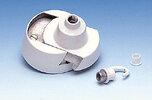 a lamp holder plug. But google still shows
 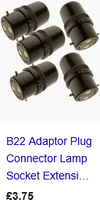 they were when I was a lad the preferred method to power a smoothing iron, as it kept the cord out of the way.
 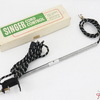 Not seen them for years either since the cordless iron.
I had not realised neutral had been classed as live for so long.
Also, how the bulb had been called a lamp for so long. Which is clearly wrong when everyone else calls the whole thing a lamp, if I asked for a bike lamp, I would get the whole thing, which would fit on the spigot. Same with gas or oil lamp in a house. And we still call it a table lamp. Can't work out why the IEE called the bulb a lamp?
Lamp holder plug - An accessory for insertion into a lamp holder for the purpose of connecting to the supply a current using appliance. Note.- the use of such plugs is deprecated.
Had to look it up:- Deprecated means a feature, code, or practice is outdated, no longer recommended for use, and planned for future removal. While it still works currently to avoid breaking things right away, developers should switch to newer alternatives. In general English, it can also mean to express strong disapproval or to belittle something.
Today I would call this
a lamp holder plug. But google still shows they were when I was a lad the preferred method to power a smoothing iron, as it kept the cord out of the way. Not seen them for years either since the cordless iron.


