Climate Change

And what is worse is that, unlike Norway, we have all but emptied the North Sea and then spaffed the revenues up the wall.

Agree that Norway have been much better with the handling of oil/gas revenues. Not so sure about North sea oil being gone, very little exploration has been done in recent years, I think at one time exploration and certain costs were tax deductible, there were certainly concessions of some sort but gradually these have all been removed and with windfall taxes etc the North Sea tax regime is one of the highest in the world.
No point spending hundreds of millions on exploration and development to pay 80% tax on any profits.
There's oil and gas there but no point in looking for it.
 
No point spending hundreds of millions on exploration and development to pay 80% tax on any profits.
There's oil and gas there but no point in looking for it.


Forget tax : there's no point looking for what is already mostly gone and, even when it was more readily recoverable, it was still many tens of times more expensive to exploit than it was, to buy it in.
 
even when it was more readily recoverable, it was still many tens of times more expensive to exploit than it was, to buy it in.

Really?, I didn't know that. Surely if that were the case every company operating in the North Sea would have operated at a huge loss and therefore not liable to any taxes?
 
Agree that Norway have been much better with the handling of oil/gas revenues. Not so sure about North sea oil being gone, very little exploration has been done in recent years, I think at one time exploration and certain costs were tax deductible, there were certainly concessions of some sort but gradually these have all been removed and with windfall taxes etc the North Sea tax regime is one of the highest in the world.
No point spending hundreds of millions on exploration and development to pay 80% tax on any profits.
There's oil and gas there but no point in looking for it.

Only relatively small amounts. The idea that there is still a huge amount left is a myth.

Norway taxes at 78% and doesn't have a problem. Because it is down to basic geology. They were lucky that their reserves are bigger than ours.
 
Really?, I didn't know that. Surely if that were the case every company operating in the North Sea would have operated at a huge loss and therefore not liable to any taxes?

You are correct. Even when oil prices slumped in the mid 1980s, North Sea was still profitable.
 
Really?, I didn't know that. Surely if that were the case every company operating in the North Sea would have operated at a huge loss and therefore not liable to any taxes?

They would have done, but for the c. 80% government subsidies in their development costs to start with.

A private company would be very brave to shoulder the cost of setting up to drill in some of the toughest seas in the world, when it all but bubbles out of the ground in the middle East.
 
They would have done, but for the c. 80% government subsidies in their development costs to start with.

A private company would be very brave to shoulder the cost of setting up to drill in some of the toughest seas in the world, when it all but bubbles out of the ground in the middle East.

Or Venezuela. ;)
 
AI tells me this, based on various sources. Pretty much echoes what's discussed on various telly progs when oil production and gas use are discussed.

What a farce.

Yes, the UK effectively buys back much of its own oil. While the UK produces significant oil from the North Sea, it is owned by private companies that export about 80% of it, due to the type of crude and a lack of domestic refining capacity. Consequently, the UK imports oil for its needs at global market prices.
  • Ownership: North Sea oil and gas are produced by private companies, often multinational or state-owned entities, not the UK government.
  • Export/Import Structure: Due to refinery capabilities, most UK-produced crude oil is exported, while the UK imports different types of oil for its specific, refined product needs.
  • Market Price: When the UK buys its own oil back (or other international crude), it pays prevailing market prices, meaning domestic production does not directly lower UK energy bills.
  • Refining Issues: UK refining capacity has declined by about 30% since 2010, increasing reliance on global, rather than domestic, finished products.
They were discussing energy prices on QT or wherever, and there is a growing acceptance that we are being lied to re what we'll pay for energy. 'Bills are coming down' we're told, or 'bills will start to come down soon' is another one. Apparently, in any discernable sense, it could be around 20 years before this actually happens, if indeed it ever does, because of contracts entered into etc.

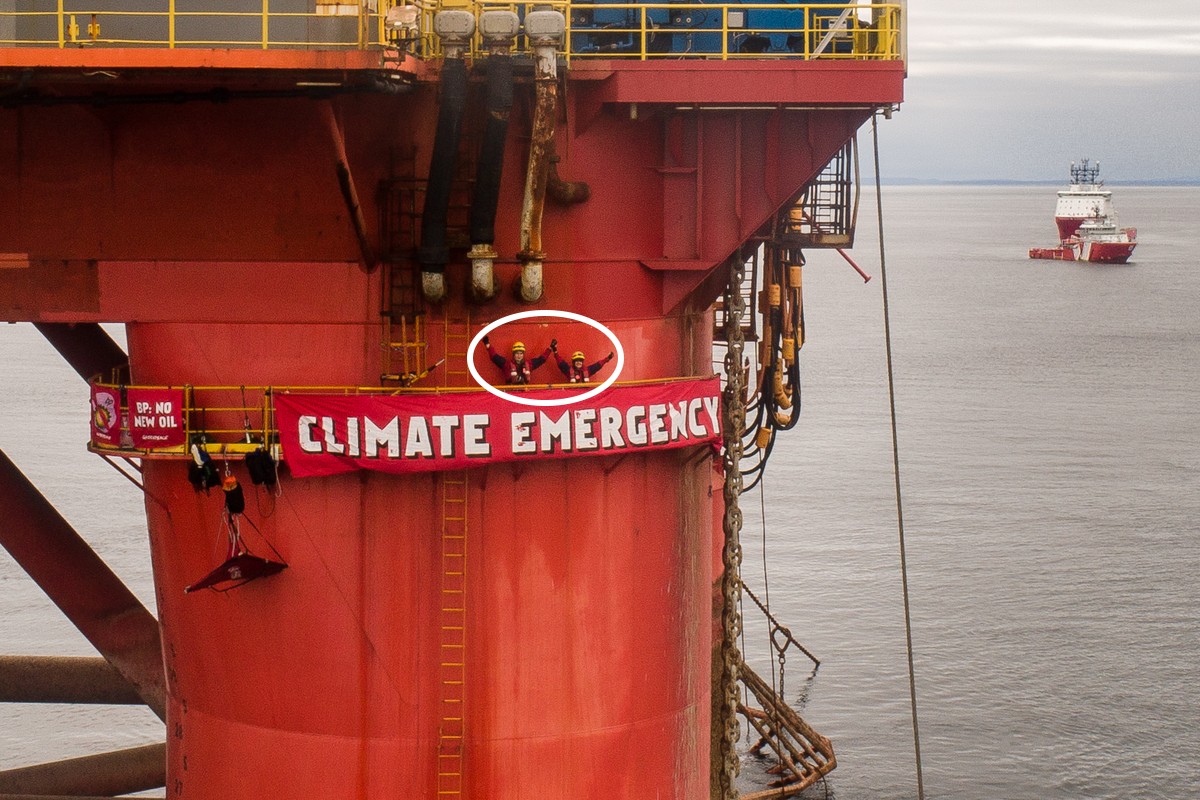
Then of course we have nutjobs like this rejoicing at the fact our home grown options around production are reduced.

 
No one really expects us to need much more oil pumped each day than we extract at the moment. For the future the industry is mostly planning on bringing in enough new Fields to keep volumes up while they run down their existing ones.

If EVs continue to improve and get cheaper as the industry expects then oil demand will drop and fewer new wells will be needed.

It's not a dying industry but it's one that is going to be smaller in the future.
 
Back
Top